
Musoma, Mara — For the youth of Musoma, the capital of Tanzania’s Mara region, the promise of industrialisation feels like a cruel joke.
Surrounded by the shuttered remains of once-thriving factories, young people say they are trapped in an economy that offers them virtually no formal employment opportunities.
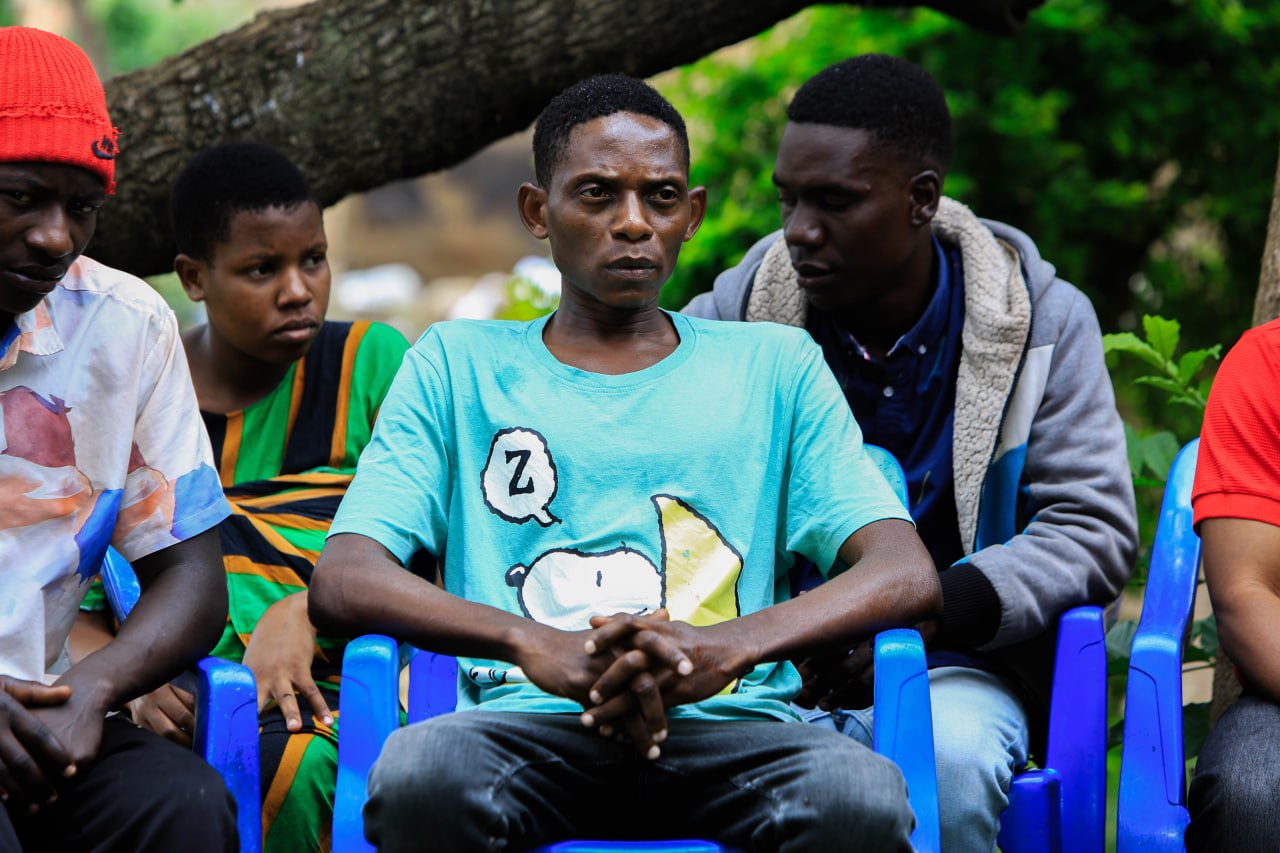
During a recent youth dialogue in Majita Road, Kaminyonge ward, participants painted a bleak picture of their economic prospects.
The session, recorded on May 1, 2026, and published on May 22, was the seventh episode of the Dira Mtaani: Vijana Wanasemaje programme, organised by The Chanzo and Twaweza East Africa.
When asked to list the economic opportunities available in their region, the youth could name only two: driving boda-bodas (motorcycle taxis) and fishing in Lake Victoria. The formal industries that once anchored the local economy have largely collapsed.
“If you look at Musoma, there are only two things a person can do,” explained one young male participant. “The first is boda-boda, the second is perhaps going to the lake. There are no other opportunities apart from those.”
Dead factories
The youth pointed specifically to the closure of major processing facilities that previously provided hundreds of jobs. They cited the collapse of the local textile mill and the shutdown of multiple fish processing factories.
“In the past, there were many factories that provided our youth with employment,” recalled one participant. “There was no factory that gave as many people jobs as the fish factory; both women and men were there. But those factories are closed up to now.”
The youth’s observations align with broader economic data from the region. According to a 2024 report by InfoNile, six out of 12 registered fish processing plants in the Lake Victoria zone are dormant, whilst the remaining six operate at less than 30 per cent capacity.

The decline is largely attributed to the severe depletion of fish stocks in Lake Victoria due to illegal fishing practices. The same report noted that fish exports plummeted from US$128 million in 2011 to just US$3.5 million by 2022, devastating the local economy and forcing factories like Prime Catch Exporters Ltd in Mara to halt operations.
Empty promises
The closure of these industries has left a vacuum that politicians frequently promise to fill, but rarely do. The youth expressed deep cynicism about the pledges made during election cycles.
READ MORE: Dreams Deferred? How Poverty and Lack of Opportunity Are Pushing Zanzibar’s Youth Out of School
“Every person who comes here, whether a councillor or a Member of Parliament, says ‘I will revive the factories,’ but there is nothing,” one frustrated participant noted.
This lack of opportunity has had severe social consequences. Participants linked the high unemployment rate directly to rising crime in their neighbourhoods.
“While [young men] have no jobs and don’t work, they do have desires,” explained a female participant. “So they wait until the time comes when people are out, and they mug them.”
The situation is exacerbated by the fact that the few available alternatives, such as the boda-boda business, are becoming oversaturated. “The boda-bodas are now more numerous than the passengers,” one youth observed bitterly.
As the Tanzanian government promotes its Development Vision 2050, the youth of Musoma struggle to see how such grand plans relate to their daily survival. When asked if they had faith that their elected leaders would improve the situation, the response was overwhelmingly negative.
READ MORE: The Party Card Hurdle: How Political Nepotism Locks Zanzibar Youth Out of Jobs
“I have no faith,” one young man stated bluntly. “My biggest thing is just to live. I cannot have faith because if I don’t see any process to help, how can I have faith? My main goal is just to live, to get something to eat, that’s all.”
The collapse of industry in the Mara region highlights a critical challenge for Tanzania’s development trajectory. Whilst national policies often focus on attracting new investment, the youth of Musoma are living amidst the ruins of past industrial efforts.