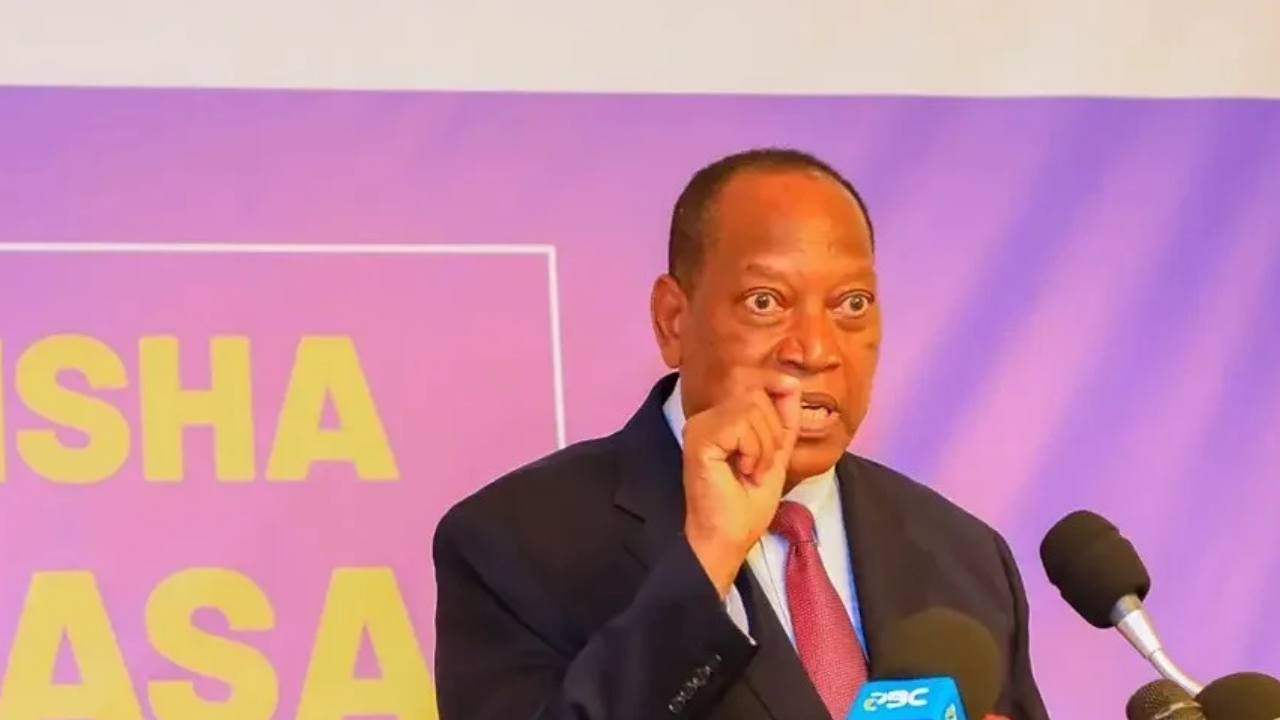

Mahonda, Zanzibar — For young job seekers in Mahonda, a village in North Unguja known for its historic sugar factory, a university degree or technical diploma is often not enough to secure employment.
During a recent youth dialogue, participants revealed that the most critical qualification for getting a job—especially in the public sector—is holding a membership card for the ruling Chama Cha Mapinduzi (CCM) party.
The discussion, recorded on April 12, 2026, and published on May 7, was the sixth episode of the “Dira Mtaani: Vijana Wanasemaje” programme.
Organised by The Chanzo in partnership with Twaweza East Africa, the session exposed how political nepotism and family affiliations are systematically locking qualified youth out of the workforce.
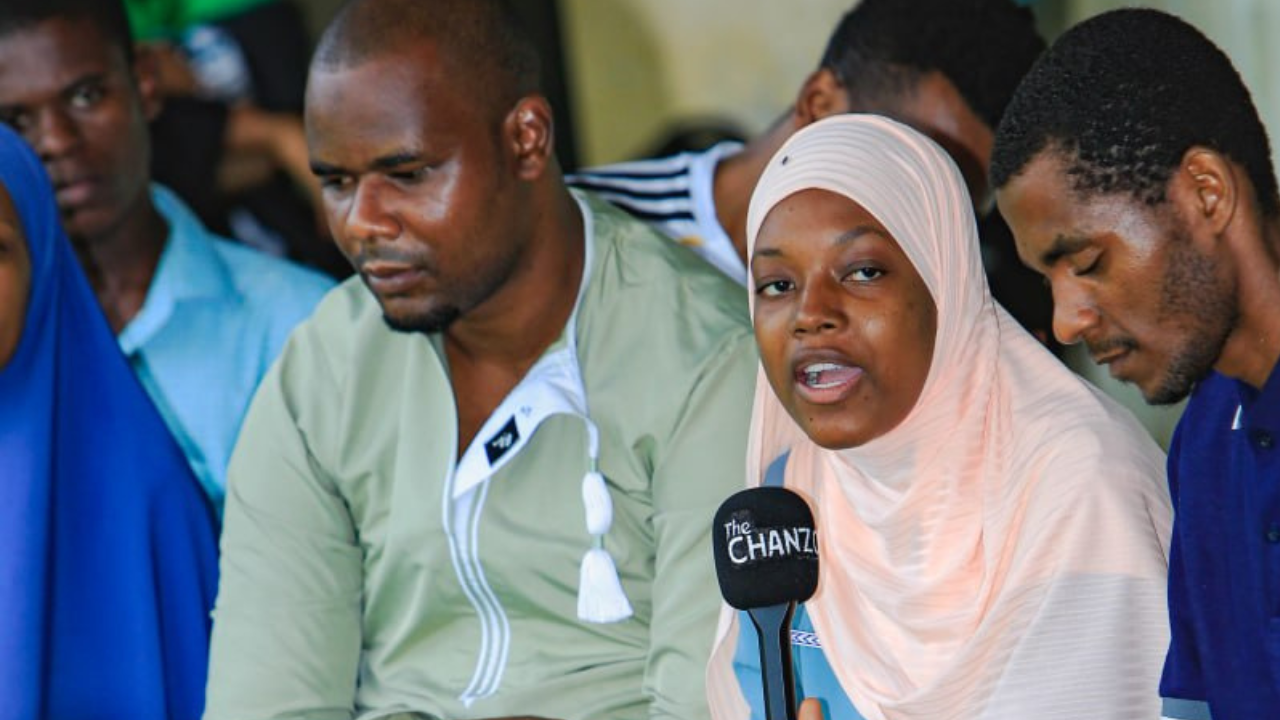
Participants described a hiring system where local leaders, known as Shehas, act as political gatekeepers. When a young person applies for a job, the final decision often rests on a background check conducted by these local officials to determine the applicant’s political loyalty.
READ MORE: “We Keep Our Dreams Secret”: How Corruption and Nepotism Stifle Youth Ambition in Zanzibar
“Even if you go to an institution with your certificates, the final judge who is asked is the Sheha of the area,” explained one participant. “They ask, ‘Do you know this youth?’ If the answer is ‘They are not one of us,’ that person is crossed off the list.”
Family ties
The discrimination extends beyond the individual applicants to their families. Youth reported that they are frequently denied opportunities simply because their parents are known to support opposition parties.
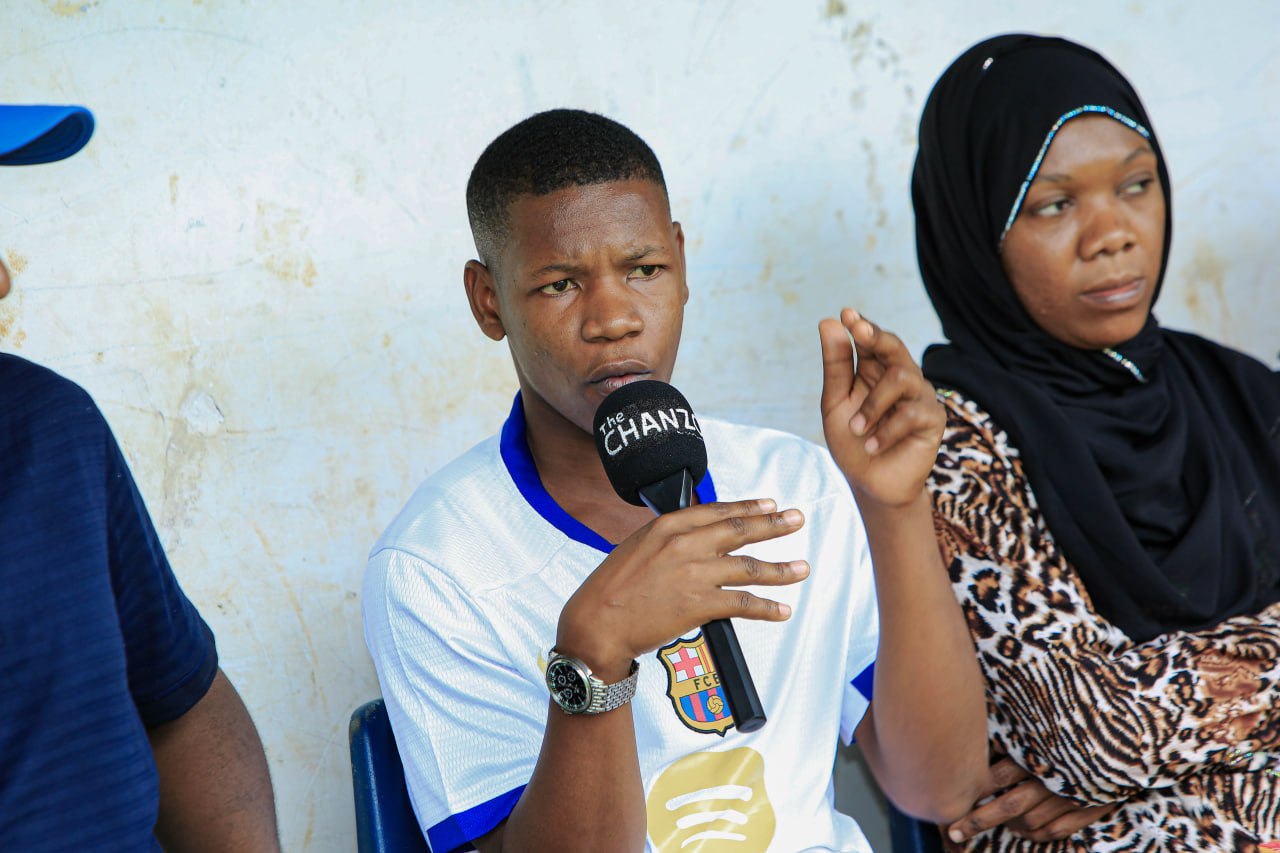
“You can be educated, have your degree or diploma, but just because your parents are perhaps aligned with a certain opposition party, you have no chance,” noted Ashraf, a local youth.
“Even if the person from the ruling party who is being hired has less education than you, they are considered first because of the party.”
This political profiling is so pervasive that even a surname can be a disqualifier. A participant named Amina Hassan Kombo shared that her family name alone is enough to flag her as an opposition supporter.
READ MORE: “Schooled but Not Educated”: Zanzibar Youth Grapple with Declining Discipline and Moral Decay
“If you go there and say your name is Kombo, they say, ‘Ah, this one’s father is from that other side, don’t give her anything, don’t even touch her,’” she recounted. The situation is further complicated by regional prejudices within the archipelago.
Abdul Aziz pointed out that youth whose parents migrated from Pemba—an island traditionally viewed as an opposition stronghold—are automatically assumed to be opposition supporters, regardless of their actual political involvement.
Authorities in Zanzibar have consistently and strongly rejected this accusation, telling The Chanzo in 2023, for instance, that the process of recruitment for government jobs is entirely meritorious.
The relevant minister even asked anyone who has the evidence that they were discriminated against purely because of their political affiliations or their parents’ to see him and present such evidence to him.
Systemic exclusion
Authorities’ denials notwithstanding, the youth’s testimonies align very much with broader concerns about political discrimination in Zanzibar.
READ MORE: Dira Mtaani: Tanzania’s Youth at a Crossroads—Legitimate Hustle or Illicit Shortcut?
While both national and Zanzibar’s employment laws prohibit discrimination, human rights organisations and opposition parties have consistently highlighted that political affiliation often dictates access to government resources and employment, particularly in Zanzibar.
“If you don’t have a card, you won’t break through in government jobs,” stated Muhsin, summarising the stark reality faced by his peers.
This systemic exclusion has profound implications for the community’s development. Participants noted that many young people are dropping out of school, disillusioned by the prospect of studying for years only to be denied work because of their political background.
“People say, ‘Even if you study, there is nothing you will get,’” one participant observed. “You can finish university and not get a job because jobs come by looking at who you are and who your father is.”