
Dar es Salaam – Authorities and pro-government figures have issued stark warnings against planned July 7 demonstrations, with senior officials and civilian allies accusing organisers of plotting violent acts, including arson and attacks on security forces, while vowing to use unprecedented force to maintain order.
The planned demonstrations, coordinated primarily through social media platforms, demand accountability for post-election violence, the release of political prisoners, and sweeping political reforms.
The choice of July 7, known locally as Saba Saba Day, carries historical and symbolic weight. The national public holiday commemorates the 1954 founding of the Tanganyika African National Union (TANU), the movement that led the nation to independence.
Today, however, the day is most famously associated with the Dar es Salaam International Trade Fair (DITF), a massive, weeks-long commercial event held at the Julius Nyerere Trade Fair Grounds in Dar es Salaam.
Nature and demands
The movement driving the July 7 mobilisation appears notably not party-led, operating without a central command structure. But far from being a spontaneous reaction to a single event, the protests are the latest expression of a movement whose grievance base has been accumulating since October 29, 2025 and even before it.
The October election of October 29, which saw President Samia declared the winner with nearly 98 per cent of the vote, was widely characterised as falling short of democratic standards by several international and regional observation missions.
The government’s response to the demonstrations that accompanied the election produced a political rupture that has not closed. That response included the use of live ammunition, enforced disappearances, and a ten-day internet blackout.
The subsequent Commission of Inquiry, chaired by retired Chief Justice Mohamed Chande Othman, documented 518 deaths across 11 regions but named no senior officials responsible and produced no prosecutorial referrals.
Adding to the political tension is the continued imprisonment of Tundu Lissu, the leader of the opposition party CHADEMA. Lissu was arrested in April 2025 following a peaceful rally advocating electoral reform and remains detained on treason charges carrying the death penalty, having been imprisoned for over 14 months without conviction.
Beyond political accountability, the protest movement is also driven by broader grievances. Activists point to unresolved tensions between Tanganyika and Zanzibar, as well as economic challenges including high unemployment and the rising cost of living, which disproportionately affect the nation’s youth.
State reactions
The government’s reaction to the planned protests has been characterised by stern warnings and accusations of criminal intent.
READ MORE: Prof Tibaijuka Offers Insider Perspective on Election Crisis and Political Reform
Authorities have consistently framed the online coordination of the protests as criminal activity, conducting systematic monitoring of WhatsApp groups, TikTok content, and other social media platforms since mid-November 2025.
Speaking in Dodoma on June 22, for instance, Minister of Home Affairs Patrobas Katambi warned against those using political platforms to incite hatred and violence.
“There are people on the internet, but also on political platforms and in various areas, who are boasting and announcing themselves, making statements of incitement and discrimination against the union of the United Republic of Tanzania,” Katambi stated.
He urged citizens to ignore those who “fill them with hate, incite them, but also mobilise them to commit crimes,” warning that such actions would harm the nation politically, economically, and culturally.
The police force has taken an even harder line. In a statement on June 20, Police Spokesperson David Misime claimed that the organisers had shifted their focus from peaceful demonstrations to planning criminal acts.
“Among these acts are mobilising to block roads, burning schools to cause panic among parents and guardians, attacking citizens, beheading people and killing some people, destroying public and private property,” Misime alleged.
He emphasised that there is “no right to mobilise to commit criminal acts” and that police would continue monitoring online coordination activities.
Regional authorities have also signalled their readiness to deploy significant force. Dar es Salaam Regional Commissioner Albert Chalamila warned local leaders on June 15 about attempts to “bring chaos” to the region.
“The force that will continue to be used in protecting peace perhaps may not have been seen or experienced in the entire period,” Chalamila warned, adding that any previous use of force was merely a “trial.”
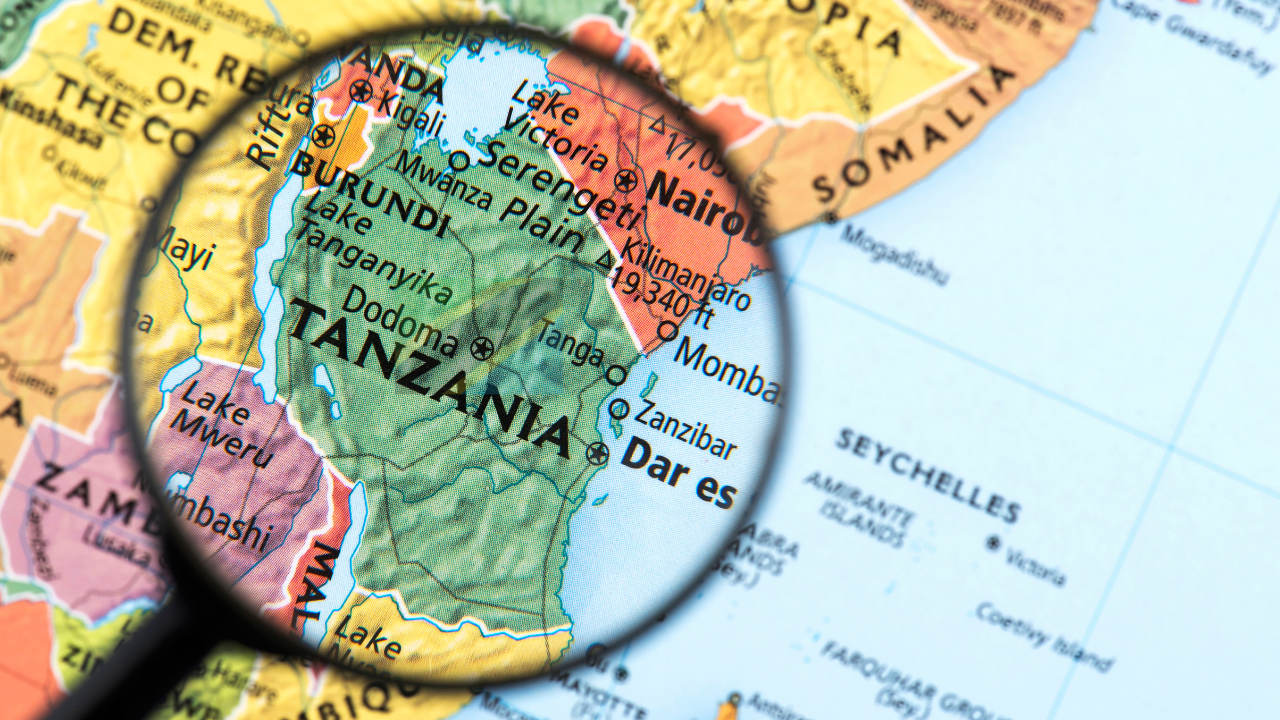
He stressed the strategic importance of Dar es Salaam, noting that the region’s port and economic significance made it critical to maintain security.
International pressure
The planned protests coincide with mounting international pressure, particularly from the United States and the European Union.
On May 20, 2026, US Senators Jeanne Shaheen and Ted Cruz introduced the bipartisan Reassessing the United States-Tanzania Bilateral Relationship Act.
The legislation, which advanced on June 17 at the United States Senate Foreign Relations Committee, mandates a comprehensive review of all US engagement with the country, authorises visa bans and asset-blocking sanctions against individuals responsible for human rights abuses, and suspends US security and development assistance until meaningful democratic reforms are certified.
Simultaneously, on June 18, 2026, Members of the European Parliament (MEPs) adopted a resolution demanding the European Commission withdraw its draft implementing decision for a €156 million annual action plan in favour of the East African nation.
The resolution, which represents a major escalation in Tanzania’s ongoing foreign affairs crisis, cited the government’s failure to address grave concerns regarding the violent suppression of demonstrations following the disputed October 29, 2025 elections.
Deterrence measures
The government’s primary deterrence measures remain pre-emptive arrests and digital surveillance. Since mid-November 2025, police have confirmed the arrests of at least ten activists specifically for online posts connected to protest planning.
The planned protests threaten to overshadow the traditional Saba Saba Day celebrations and trade fair activities, particularly in Dar es Salaam, the country’s economic hub.
Mr Chalamila warned that if the region were to close due to unrest, food supplies would be disrupted and economic activity would cease, potentially triggering food insecurity and political instability.
The planned protests are scheduled to occur on a day traditionally associated with national celebrations and trade fair activities in Dar es Salaam. The extent to which the demonstrations will affect these activities remains to be determined.