
Dar es Salaam – Bus and truck drivers in Tanzania have returned to work after a two-day stoppage, following the government’s suspension of the controversial 15-point driving-licence system and talks between driver leaders and Prime Minister Mwigulu Nchemba.
The immediate strike has ended, but the agreement leaves the underlying disputes over road enforcement, vehicle owners’ obligations and drivers’ employment conditions for a promised review process.
The strike began on September 29 and spread from Dar es Salaam to Dodoma, Mbeya, Songwe, Mwanza, Moshi and Tarime, interrupting passenger travel and freight movement on roads that connect the port city to the rest of the country and neighbouring states.
By the evening of September 30, leaders representing bus and truck drivers had agreed after talks with the prime minister to resume services while discussions continued.
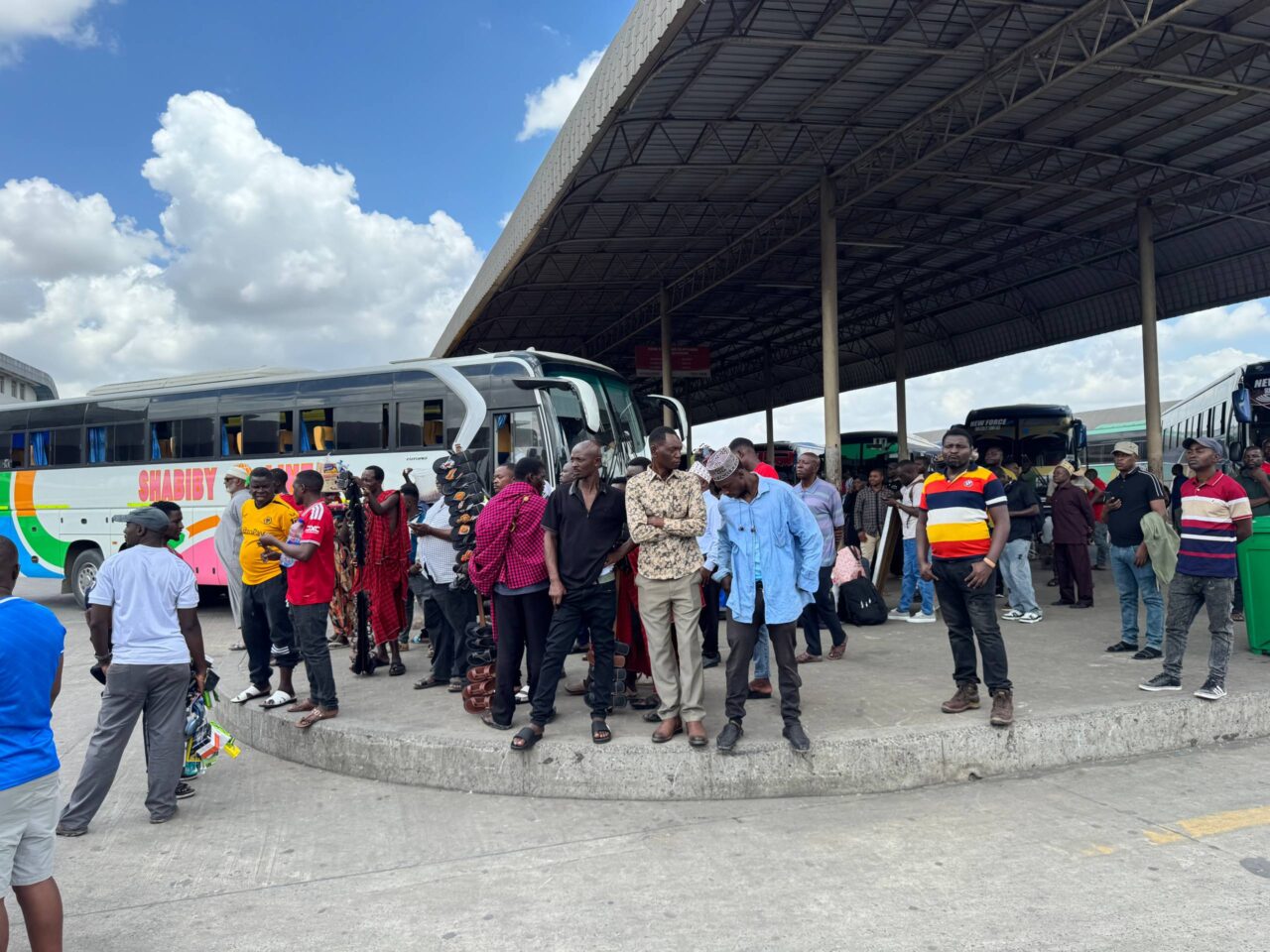
At the Magufuli Bus Terminal in Mbezi, the crisis first appeared as stillness. On September 29, The Chanzo found buses parked across the terminal and near its entrances while drivers gathered in groups, even as some ticket agents continued selling seats and passengers who had already paid waited without a departure time.
For many passengers, the delay was not merely an inconvenience. We spoke to people travelling to funerals, businesses and supplementary examinations, as well as traders carrying goods to sell; on the second day, some said their only travel money had been tied up in tickets and that they could not afford food, lodging or the journey back home.
READ MORE: Drivers’ Strike Disrupts Long-Distance Travel Across Tanzania
Shabaan Manga, travelling from Dar es Salaam to Kaliua in Tabora, said passengers had been taken off their bus in Dodoma after paying to travel. Martha Mussa, travelling from Morogoro to Singida, said passengers had been told to wait five minutes before being left stranded, adding: “Some are sick, others have children.”
More than 15 points
The immediate trigger was the Road Traffic (Drivers’ License Point System) (Amendment) Regulations, 2025. Government Notice No. 420 assigns 15 points to a licence when it is issued and requires deductions according to an offence’s seriousness, with the schedule listing one- and three-point offences including defective tyres, speeding, drink-driving, overtaking violations and operating without insurance.
Drivers did not dispute the need for safer roads. Their concern was that losing all points could suspend the licence on which their income depends, while some listed offences, including vehicle insurance and mechanical condition, may concern an owner’s decisions as much as a driver’s conduct.
Adam Marunda, a driver interviewed during the stoppage, said a three-day Dar es Salaam-Kigoma trip could expose a driver to repeated stops and deductions. He also alleged that some traffic officers demanded money to avert suspension. Other drivers also questioned the scope for discretionary enforcement.
Joseph Mwita, a driver in Dodoma, said enforcement had to account for road conditions and frequent checkpoints. “Every law that is made is for the driver,” he said, arguing that poor roads and infrastructure also shape the risks drivers face.
Before the strike, Home Affairs Minister Patrobas Katambi said the points system was a trial intended to improve road safety, integrate police and Tanzania Revenue Authority systems, and educate road users.
READ MORE: Development From Below? This Is the Story of a Daladala Co-op in Dar es Salaam
He said no punishment would be imposed during the trial, but drivers and transport associations said they had already experienced fines, vehicle seizures and licence suspensions.
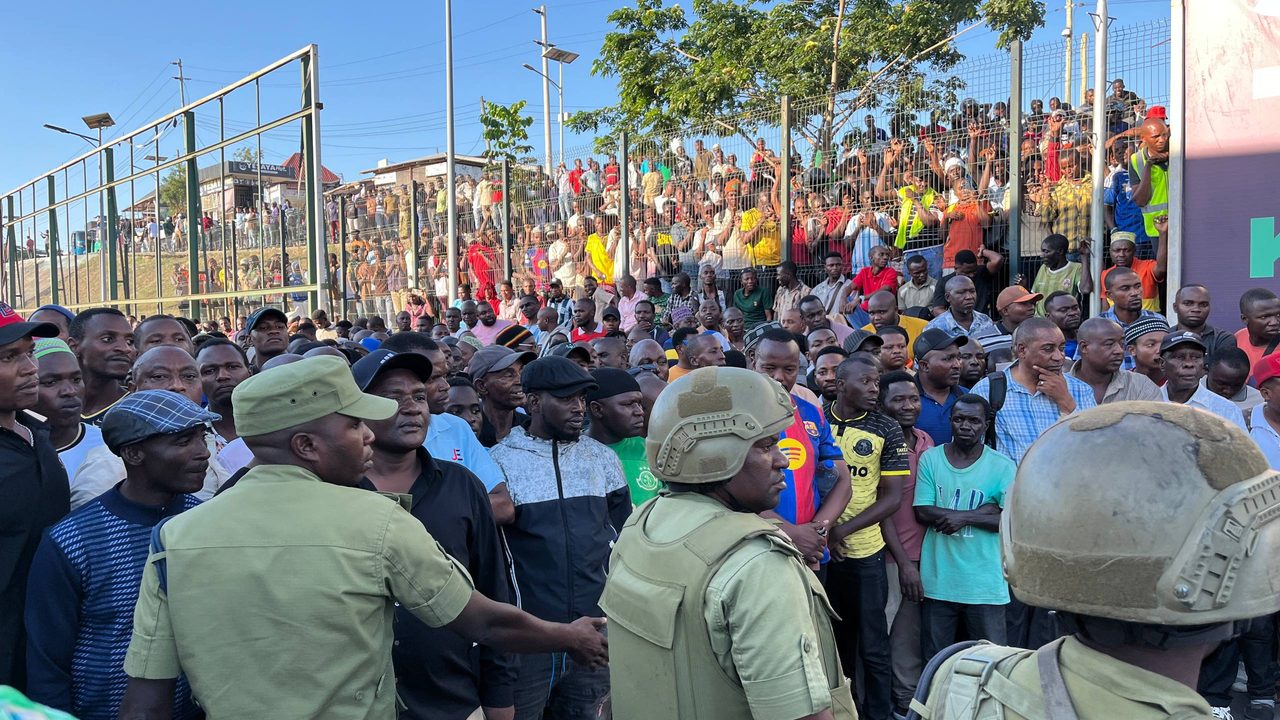
The government initially coupled a warning against blocking or intimidating drivers with dialogue. Ubungo District Commissioner Albert Msando told operators who had sold tickets despite halted journeys that they had an obligation to inform passengers, while Katambi came to the terminal on September 29 and said he had come to hear drivers directly.
A dispute with a history
But the dispute’s force cannot be understood through the points rule alone. Studies have traced how informal transport workers in Dar es Salaam organised from the mid-1990s to seek rights from vehicle owners, challenging the assumption that precarious workers cannot build collective power.
Michaela Collord’s history of transport-worker organising shows that the nationwide strikes of April and May 2015 were triggered by a retraining requirement for commercial drivers, but were also driven by deeper demands for contracts, regular pay, leave, healthcare and social protection.
The 2015 mobilisation led to the creation of the Tanzania Drivers Workers Union, or TADWU, but it did not end the workers’ disputes with employers and regulators.
Collord records that drivers and conductors had earlier secured a collective agreement addressing pay, working hours and leave, and that the transport authority later required operators to register employment contracts before licensing.
Those gains were not consistently enforced, according to her account, while the contract requirement was eventually removed.
That history matters because Tanzania’s laws require employers to provide written particulars stating, among other things, an employee’s job, hours, remuneration and benefits.
It is unclear how many drivers currently lack contracts in Tanzania, but the law frames the longstanding demand that employers, not only individual drivers, carry defined responsibilities.
There are also examples of workers trying to build alternatives. In a 2024 report on a Dar es Salaam daladala co-operative, Collord described an association that used collective income to employ members on written contracts, pay salaries and provide leave and health-insurance contributions.
The model does not describe the wider sector, but it illustrates why the question of who owns and controls vehicles remains central to drivers’ accounts of safety and welfare.
Publishing in The Chanzo, educator and author Richard Mabala argued that the points system was the flashpoint rather than the whole dispute.
READ MORE: Twelve Killed in Singida Crash as Fatal Collisions Renew Calls for Safer Roads
He reasons that the test of the government’s response would be whether it becomes genuine negotiation involving drivers, owners and regulators, rather than a crisis intervention followed by unfulfilled promises.
Strike over, dispute remains
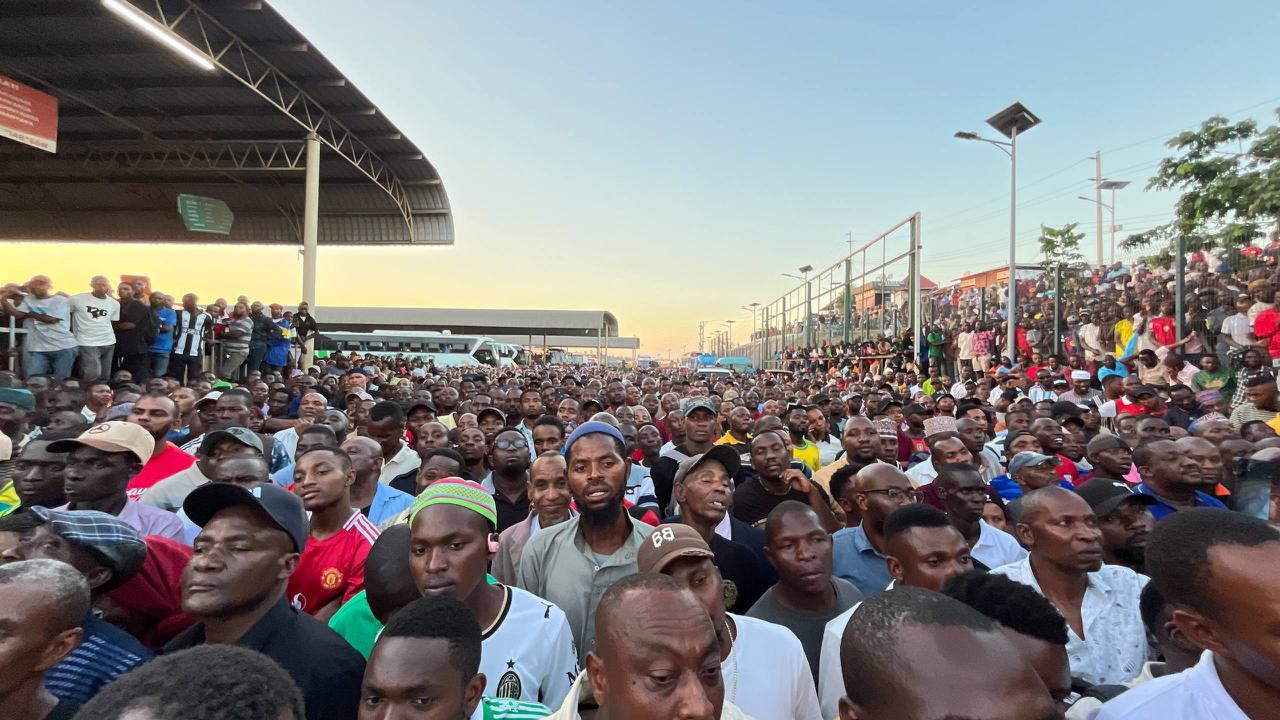
On the morning of September 30, the terminal remained crowded and uncertain. The Chanzo found passengers waiting as individual buses began leaving, at first sparsely and sometimes empty, then in greater numbers as companies added vehicles to clear two days of backlog; some operators prioritised passengers who had been stranded since the first day.
Later that day, drivers’ leaders met Prime Minister Nchemba at the Prime Minister’s Office in Oysterbay. Katambi had already directed that the points system be suspended for a comprehensive assessment with drivers, vehicle owners and their representatives.
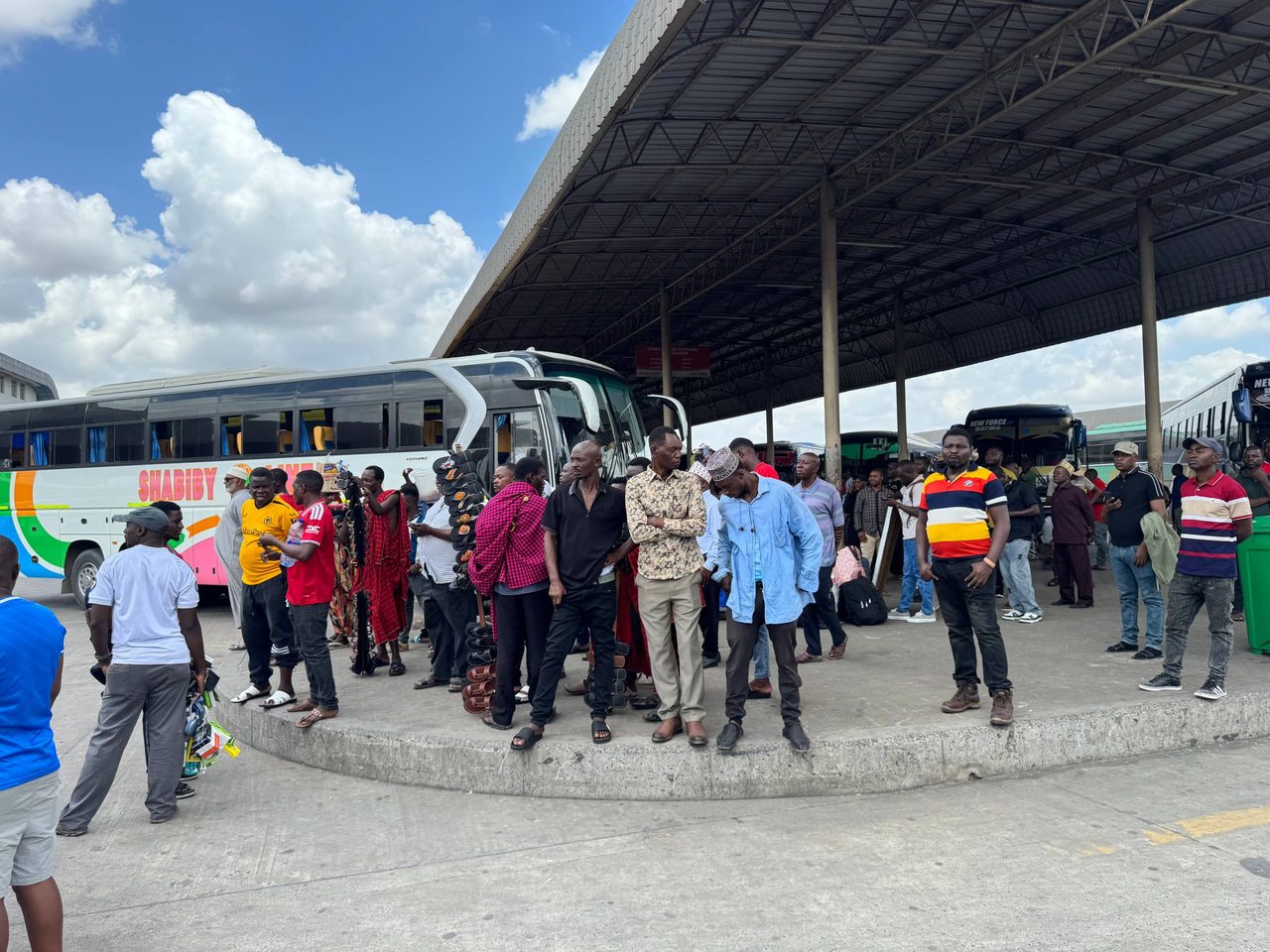
The parties agreed to end the stoppage and resume passenger and cargo services while the government considered the complaints through established procedures. The government requested 14 days for the wider process, with the review starting on October 1.
By Thursday, October 1, the nationwide work stoppage was officially over, and long-distance journeys had resumed, although the return was initially uneven as operators cleared the backlog.
READ MORE: Tanzanian Bolt Drivers March to Company Offices Protesting Charges and Customer Discounts
The settlement suspended a contested system and opened a review; it did not, however, settle the questions drivers raised about owner liability, enforcement discretion, road conditions and formal employment.
For passengers, the episode showed how quickly a transport dispute becomes a food, shelter, education, trade and family emergency.
For the drivers who stopped work, it was also a demonstration of the collective leverage that workers in an informal and fragmented sector can still exercise when the vehicles on which the country depends do not move.
Ibrahim Mgaza, Holyness Mbise and Atukuzwe Stefano are The Chanzo’s journalists based in Dar es Salaam.