
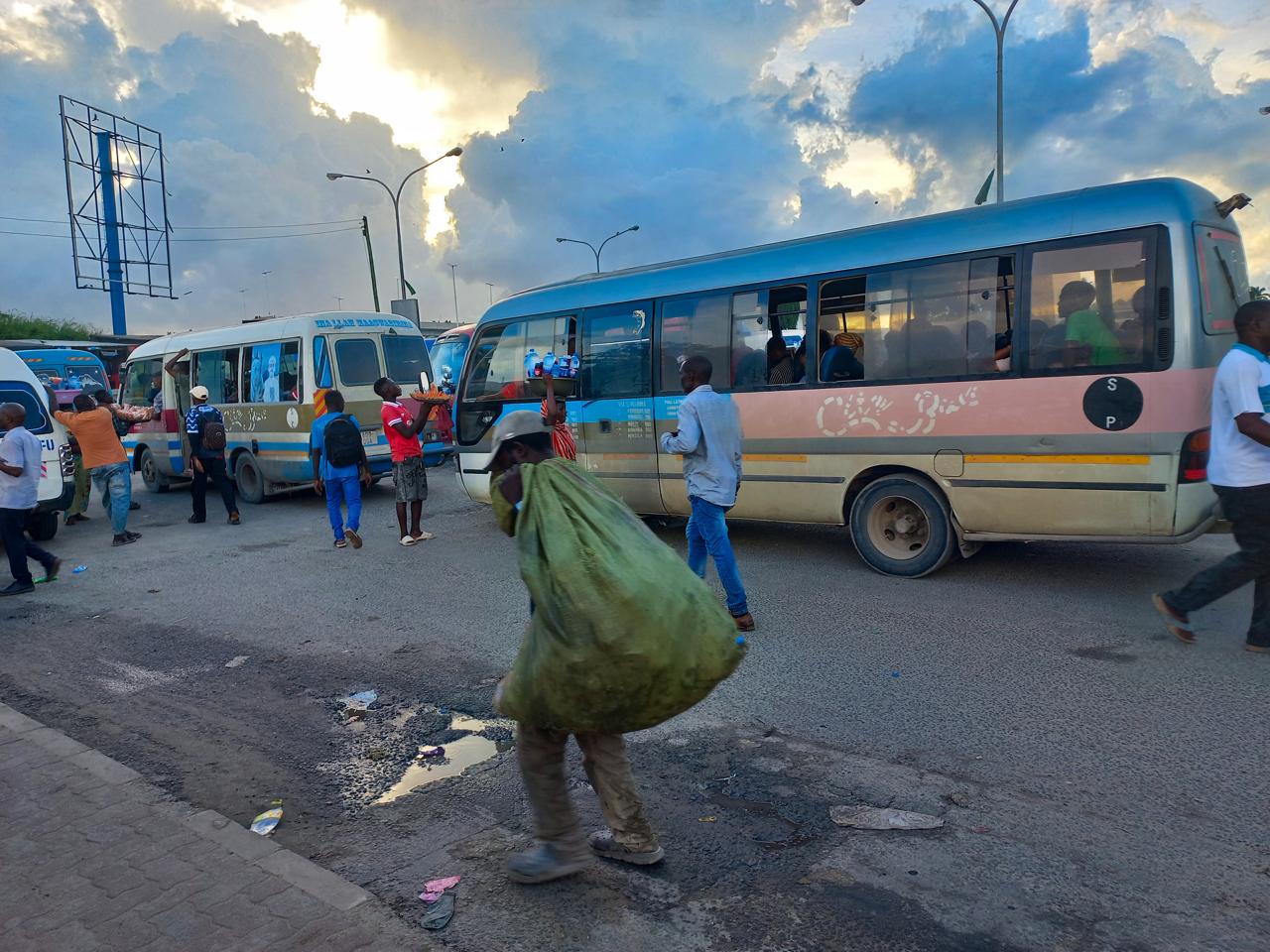
Dar es Salaam – At 11 a.m., the sun is already beating down on Mshikamano Street in Mbezi Louis, Dar es Salaam. Among mixed rubbish, Dunstan Mazinge, 29, sorts through discarded plastic bottles, looking for those he can sell.
“I don’t usually pick up the black ones. They don’t pay,” he says.
Mazinge concentrates mainly on clear polyethene terephthalate (PET) bottles, commonly used for beverages. He also encounters harder plastics made from high-density polyethene (HDPE), used to make buckets, water containers and chairs, although he finds them less frequently.
Some HDPE plastics can fetch higher prices per kilogramme than PET. But for Mazinge, what matters is how much a material is worth and whether he can find a buyer.
His choices reveal a less visible side of Tanzania’s plastic waste problem: the market does not place equal value on all discarded plastics. For people who earn their living collecting waste, that difference determines what they pick up and what they leave behind.
Zuberi Shekazi, 53, buys plastic from waste pickers such as Mazinge and resells it to larger buyers.
“If I sell a kilogramme of clear plastic for 700 shillings (about US$0.27), the black ones may fetch only 300 shillings (about US$0.11). You can have a large load, but at the end of the day you may not see the money,” he says.
The difference in price reflects the difficulties of recycling certain materials.
Henry Kazula, coordinator of the Tanzania Recyclers Association (TARA), says clear PET bottles can be turned into a wider range of products than coloured ones.
“The main reason is that the colouring chemicals in those bottles cannot easily be removed through conventional recycling processes. This makes clear PET more valuable to recyclers because it does not require as much processing,” he explains.
READ MORE: Why Tanzania Should Demand a Strong Global Plastics Treaty
Shekazi says some types of plastic are rejected by factories, although he does not know all the reasons. At times, it takes him more than a month to accumulate a tonne of material, as collectors compete for the plastics that offer better returns.
“There are now many of us doing this work, and we have to compete for the plastics that fetch good prices on the streets,” he says.
Ramadhani Kamote, manager of Cheng Xin Investment Co. Ltd., says his factory buys PET at between 500 and 600 shillings per kilogramme (about US$0.19–0.23), although prices sometimes fall to 200 shillings (about US$0.08).
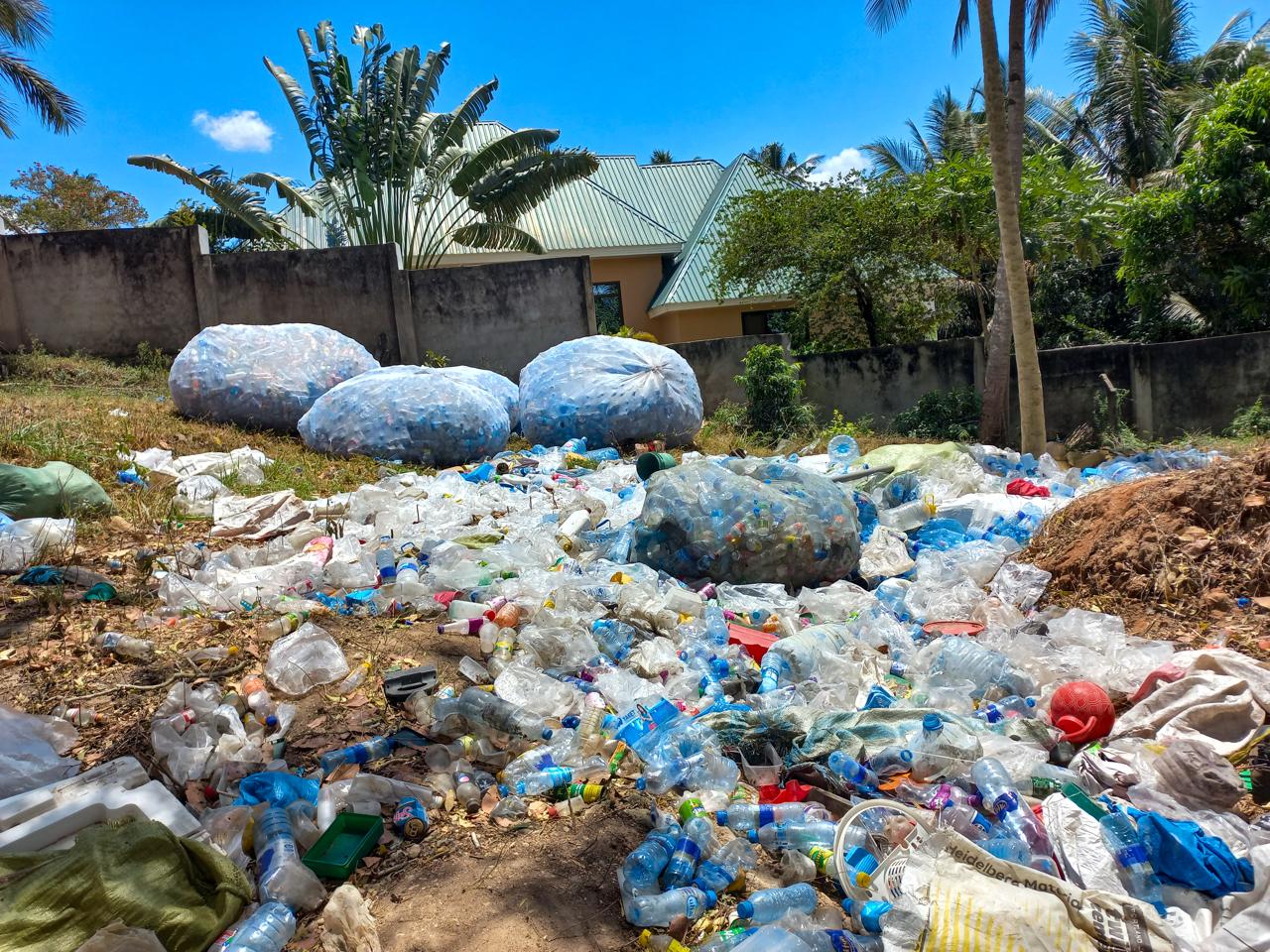
“It depends on the season. During hot periods, there is more plastic available, and prices can be lower. During colder periods, bottles may become scarce, so prices can rise,” he says.
The factory processes different types of plastic, including coloured ones, and sells the processed materials to manufacturers in Tanzania and abroad. Kamote estimates that it handles approximately 150 tonnes of plastic each month.
But being recyclable does not mean that someone will collect a particular type of plastic. If its market price is too low, collectors may not earn enough to make the work worthwhile. As a result, some plastic can remain in the waste even when it could technically be recycled.
The wider cost of plastic waste
The consequences extend beyond the informal recycling market.
According to an assessment by the International Union for Conservation of Nature (IUCN), Tanzania generated an estimated 315,000 tonnes of plastic waste in 2018.
Only 34 per cent was estimated to have been collected, while approximately 29,000 tonnes were estimated to have leaked into the marine environment, including rivers and lakes.
For residents of Dar es Salaam, the effects are part of everyday life.
Rashida Awadhi, a resident and food vendor in Kimara Temboni, says discarded plastic containers block drainage channels and contribute to flooding during the rainy season.
READ MORE: Plastic Waste Pickers: The Shunned and Scorned Environmental Warriors of Tanzania
“When the rainy season comes, you wonder where all these plastic containers have come from. Water floods everywhere because the drains are blocked. They do not only cause problems for our businesses; customers also stay away when they see the dirty surroundings,” she says.
At Msasani Beach, popularly known as Beachmavi, visitor Reinhard Kidali says plastic waste damages the beach environment and raises concerns about the safety of children visiting with their families.
“You can come here with your family and find all kinds of rubbish, especially plastic. You start wondering where it comes from and whether you have brought your children to a place that is safe for their health,” he says.
A 2023 World Bank study under its PROBLUE programme estimated that plastic pollution in Dar es Salaam’s coastal areas caused US$10.33 million in economic losses in 2019, with tourism accounting for more than half.
The study put health-related costs at US$2.2 million and estimated that plastic pollution contributed to 41 premature deaths, based on an assumed 2 per cent share of deaths associated with air pollution, unsafe water and sanitation.
Abdi Khalifa, an EPR project coordinator at the Human Dignity and Environmental Care Foundation (HUDEFO), says the problem goes beyond plastics that have little market value.
“The problem is not just plastic that has no market value. It is the gap between the amount of plastic entering use every year and the capacity of the system to collect it, recycle it and return it to production,” he says.
A 2025 report by Tanzania’s Controller and Auditor General (CAG), examining the implementation of recommendations on plastic waste pollution, found that approximately 25 per cent of the recommendations had not been implemented.
It called on the Vice-President’s Office, local government authorities and the National Environment Management Council (NEMC) to strengthen implementation and monitoring.
Who is responsible?
Public authorities have a role in waste management, but companies that put plastic packaging on the market also have responsibilities after their products have been used.
READ MORE: Tanzania, Norway Deepen Marine Research Partnership Ahead of COP12
Regulation 29 of Tanzania’s Environmental Management (Prohibition of Plastic Carrier Bags and Plastic Bottle Cap Seals) Regulations, 2022, requires manufacturers or suppliers of products packaged in plastic bottles to establish, operate or participate in systems for collecting used bottles for recycling or disposal.
The regulation also states that consumers should not be charged an additional fee for this collection service.
However, this requirement to collect used bottles is not the same as a comprehensive extended producer responsibility (EPR) system.
EPR is an approach that makes companies responsible for managing the waste generated by their products after consumers have used them. Depending on how the system is designed, companies may have to pay for or organise the collection, sorting and recycling of their packaging.
Luhuvilo Mwamila, NEMC’s enforcement manager, says the existing system has weaknesses in tracking how much plastic each producer puts on the market and how much is subsequently collected or processed.
“A stronger producer-responsibility system should make clear how much each producer puts on the market, how much they are required to collect, who pays for collection and recycling, and how compliance with these obligations is verified,” she says.
For waste pickers, the question of who pays for collection is directly linked to their income.
Tina Mfanga of the Dar es Salaam Waste Pickers Network (MTAWADA) says collectors need a reliable system that ensures they are paid for recovering products placed on the market by manufacturers.
“But it is also very important for manufacturers to establish facilities for recycling the products they produce, so that what they put on the market can actually be recycled,” she says.
Without dependable arrangements, waste pickers remain exposed to fluctuating prices and the risk of collecting materials that buyers may not want.
Limits of collection
In Tanzania’s PET market, PETpro is one example of a voluntary initiative supporting the collection of discarded plastic bottles.
READ MORE: Your Playlist Has a Carbon Bill
Established in 2022, the programme has provided funds to collectors to buy coloured PET bottles and transport them to recycling facilities, according to a HUDEFO assessment of EPR.
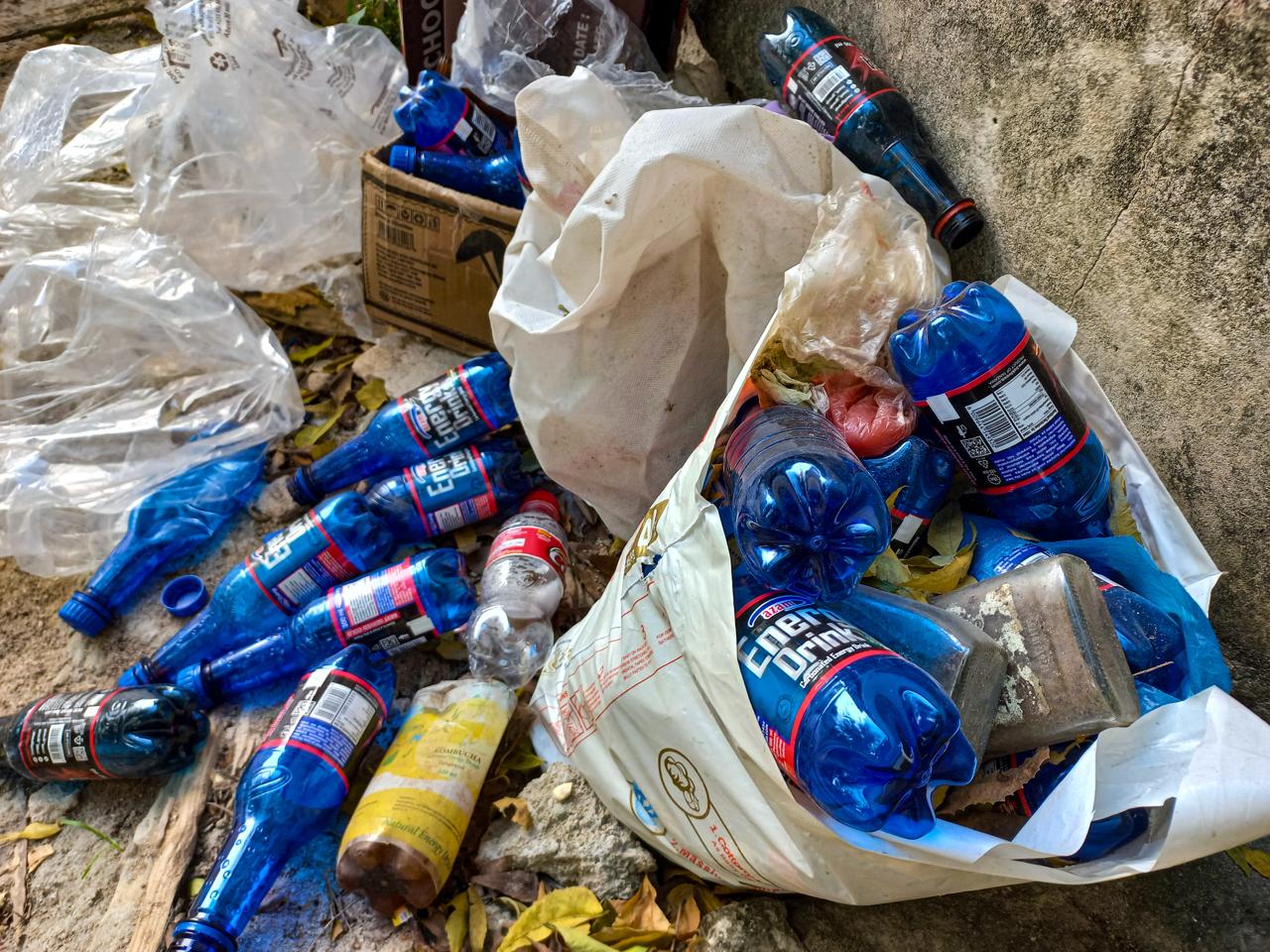
Nicholaus Ambwene, PETpro’s coordinator, says he believes manufacturers should remain responsible for their products after they are sold.
“It is the responsibility of manufacturers to collect and recycle PET bottles after use,” he says.
However, the programme does not amount to a comprehensive EPR system, which would establish broader producer responsibilities, including financing arrangements, collection targets and accountability mechanisms.
A 2026 assessment by the United Nations Industrial Development Organisation (UNIDO), using information supplied by PETpro, reported that the programme collected 21,000 tonnes of coloured PET bottles between February and March 2025.
It also reported that 45,000 tonnes of clear PET bottles were collected between 2022 and 2025, of which 32,000 tonnes were recycled.
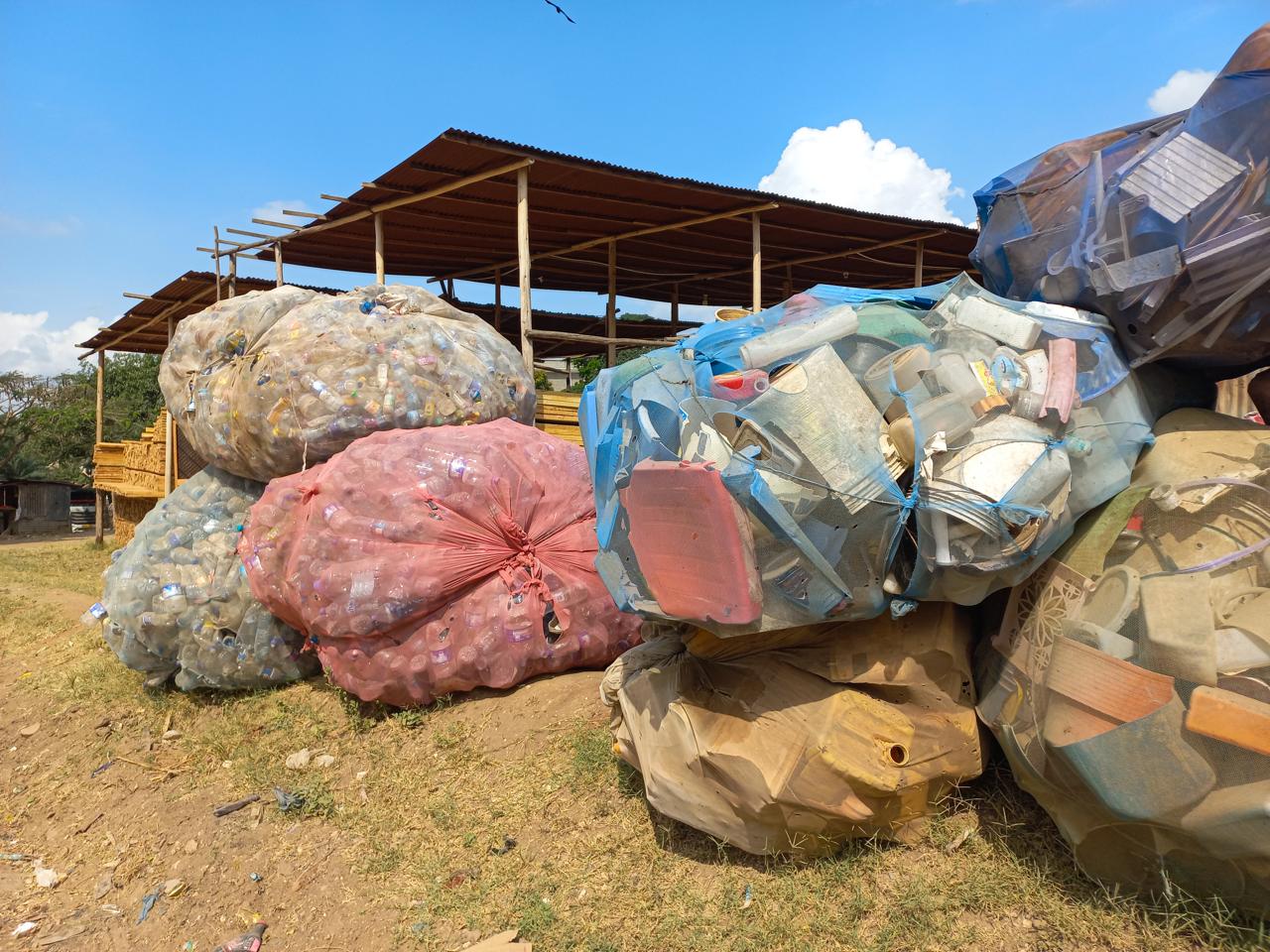
Bottles that were still at the factory when the information was collected were excluded. UNIDO had not independently verified all the information supplied by PETpro.
The assessment estimated that PETpro’s eight members collectively represented between 80 and 85 per cent of Tanzania’s beverage PET bottle market in 2025. They include Nyanza Bottling, Coca-Cola Kwanza, Bonite Bottlers, SBC Pepsi, Sayona Drinks, Cool Blue, A-One Products & Bottles Ltd–MeTL and SilAfrica Ltd.
But a company’s share of the market does not automatically show how much of the plastic waste generated by its products it collects.
A study published in July 2026 by researchers from Norway’s NORCE research institute and the University of Dar es Salaam analysed branded plastic litter collected during 69 clean-up events along the Tanzanian shores of Lakes Victoria, Tanganyika and Nyasa in 2023.
READ MORE: Floods Expose Tanzania’s Urban Planning Failures
Published in Environmental Science and Pollution Research, the study found that Jambo Group of Companies, Bakhresa Food Products Ltd and MeTL Group were associated with 52.9 per cent of the branded plastic waste examined.
In total, 29 manufacturers were associated with 95.1 per cent of the identified waste.
The findings identify the manufacturers whose brands appeared in the sampled waste. They do not, by themselves, establish how much each company subsequently collected or recycled.
For Khalifa of HUDEFO, the central question is whether recycling keeps pace with production.
“The fundamental question is: are manufacturers processing the waste they generate, and are they doing so at a rate that matches the amount they produce? This is where I see a weakness,” he says.
What manufacturers say
Bakhresa Group, through its Azam EPR Scheme, is operating a pilot plastic collection programme in five districts of Dar es Salaam.
Joseph Ouma, the scheme’s environmental coordinator, says the programme has increased its collection volumes over the past two years.
“The bottles we managed to collect between September 2024 and September 2025 amounted to 100 tonnes. From September 2025 to now [September 28, 2026], as we approach the next assessment, we have already seen the figure increase to 130 tonnes,” he says.
He explains that the initiative focuses on coloured PET bottles following emphasis from regulatory authorities. The company also collects plastics from other manufacturers through intermediary buyers.
“Our target, once we formally begin, is to ensure that within three years we can collect at least 40 per cent of what we produce,” he says.
Ouma did not disclose the company’s annual plastic production, describing the information as internal. He said the 40 per cent target would depend on the volume of products placed on the market, the areas reached and the capacity of the collection system.
READ MORE: Tanzania Cannot Afford to Remain a Graveyard for Old European, Asian Cars
Jambo Group was contacted between September 22 and October 5, 2026, while bottled-water producer Watercom was contacted between September 25 and October 12. Neither company had responded by the time of the original publication.
What happens next?
In July 2026, NEMC and IUCN invited stakeholders to comment on draft EPR regulations. NEMC said the proposed rules would require producers to take responsibility for waste generated by their products.
However, the timetable for finalising the regulations remained unclear at the time of reporting.
For waste collectors, the outcome matters because a system that relies heavily on the market value of discarded plastic leaves their earnings exposed to fluctuating prices and uneven demand.
It also means that materials with low resale value may remain uncollected, even when they can technically be recycled.
A mandatory EPR system could set clearer obligations for manufacturers, provide funding for collection and recycling, and make it easier to assess whether companies are meeting their responsibilities.
Its effectiveness would depend on how the rules are put into practice, how compliance is monitored and whether companies report their results transparently.
Back on Mshikamano Street, Mazinge continues sorting through the rubbish in front of him. He puts the bottles he knows he can sell into his sack and leaves the others behind.
Mweha Msemo is a freelance journalist based in Dar es Salaam, Tanzania. He has a specific interest in social issues. He is available at mwehahamran@yahoo.com.