
Arusha – Attorney General Hamza Johari has pledged to personally follow up two disputed land claims after residents described overlapping plot allocations and unsuccessful appeals for help during the launch of a free legal clinic in the city.
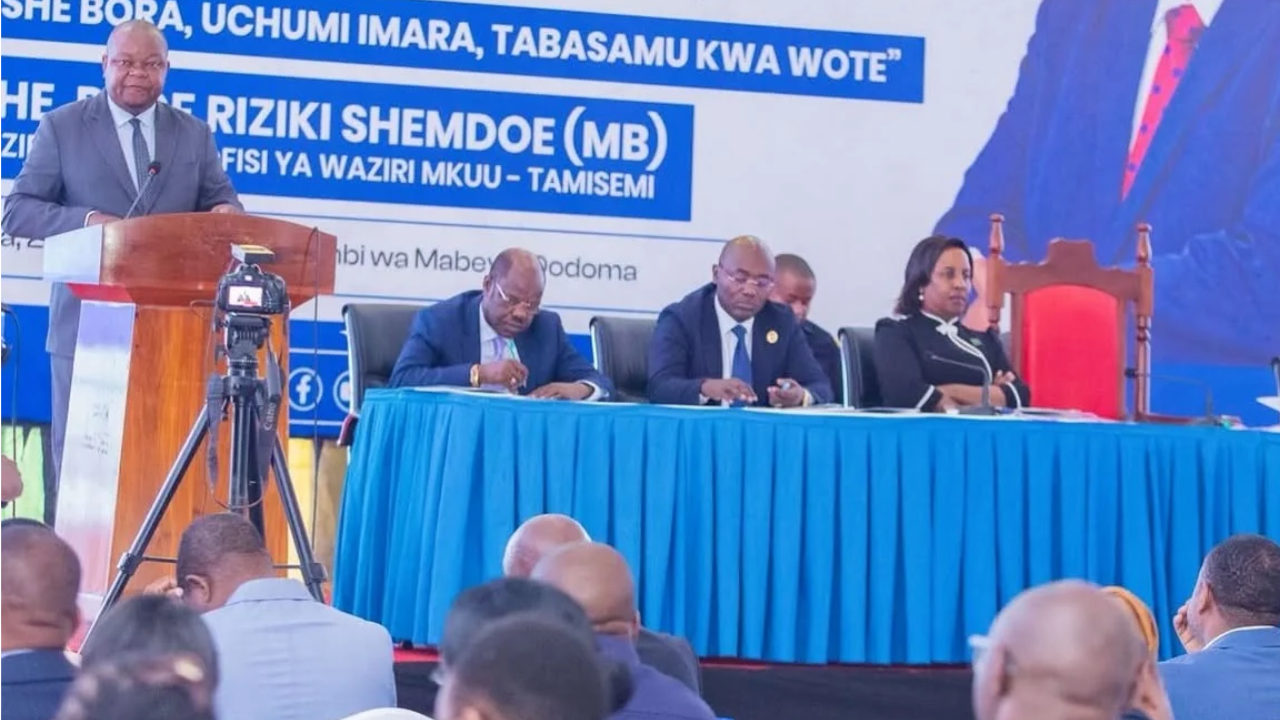
The complaints brought the difficulties of obtaining redress into focus as Johari inaugurated the region’s legal advisory committee on November 24, 2026, promising to bring government and private lawyers closer to people unable to resolve legal problems.
His office accepted the residents’ documents and began opening files for further examination, including a proposed site visit in one case. Neither complaint was settled during the public hearing.
Johari said similar committees had already been launched in about nine regions and that the programme had heard and resolved 11,715 complaints, although he did not provide a breakdown of how those matters had been concluded.
A disputed allocation
Julius Kitomari told Johari that Arusha’s regional land committee had allocated him a plot in Njiro in 1984, but that the same land had subsequently been allocated to three other people at different times.
“Since I was allocated the plot, it has had many disputes. It has been allocated to three people in different years,” he said.
READ MORE: Minister Praises Smallholders’ Role in Economic Resilience as They Raise Land Concerns
Kitomari said he had paid land rent over many years and that a search at the registry in Moshi had revealed other people’s names. He also said the assistant land commissioner had sent him a letter accompanied by a court judgment indicating that the plot had gone to someone else.
He handed over documents including his allocation letter, payment receipts and the judgment, asking the attorney general’s office to examine why competing claims persisted.
Johari said the next step was to analyse the documents and work with other government institutions to establish the source of the problem.
“Since I have heard it myself, I will follow it up personally from the head office,” he told Kitomari.
Appeals for help
Johari also heard Euralia Matai, 60, after noticing her crying while holding a blue file during his address.
“I do not believe I will be heard,” she said as officials recorded her particulars before she explained her complaint.
READ MORE: Widow’s Plight in Dar es Salaam Sparks Outrage Over Alleged Land Grabbing
Matai said she had bought three adjoining plots, but other people had begun building on them. According to her account, one plot now had a completed building with tenants, while construction on the others had stopped after she complained.
She alleged that ward officials avoided her when she sought assistance and that earlier instructions from a prime minister to address her grievance had not produced a remedy. She also described an adverse court decision, while maintaining that she continued paying charges relating to the plots.
Matai said she had become so discouraged and fearful for her life that she had written a will for her children and grandchildren to continue pursuing the matter.
Johari accepted her documents, saying officials would examine them, visit the disputed site and remain in contact with her. He again promised personal follow-up from his office.
The hearings did not establish ownership of either property or substantiate the allegations against other claimants and officials.
Under Article 107A of the Constitution, the judiciary has final decision-making authority in dispensing justice. Receiving a complaint at a legal clinic does not itself overturn an existing court judgment.
Free legal advice
Johari said the clinics were intended to reduce avoidable litigation, prevent disputes that could cause losses to citizens and government, and help people understand their rights and responsibilities.
He linked the initiative to President Samia Suluhu Hassan’s instructions that officials listen to citizens and act on their grievances, urging lawyers to combine professional competence with compassion.
“These services will be provided without any payment,” he said, inviting residents of Arusha and neighbouring regions to seek advice on land, family and other legal problems.
The Legal Aid Act, 2017 provides a broader framework on the mainland for legal education, advice, assistance and representation for people unable to afford private legal services.
In its 2024 annual report, women’s rights organisation WiLDAF Tanzania identified high legal costs and limited knowledge of rights as barriers to justice for women. It also highlighted limited access to formal justice in rural and remote communities.
Johari said the programme should reach more people in villages, where such services were often difficult to obtain, and asked regional and district authorities to support the committees’ continuing work.
The initiative also extends to disputes affecting public projects. Johari invited people involved in a disagreement that he said was holding up construction of Kwasadala market in Kilimanjaro to meet him so efforts could be made to resolve it and allow building to proceed.