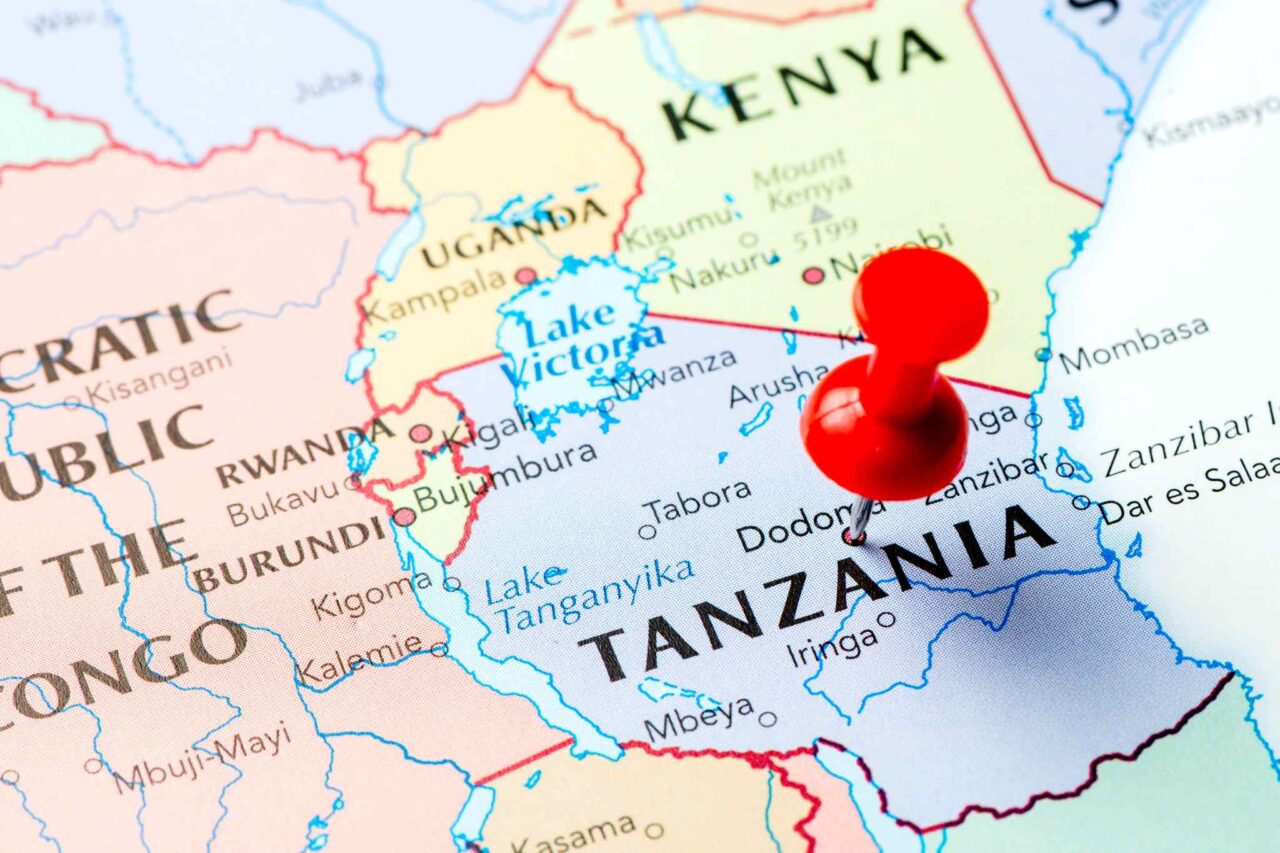

Morogoro – Tanzania’s smallholder farmers, livestock keepers and fishers have played a central role in keeping the economy resilient through successive global shocks, Minister for Livestock and Fisheries Bashiru Ally has said.
Dr Bashiru said the contribution of small-scale producers had become particularly important amid disruptions caused by the COVID-19 pandemic, the Russia-Ukraine war, conflicts in the Middle East and rising living costs.
“Those who are hungry have no choice. When you are hungry, you are humiliated, looked down upon and mistreated,” Dr Bashiru said on September 29, 2026, while opening the 31st meeting of the National Network of Farmers’ Groups in Tanzania (MVIWATA) in Morogoro.
“I therefore commend the farmers, livestock keepers and fishers of our country. Despite severe global shocks, your sweat and efforts have made our economy resilient,” he said.
The two-day meeting brought together smallholder farmers and their representatives, government officials, development partners, diplomats and representatives of farmers’ movements from Tanzania and abroad to discuss challenges facing agricultural producers.
Founded in 1993 by smallholder farmers themselves, MVIWATA seeks to strengthen farmers’ capacity to organise, lobby and advocate for their interests. The network has grown into a nationwide grassroots movement with structures extending from regional to village level across Mainland Tanzania and Zanzibar.
Dr Bashiru said the government recognised the contribution of small-scale producers and had increased budget allocations to the agriculture, livestock and fisheries sectors during President Samia Suluhu Hassan’s administration.
“Without the strength of farmers and small-scale producers, our economy would not have achieved its current level of resilience amid disruptions in global financial and economic systems, high fuel prices, disease outbreaks and climate change,” he said.
READ MORE: The Last Seed: A Reflection on Food Sovereignty and the Battle for Africa’s Agricultural Future
He added that access to agricultural services, markets, fertiliser and extension services had also expanded, although significant challenges remained.
But while the government highlighted the economic contribution of small-scale producers, farmers at the meeting used the platform to raise longstanding concerns over access to land, with some describing land conflicts as a persistent threat to their livelihoods.
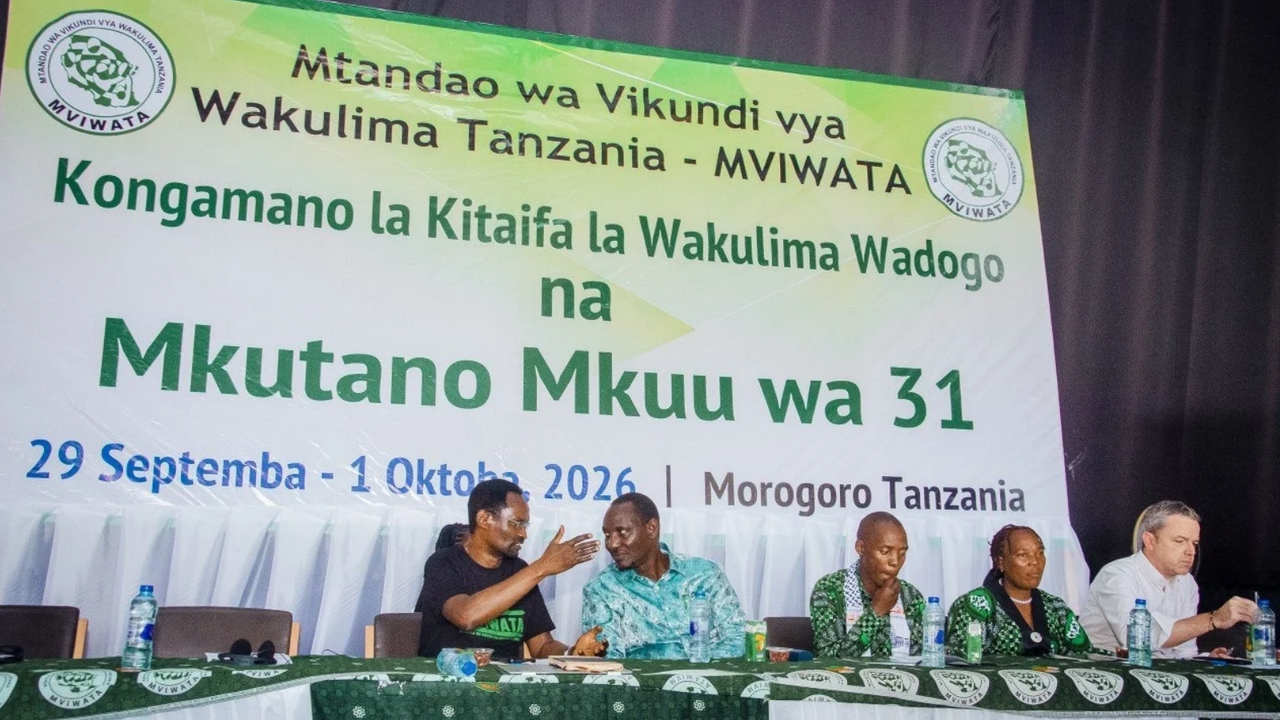
MVIWATA Executive Director Stephen Ruvuga said the disputes took different forms, including conflicts between farmers and livestock keepers, disagreements between farmers and government institutions, and disputes involving investors and land ownership.
He said smallholder crop farmers were often particularly vulnerable because of their weaker economic power and influence.
“Some farmers have had their land taken, and when they ask why, they face threats and, in some cases, violence,” Mr Ruvuga said, referring to cases raised during the meeting.
MVIWATA Chairman Apolo Chamwela highlighted the situation in Magungu village in Kiteto district, where he said more than 60 farmers had lost access to land they depended on for their livelihoods after the areas were allocated for livestock grazing.
He also accused some local government leaders of contributing to tensions between farmers and livestock keepers.
“We farmers and livestock keepers do not have a conflict with each other. A farmer is also a livestock keeper. So where would the conflict come from?” Mr Chamwela said, arguing that some disputes were being fuelled by local government leaders pursuing personal interests.
READ MORE: Bashiru Urges Farmers to Force Govt to Take Their Side. CCM Is Not Pleased
Farmers from Kilosa District in Morogoro Region also appealed for government intervention over longstanding land disputes.
Salum Abdallah Mkwayu, a farmer from Rudewa, said farmers had repeatedly been prevented from cultivating land they considered theirs despite previous government interventions.
He appealed to Prime Minister Mwigulu Nchemba to visit Kilosa, saying farmers and Maasai livestock keepers were being pitted against each other by a small number of local government leaders.
Another farmer and community orginizer from Msomero village, Subira Ignas Mlagala, said successive District Commissioners had attempted to resolve the disputes in her locality without producing lasting solutions.
She urged senior government officials to visit the district and hear directly from affected communities, saying the disputes had persisted for years despite repeated interventions.
Responding to the concerns, Dr Bashiru urged farmers to continue engaging government authorities through dialogue and established administrative channels.
“This is the right way to address your challenges: to speak, to remain united, and for the government to listen,” he said. “We are also being encouraged by our leaders to continue listening and to take these challenges through the appropriate levels of government.”