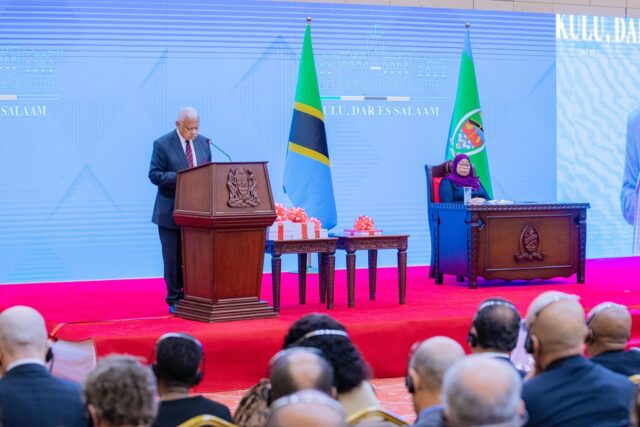
518 Dead, a Nation Fractured: President Samia’s Moment of Truth
After 518 deaths, President Samia must choose accountability or the old system—the Chande Report offers a narrow path to heal or break Tanzania.
After 518 deaths, President Samia must choose accountability or the old system—the Chande Report offers a narrow path to heal or break Tanzania.
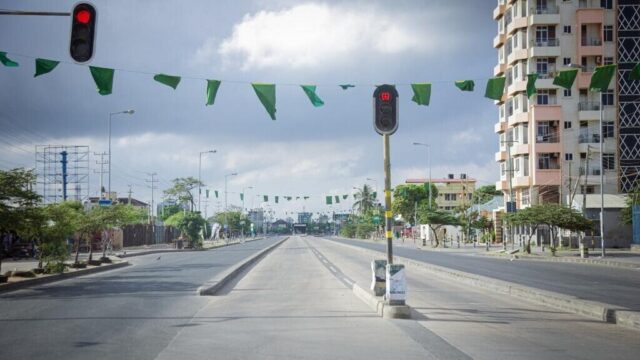
A national celebration turned into a military lockdown as armed forces flooded the streets—revealing a nation silencing dissent instead of honouring freedom.

A top-down chieftaincy appointment bred suspicion, whereas genuine consultation could have built bridges and aligned ethnic and democratic goals.

Incidents like Lissu’s arrest, alongside reported maimings, disappearances and charges against dissenting or critical voices of the status quo, erode trust in institutions, stunting democratic growth.

Tshisekedi’s U.S. pact – trading minerals and bases – shows grit, securing aid where the EAC falters amid relentless unrest. Yet his legitimacy frays after the 2023 election scandals, and his vision dims, swapping sovereignty for short-term calm.
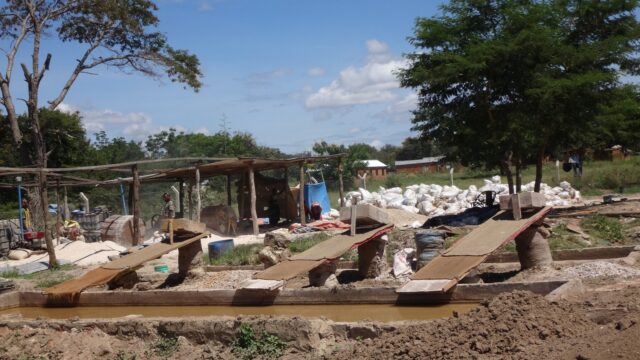
Clinging to mercury and cyanide’s crude alchemy keeps the status quo alive, but at a cost no one can afford.
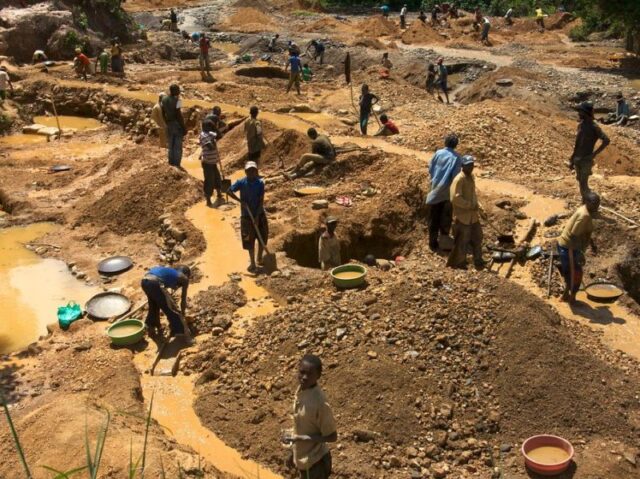
Tanzania’s gold is a national treasure, not a foreign windfall. The government’s nationalist stance is a start, but it’s hollow without action that empowers miners over enablers.

Tanzania’s Minamata ratification and NAP were supposed to herald a new dawn – proof of a nation serious about its soul. Instead, they’re hollow shells in a mercury-soaked reality.
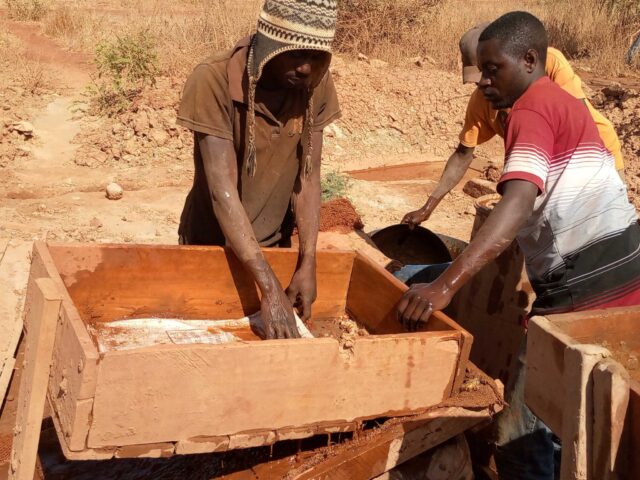
Many African leaders remain instruments in colonialists’ hands, facilitating colonially inclined domination through mineral-based economics.
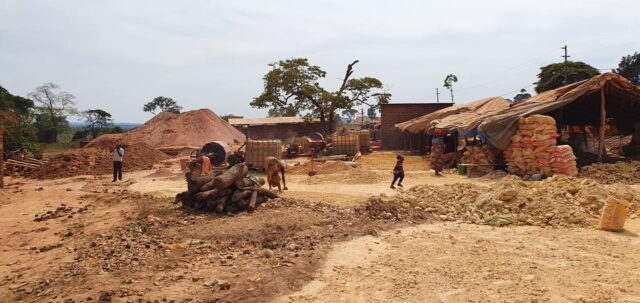
Formalisation goes beyond legalisation. It considers aspects of the environment, health and safety issues among others.