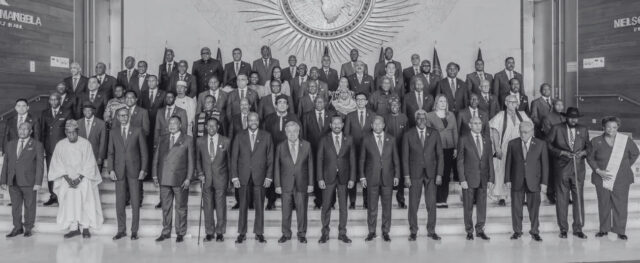
The Black Colonialist: Africa’s Self-Inflicted Wound – Part 3
Peace is a national achievement. It is not a reason to fear disagreement.

Peace is a national achievement. It is not a reason to fear disagreement.
Independence changed the flag. Too often, power kept its old habits.
Colonialism wounded Africa. But what have African leaders done with independence?
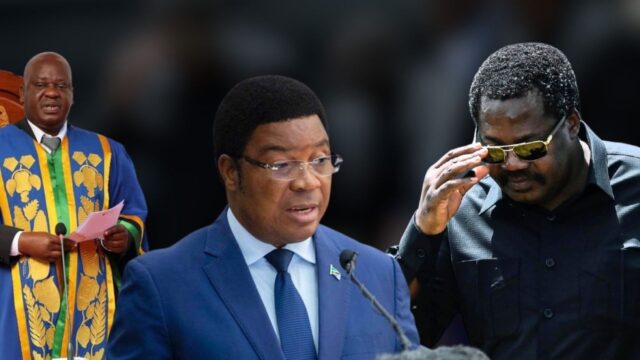
There is something increasingly curious about the way Tanzania’s senior political figures leave office. They resign. They retire. They withdraw. They announce that they have

A pledge to stop violence means little unless the reforms behind it move from promises to a public timetable.
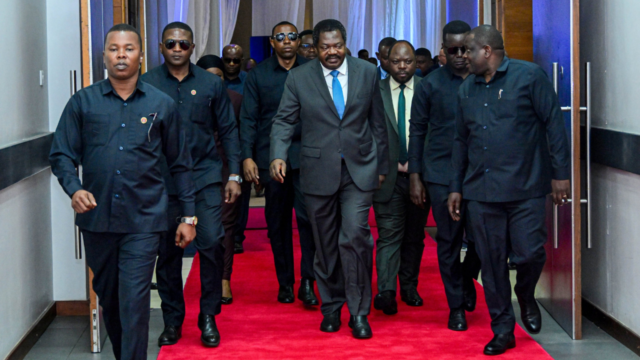
Tanzania’s Vice President is calling on citizens to fight for a new constitution. But is this conviction or a calculated opening move in the 2030 presidential race?
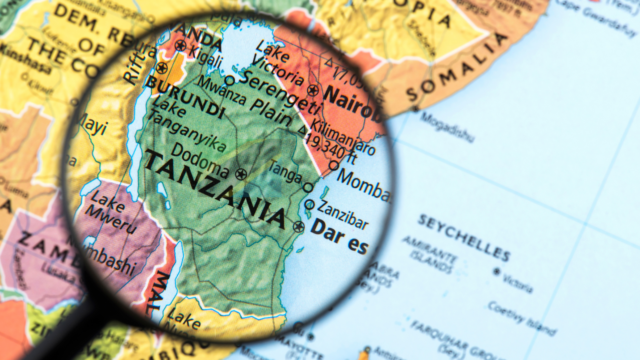
When citizens boo the mention of government at a celebration of national culture, something has broken. But it can be repaired.

History shows that overthrowing governments rarely plants democracy—it usually sows chaos.

Tanzania’s diplomatic balancing act presents a dual-edged path of risks and rewards for its development ambitions.
How a people once persecuted became a regional power accused of genocide.