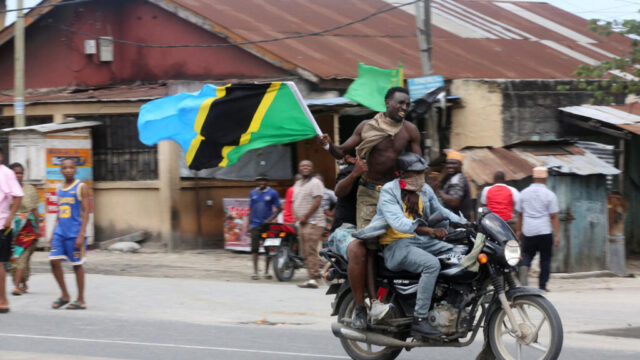
Tanzania’s October 29 Unrest: A Crisis of Youth or a Story of Sabotage?
Tanzania’s October 29 Unrest: A Crisis of Youth or a Story of Sabotage?
Tanzania’s October 29 Unrest: A Crisis of Youth or a Story of Sabotage?

Addressing a gathering of local and international investors, Prof. Mkumbo acknowledged that the country had recently faced moments that tested its stability—referencing the unrest following the October elections.
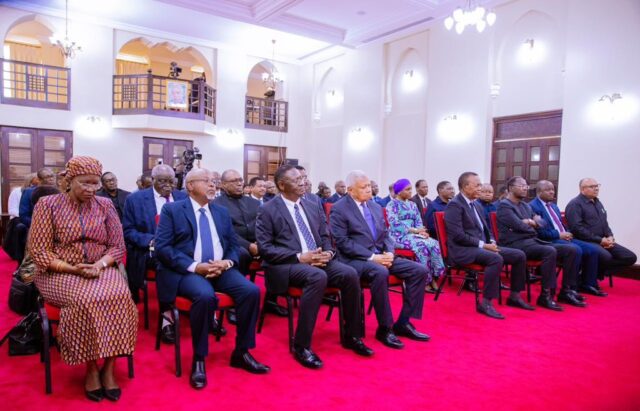
Wanaeleza kuwa tume hiyo inakosa uhalali wa kisheria
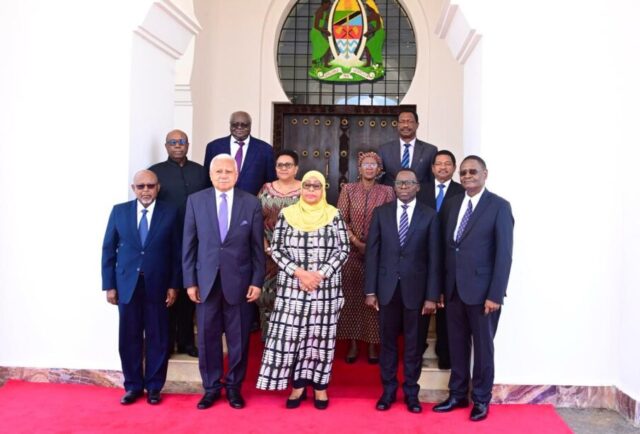
A judicial review seeks to halt the inquiry into post-election violence, alleging the President’s appointed commission is illegal, conflicted, and lacking independence.
In our briefing today:
Education Minister Seeks Field Insights on Updated School Syllabi;
Op-ED; Tanzania: Assessing and Mitigating Political Risks for Businesses Post–October 29;
Op-Ed; An Island of Peace? Tanzania’s Unacknowledged Legacy of Violence.
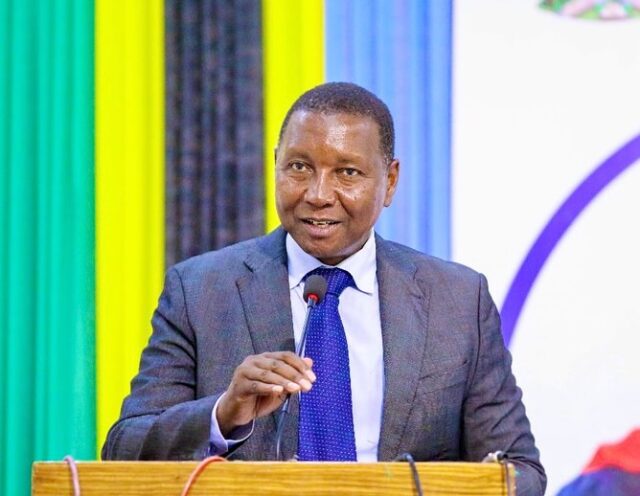
Prof. Mkenda encouraged teachers to openly share the challenges and successes they encounter as they implement the revised syllabi, noting that such input will guide further improvements.

The political settlement that guaranteed a measure of policy stability in the aftermath of 2017-2019 business sector reform has entered a renegotiation phase.
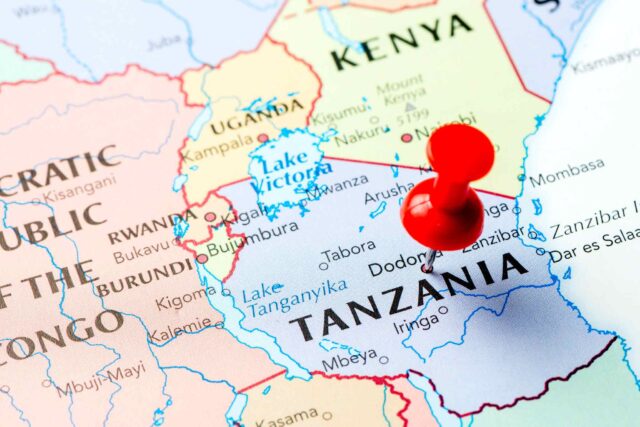
Tanzania’s reputation as a peaceful haven masks a complex history of internal and external conflicts, political assassinations, and recent violence demanding accountability.
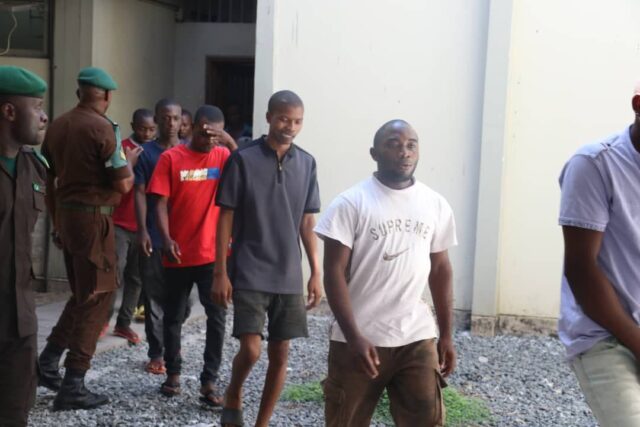
A total of 2,045 people were arrested nationwide following the demonstrations that occurred on Election Day, which were countered by a heavy use of force by state organs.
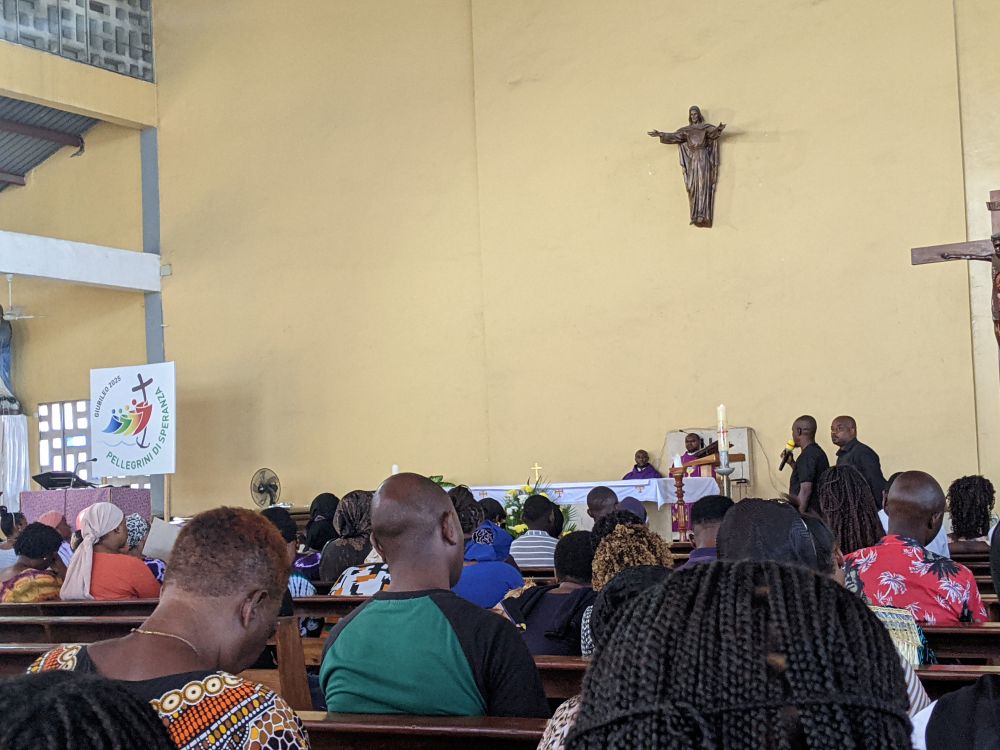
Daines’ family is one of many who have had to conduct burials without bodies following the killings during the election-day protests and the subsequent security crackdown.