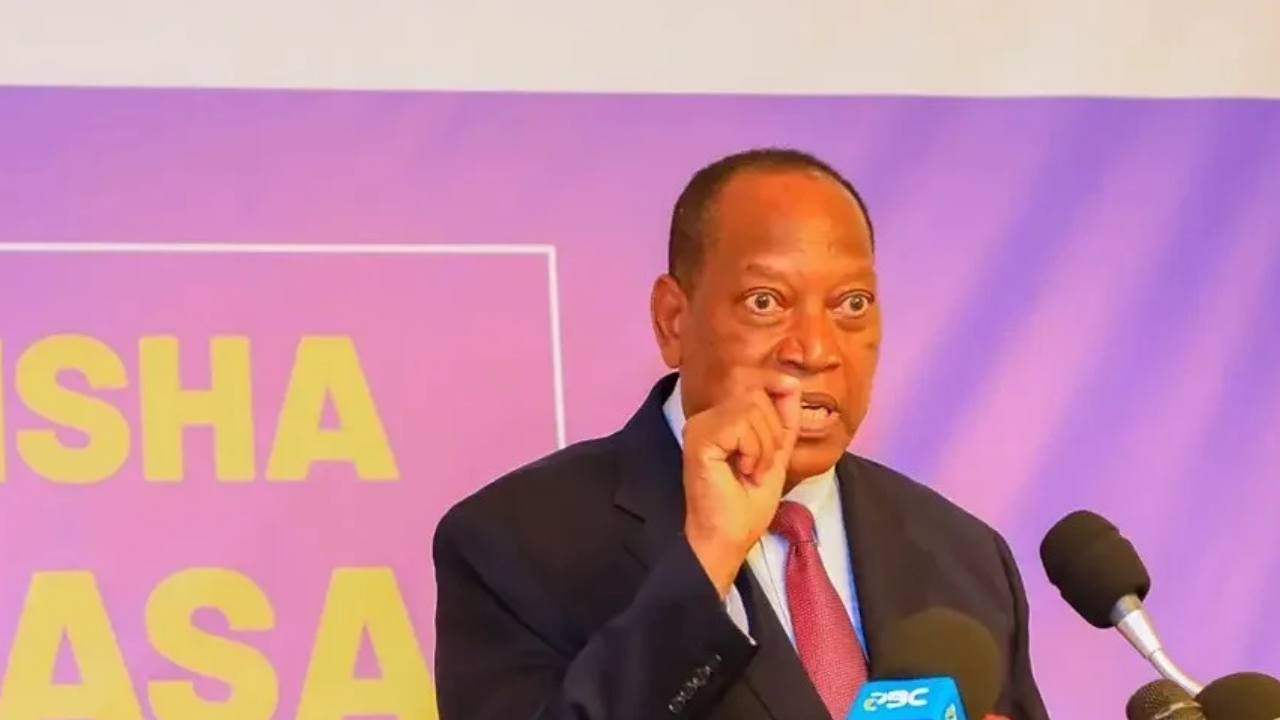

Tanzania’s Prevention and Combating of Corruption Bureau (PCCB) has called for greater transparency in the country’s carbon credit business. The issue was raised during a workshop on September 9, 2025, where PCCB presented findings from its assessment of the sector.
“We know that there is a company called Tanzania Carbon Limited, which is responsible for managing the operation of this business here in our area. They are the ones who have been measuring to determine how much carbon dioxide there is, which they then buy,” said PCCB Director General, Mr. Crispin Chalamila.
“Now, we are saying that this is one area where we have identified a lack of sufficient transparency; it is not participatory. Because they are the only ones who know how many levels, how many metric tons of carbon dioxide they have obtained, which is what they then use to pay us—or to pay the owners of those forests,” Chalamila continued.
Carbon trading is as a system in which companies or individuals compensate for their greenhouse gas emissions by purchasing carbon credits from entities that remove or reduce such emissions.
In Tanzania, the business is regulated through the Carbon Credits Regulations and accompanying guidelines. The National Carbon Assessment Technical Committee is tasked with approving carbon credit projects in the country.
Several organizations run carbon credit projects in Tanzania, including Carbon Tanzania, Dubai-based Blue Carbon and multinational companies such as Volkswagen, which is launching a project in Monduli and Longido districts in northern Tanzania in partnership with the Biodiversity Research Institute.
While globally and in the country, some doubts have been expressed about the mechanism, the PCCB has raised new queries with the local councils that have received the funding. According to the PCCB, most of the funds received from carbon credit projects have not been directed to environmental protection as expected.
“But the second issue is about usage. We know that nearly 30 billion shillings were paid to three district councils that have already begun this carbon trading business. These are the Tanganyika District Council in Katavi Region, and Kiteto and Mbulu District Councils in Manyara Region,” Chalamila said.
“Now, we have tried to track the use of these 30 billion shillings that were paid to these three district councils, and we have noticed some problems there as well. We have observed that not enough funds have been reinvested in promoting conservation,” he added.
“Instead, other expenditures have occurred which, I can say directly, are unrelated to environmental conservation. For example, in some district councils, the money was lent out—individuals loaned out these funds. And I must say this with great disappointment: the money has not been returned. Moreover, there are no strong systems in place to ensure that these funds are recovered by the government and redirected to their intended purpose.”