

As the rainy seasons return, communities across Tanzania find themselves caught between hope and anxiety. Rain sustains livelihoods, agriculture, and ecosystems; yet, for many urban and peri-urban residents, it also signals fear – fear of flooding caused not only by natural events, but also by blocked waterways, poor settlement planning, and weak enforcement of land-use regulations.
Arusha offers a sobering example of how seasonal rains become disasters when water has nowhere to go.
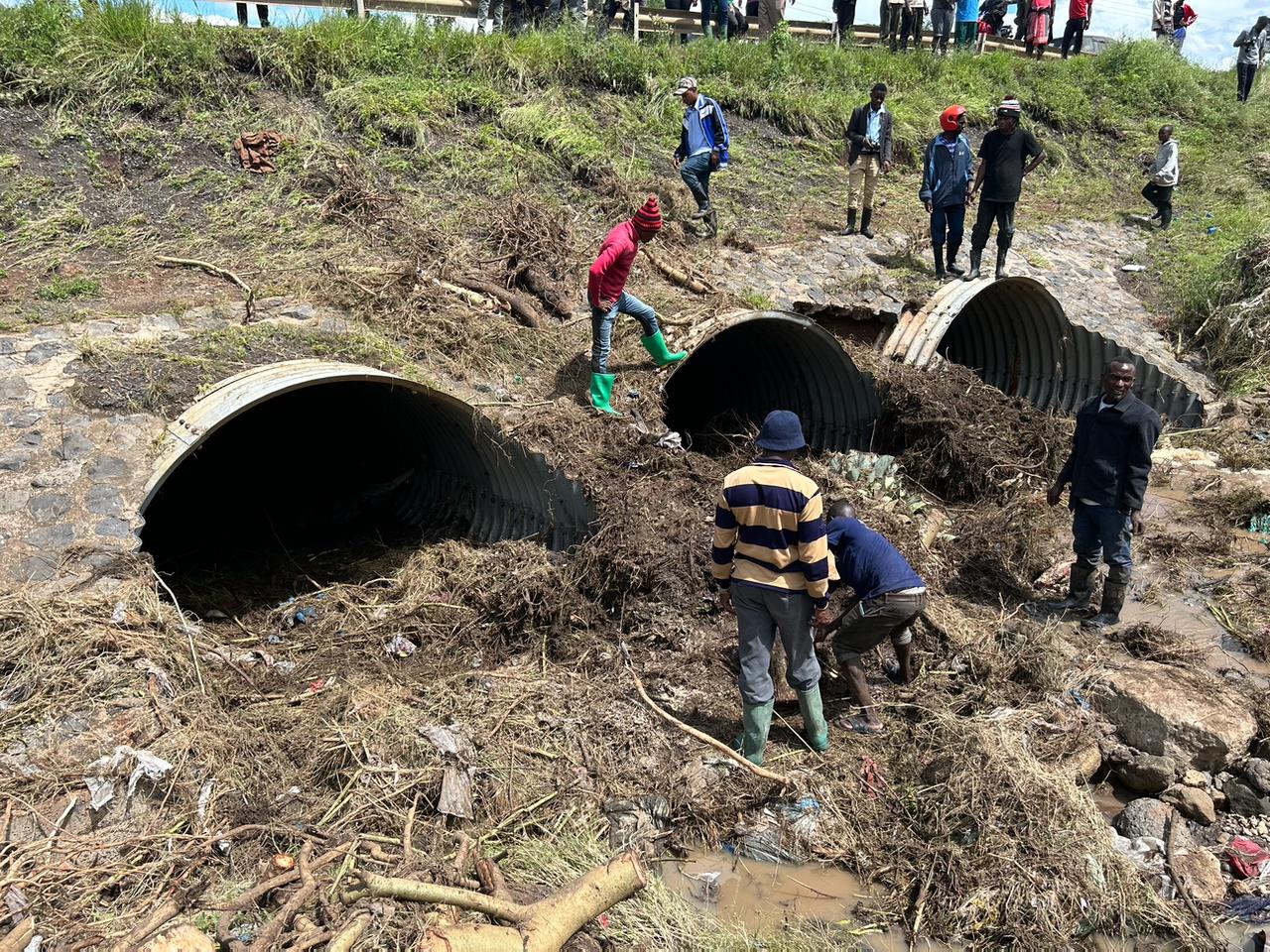
In April 2024, severe flooding struck Kisongo, causing damage to homes, roads, and livelihoods. Months later, residents remain anxious that without additional efforts to open blocked waterways, floods will recur. The government’s rehabilitation of the bridge along the Arusha–Minjingu Highway – after it was clogged by mud and uprooted trees earlier in the year – was necessary and welcome.
That blockage forced flash floodwaters to change course, demolishing walls and inundating parts of Kisongo town. Yet fixing a bridge after destruction has occurred is not the same as preventing floods before they happen.

The deeper problem lies in the miscalculated and poorly planned settlement. In Kisongo, particularly in Olong’oswa Sub-Village, houses have been built along natural drainage lines and seasonal water channels without adequate buffers or drainage systems.
Despite repeated warnings from residents and community members – including the authors of this piece relevant public authorities have yet to take decisive action to reduce risk and safeguard lives.
A pattern
This situation is not unique to Arusha. It reflects a national pattern that has been well documented by research.
A World Bank report on flood risk in Dar es Salaam’s Msimbazi River Basin—Msimbazi Basin Development Project —found that recurrent flooding is directly linked to encroachment into the river basin, narrowing of natural channels, and the blockage of stormwater infrastructure by sediment and solid waste.
The study notes that bridges and culverts often become choke points, reducing water flow capacity and forcing floodwaters into surrounding settlements. The result is flooding that is more frequent, more intense, and far more destructive than would occur under natural conditions.
Flooding also carries heavy economic consequences. Another World Bank study titledFloods and Their Impacts on Firms: Evidence from Tanzania examining firms across Tanzania found that floods disrupt businesses not only through direct damage to buildings and equipment, but more critically through indirect impacts—damaged roads, interrupted electricity and water supply, and workers’ inability to reach workplaces.
READ MORE: Hanang Disaster: Survival Stories, ‘I thought the floods had affected the entire world’
These indirect losses were found to be larger and longer-lasting than the immediate physical damage, undermining productivity and local economies long after floodwaters receded.
Transport dimension
In Arusha, the transport dimension adds another layer of risk. A study on transport network vulnerability in Tanzania, Transport Risks Analysis for the United Republic of Tanzania, identified flooding as a major cause of road deterioration and service disruption, particularly where bridges and low-lying road links act as network bottlenecks.
The study shows that when key roads and bridges fail, disruption spreads across the transport system, amplifying economic losses far beyond the damaged sites themselves. When traders cannot reach markets, emergency services are delayed, tourism suffers, and vehicle operating costs rise.
For a region that depends heavily on reliable transport corridors, repeated flood damage undermines both local livelihoods and national economic activity. The lesson from both research and lived experience is clear: water does not flow upstream.
When waterways are blocked—whether intentionally by construction or unintentionally by waste, sediment, or vegetation—water will find another path. That path is often through homes, schools, and roads.
Preventive action
What is needed now is decisive, preventive action. Central government agencies, particularly TANROADS, working with local authorities, must prioritise the systematic opening and protection of waterways.
READ MORE: Morogoro-Dodoma Electric Train Service Suspended After Storm Damage
This includes regular clearing of culverts and bridge underpasses, enforcement against construction in drainage corridors, and the use of existing laws to require the reopening of blocked channels.
Local government authorities must take the lead in mobilising wananchi to reopen water channels along streets and within neighbourhoods. Visible action is needed against residents who intentionally or unintentionally block waterways, and against officials who fail to cooperate by reporting them to the relevant authorities for enforcement.
This must be done proactively, rather than waiting for the next rainy season only to offer consolation to affected families. Equally important is planning grounded in hydrological reality. Arusha sits within a complex network of seasonal rivers descending from the surrounding highlands.
Infrastructure must be designed for peak flows, not average rainfall, and communities must be engaged as partners – because residents often know exactly where water once flowed freely.
The floods in Kisongo are not inevitable acts of nature. They are the predictable outcome of choices made – and choices delayed. Tanzania already has the evidence, the laws, and the technical knowledge to reduce flood risk. What remains is the collective action before the next rains turn anxiety into loss once again.
Epiphania Ngowi holds a Master’s in Public Health. She’s available at epingowi@gmail.com. Emmanuel Sulle holds a PhD in Poverty, Land & Agrarian Studies. He’s available at sulle.emmanuel@gmail.com. Both are residents of Arusha, Tanzania. The opinions expressed here are the writer’s own and do not necessarily reflect those of The Chanzo. If you are interested in publishing in this space, please contact our editors at editor@thechanzo.com.




2 responses
Yes, a very good article
An excellent article. The lessons of history must be learnt, or moe fatalities will occur with predictable floodwaters, made hazardous by the factors raised here.