
Dar es Salaam – The fourth season of the Mwalimu Julius Nyerere Award in Creative Writing kicked off here on Monday, honouring this year’s winners while also becoming a platform for a broader argument about Kiswahili, education and the cultural work of literature in Tanzania and across Africa.
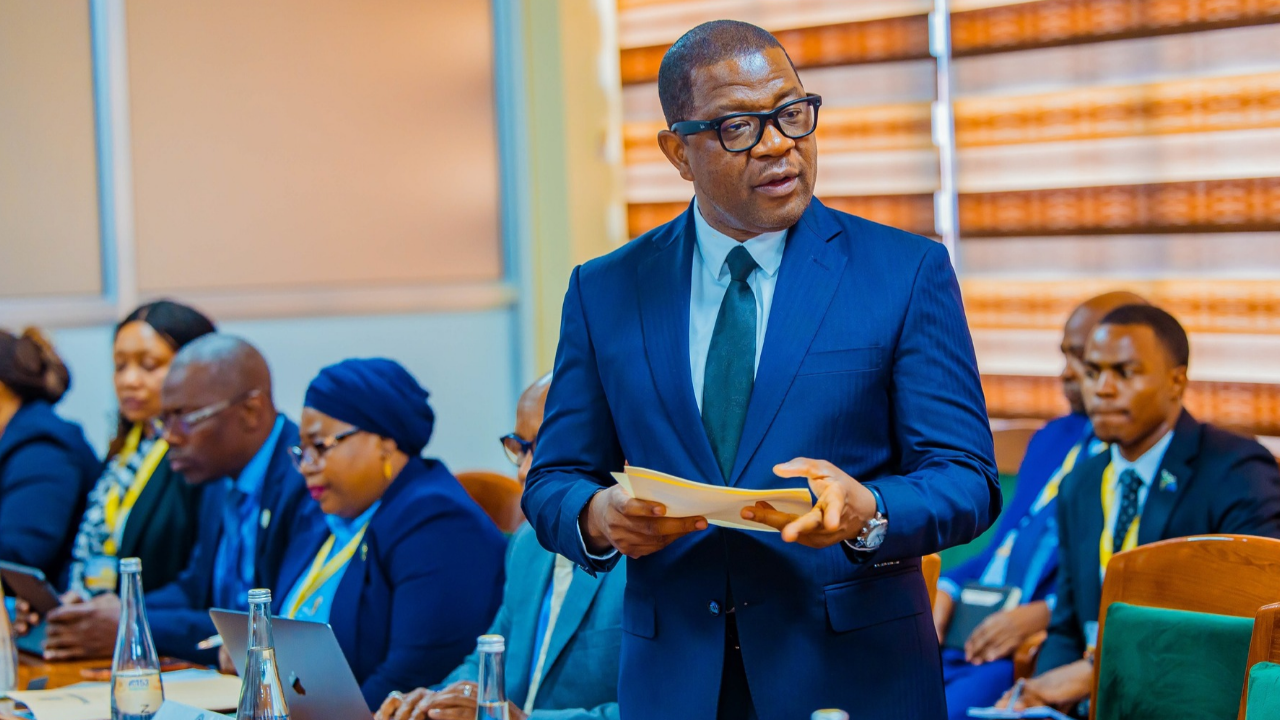
Kenyan writer and dissident Prof Abdilatif Abdalla delivered the evening’s defining message at The Super Dome, Masaki, arguing that creative writing must not be reduced to performance or ornament.
Instead, he said, literature should help societies understand themselves, preserve their memory and sharpen their thinking.
The night also produced the winners of the 2026 season. First prize went to Bishop John Hiluka for the novel Waraka Kutoka Gerezani, Abdallah Salim Gereza for the poetry collection Kiwinda Elimu, Amina Abdrahman Mohamed for the children’s story Shumi na Vitungule, and Hamis Hussein Kibali for the play Ufalme wa Mabadiliko.
The annual award is held to mark the birth anniversary of Mwalimu Julius Nyerere and to recognise his role in advancing Kiswahili and national culture.
This year’s competition covered four genres — novels, poetry, children’s literature and drama — and it is part of a broader effort to promote Kiswahili, preserve history and culture, and expand the supply of books in libraries and schools.
Beyond entertainment
Abdalla’s keynote gave that official mission a sharper intellectual edge. “Creative writing should not end, and must not end, as mere entertainment; it should also be a tool, one of the important tools that reflects and helps to organise the life and vitality of a society,” he told hundreds of people who attended the occasion.
That line set the tone for the rest of his remarks. Rather than treating the award as a stand-alone literary celebration, Abdalla presented it as part of a larger struggle over language, identity and African self-definition.
His authority on that question comes from both literature and politics. He wrote the 1968 pamphlet Kenya: Twendapi? as a young activist criticising the government of Jomo Kenyatta, and he was imprisoned in isolation for three years after its publication.
On Monday night, he placed that personal history inside a wider East African and African context. He praised Nyerere as a figure who worked for Africa’s liberation not only politically and economically, but also culturally and intellectually.
Abdalla then turned directly to the next generation. He urged younger Africans and especially young writers to continue the work of building African unity, arguing that literature written in Kiswahili should be part of that project rather than detached from it.
He was equally direct about language policy: “Our long-standing plea is that Kiswahili should be the language of instruction in our schools instead of remaining only a subject like other subjects.”
That appeal revived a long-running debate about the place of Kiswahili in formal education. In Abdalla’s telling, strengthening the language in schools is inseparable from strengthening the literary culture that awards such as this one are intended to celebrate.
He also spoke to the craft of writing itself, urging emerging writers to read widely, learn from established authors and absorb different techniques before developing their own voice, rather than simply reproducing the styles they admire.
Abdalla paired that challenge to writers with a challenge to institutions. He called on the government and cultural stakeholders to invest more heavily in workshops, conferences and other training spaces for younger writers.
He repeated his proposal that the prize should eventually be opened to Kiswahili writers from across Africa rather than remaining only for Tanzanian nationals.
Cultural agenda
For Prof Adolf Mkenda, the Education Minister, the ceremony was not only about honouring writers but about defending an educational and cultural agenda, noting that the award was intended to promote Kiswahili, nurture creative writing talent, preserve history and culture, and increase the stock of books in libraries.
He linked the prize directly to Nyerere’s legacy as a thinker, pointing out that Nyerere should be understood not only as a political leader and statesman, but also as a scholar, and that this scholarly legacy was central to the meaning of the prize.
“Let us view these awards in the broader context of the reforms underway in the education system, and one of those areas is restoring an academic culture, which is the culture of writing and reading,” he said.
First launched in 2022 after Mkenda announced the plan in his budget speech, the award supports not only writers but also publishers, school libraries and the wider reading ecosystem through state-backed publication and distribution of winning manuscripts.
Prof Penina Mlama, chair of the award committee, said 260 manuscripts were submitted this year, while Prof Caroline Nombo, the permanent secretary, said the government had invested Sh4.2 billion in the prize through the 2025/26 financial year for administration, the publication of winning books and prize money.
Here is the full list of winners announced at the ceremony:
| Category | First prize | Second prize | Third prize |
|---|---|---|---|
| Novel | Bishop John Hiluka, Waraka kutoka Gerezani | Alfani Sudi, Mnara wa Posta | Enock Abiudi Maregesi, Alama za Blue |
| Poetry | Abdallah Salim Gereza, Kiwinda Elimu | Kombo Abdallah Omar, Tunu ya Taifa | Hafidh Ali Makame, Naisubiria Faraja |
| Children’s literature | Amina Abdrahman Mohamed, Shumi na Vitungule | Godlove Kabati Celestine, Kumbe ni Mwizi | Fatma Salim Suleiman, Kidau cha Panya |
| Drama | Hamis Hussein Kibali, Ufalme wa Mabadiliko | Elizabeth Godwin Mahenge, Fanani | Esther Everest Nyawale, Jiko la Ukombozi |
One Response
Asante kwa taarifa hizi. Ingependeza pia kuandika habari hizi kea lugha ya Kiswahili kama alama ya kukienzi na kufikia wasomahi wengi.
Natamani kuvipata vitabu hivi. Naomba mwongozo.