
Orca Energy Group, which had operated the Songo Songo gas field since 2001, said on April 13 that it had agreed to divest its entire Tanzanian business, marking the end of its presence in the country.
The proposed deal will transfer control of the business to Taifa Gas Tanzania Limited, which will take 49 per cent, and Amber Energy Investment L.L.C-FZ, which will take 51 per cent.
Orca said the assets being sold represent 100 per cent of its current operating business, making this more than a portfolio reshuffle.
It is a full corporate exit from the market for a company that helped supply gas to industrial users and power generation for the national grid.
The company said its board chose to leave after a lengthy review of risks related to ongoing disputes, claims, uncertain licence renewal prospects, contingent tax liabilities, potential capital spending, and the costs of arbitration and other litigation.
In a separate announcement last year, Orca said its subsidiaries had launched ICSID arbitration proceedings against the Government of Tanzania and the Tanzania Petroleum Development Corporation.
READ MORE: The Energy Charter Treaty Fallout: Why Tanzania Must Rethink Its Energy Investment Framework Now
It alleged breaches connected to the Songo Songo project, including failure to extend the development licence due to expire on October 10, 2026.
After closing, Orca says it will retain no ongoing ownership interest in the Tanzanian business beyond specified pre-closing economic entitlements.
Implications
For Tanzania, the implications cut in two directions: the buyers present the deal as a chance to deepen domestic ownership, while wider policy assessments still point to unresolved investor concerns.
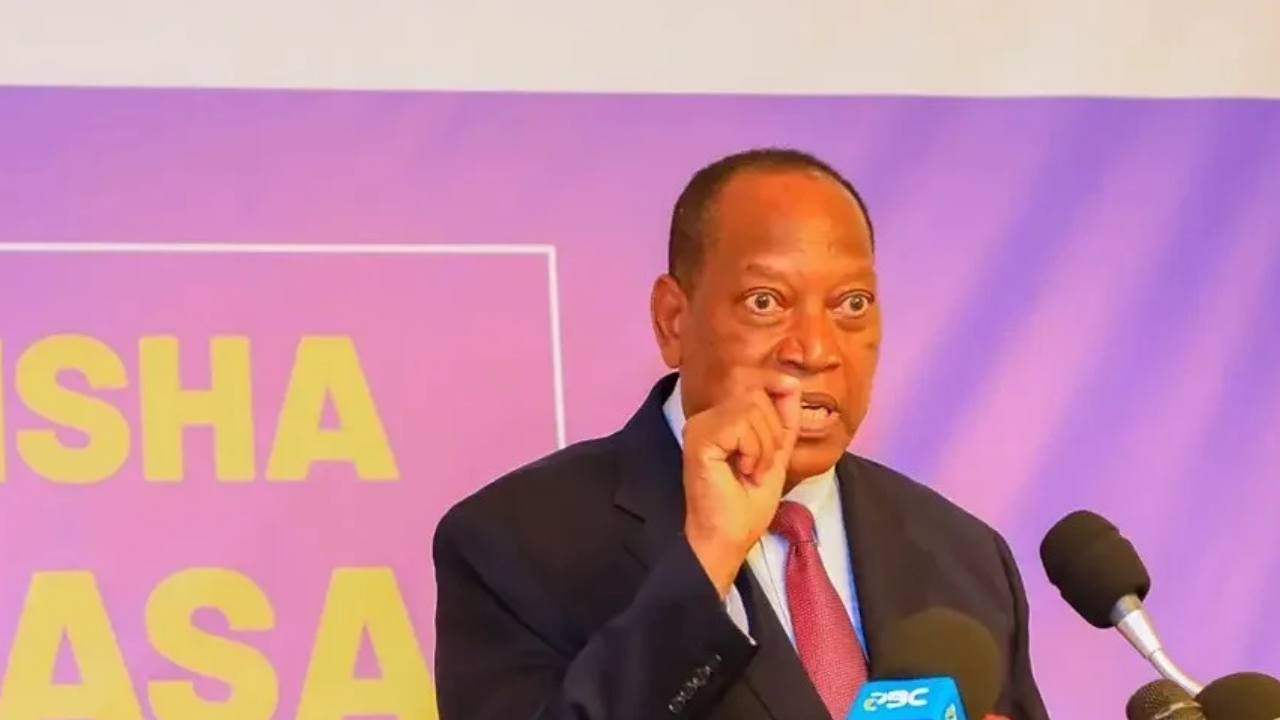
On one hand, Taifa chairman Rostam Azizi called the transaction “a pivotal moment” and argued that greater Tanzanian ownership could deepen industrial capacity, keep more profits in-country and support the domestic gas sector.
On the other hand, Azizi also said he hoped the government would continue developing “clear, practical frameworks that promote investment,” a line that echoes assessments of Tanzania’s regulatory instability, inconsistent tax treatment and weak trust between business and government.
READ MORE: Foreign Direct Investment in Tanzania Rises to USD 1.7 Billion, Highest in a Decade
Official data from the Bank of Tanzania show foreign direct investment inflows edged up by 0.4 per cent to US$1.656 billion in 2024, with inflows concentrated in mining and quarrying, finance and insurance, manufacturing, and information and communication.
That suggests investors have not abandoned the country, but the same report says Tanzania’s 2024 inflows were financed mainly through reinvested earnings rather than fresh capital, reflecting reliance on investors already in the market.
Tanzania is also trying to position itself for much larger energy investment, with the government expecting to sign a deal for a US$42 billion liquefied natural gas project intended to unlock 47.13 trillion cubic feet of gas reserves, and the Orca transaction comes as that push intensifies.
Orca is not the only business to have left or scaled back in Tanzania. Uber, the global ride-hailing behemoth, exited the market on January 30, 2026, after nearly a decade, following earlier clashes over fare caps, commissions and sector regulation that the company had said were unfriendly to its business model.
A second example is more qualified but still significant. Standard Chartered Tanzania transferred its wealth and retail banking business to Access Bank Tanzania on June 20, 2025, “bringing this chapter of our operations to a close,” while remaining in the country through corporate and investment banking.