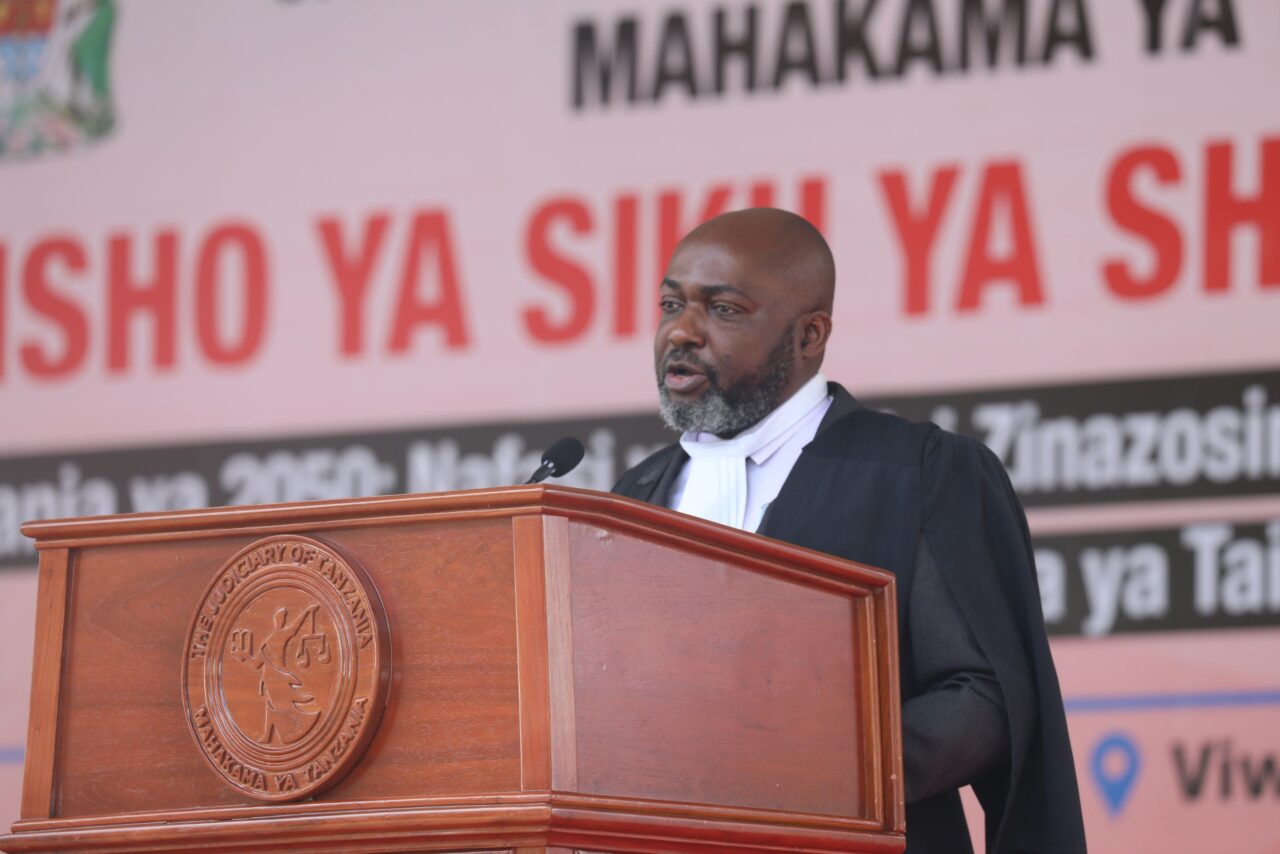

Zanzibar – Bishop Dr Benson Bagonza, head of the Evangelical Lutheran Church in Tanzania’s Karagwe Diocese, delivered a searing critique of Tanzania’s political and religious leadership at the Tanzania Democracy Forum on July 9, 2026, warning that the nation faces a profound generational crisis rooted in the systematic exclusion of young people from political and economic life.
Speaking at Hotel Verde in Zanzibar, Bishop Bagonza argued that the October 2025 political crisis was fundamentally a crisis of inclusion, with young Tanzanians bearing the heaviest costs.
He called on political leaders, religious figures, and educators to fundamentally reimagine civic participation and leadership formation to address what he characterised as a breakdown in the transmission of democratic values and critical thinking across generations.
The Tanzania Democracy Forum is a one-day national convening held on July 9, 2026, designed as an intergenerational dialogue on democracy in Tanzania. The forum created a platform for intergenerational dialogue on the structural causes of youth exclusion and pathways toward genuine democratic participation.
It was jointly convened by the Centre for Strategic Litigation, the Zanzibar Fighting Against Youth Challenges Organisation, Waandishi wa Habari za Maendeleo Zanzibar, Twaweza East Africa, the Tanganyika Law Society, the Tanzania Media Women’s Association, and the University of Dar es Salaam Staff Assembly.
During his keynote speech, Bishop Bagonza structured his analysis around several interconnected challenges facing young Tanzanians. He identified what he termed “a systematic exclusion of youth” from both electoral participation and political leadership, despite their constituting the nation’s largest demographic cohort.
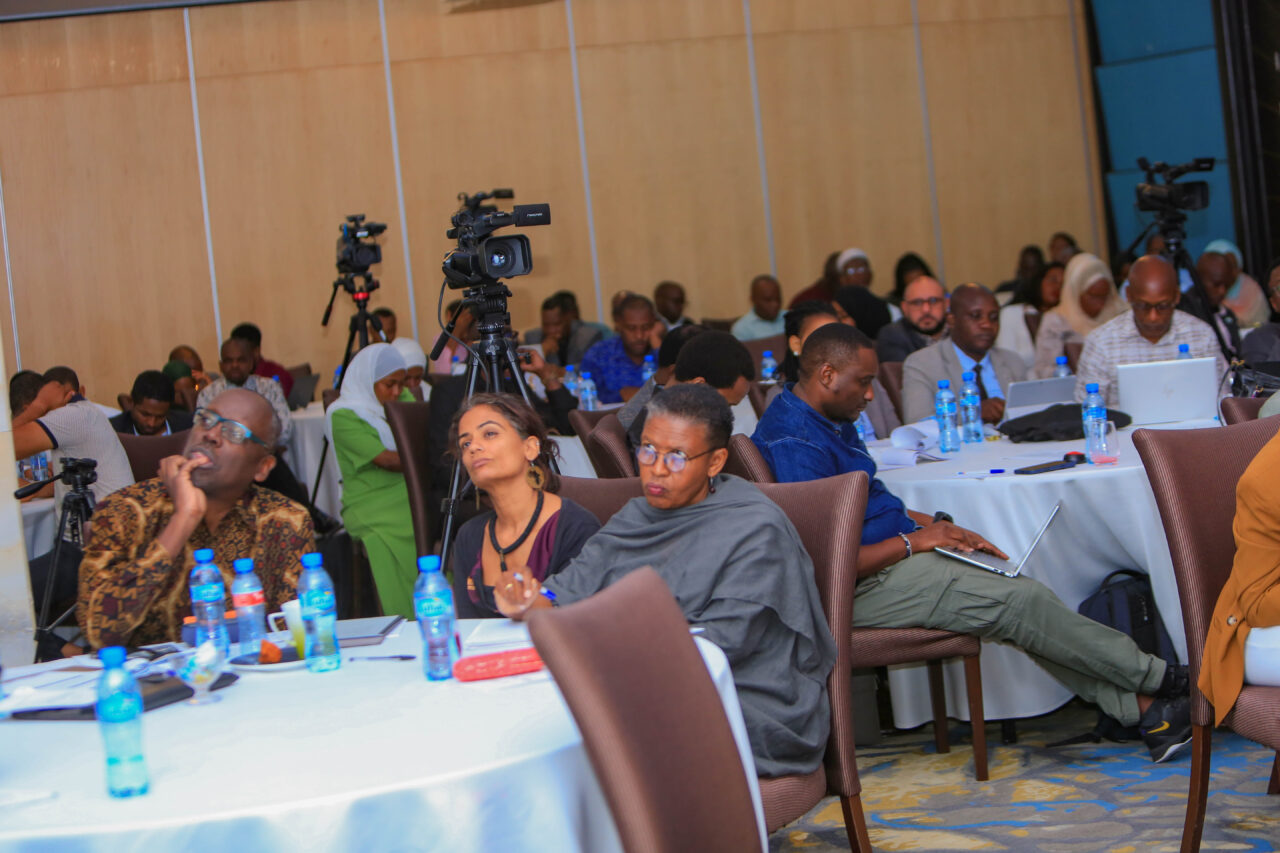
Bishop Bagonza noted that many young Tanzanians lack the financial means to meet the practical requirements of political candidacy.
“Young people lose the right to be elected and retain only the right to choose others in environments where there is no certainty their votes will be respected,” he stated. “In environments where many people believe the commission is not independent, judicial remedies for electoral matters are expensive, and corruption is widespread, a young person’s ability to advocate for their right to vote or be elected is a dream.”
Facing these barriers, many young people disengage from formal electoral processes. The bishop observed that this exclusion has led many to become instruments of political parties. “Young people are being turned into tools and agents to steal or protect the votes of those who are not young,” he said. “Young people are being made to dig their own graves at the hands of adults.”
Breakdown of institutions
A central concern in Bishop Bagonza’s address was the breakdown of institutions responsible for forming young leaders. He noted that the family, religious education, and human rights frameworks have all deteriorated as sources of moral and civic formation.
READ MORE: Unemployment’s Lure: Why Young People Are Vulnerable to Bad Influences
“We now have a generation that does not listen to sermons, does not fear curses, and does not respect adults,” he observed. “The generation you hear about is called Gen Z. The role model of these young people is no longer Jesus, not a bishop, not an apostle, not a pastor, nor a priest.”
He noted that young people’s role models have shifted to celebrities, musicians, and social media influencers. “TikTok has greater influence than political parties and other institutions we have become accustomed to,” he stated.
Bishop Bagonza argued this reflects a deeper problem: the failure of civic education to cultivate critical thinking. He criticised Tanzania’s educational system for emphasising obedience and submission rather than inquiry.
“Civic education for our nation has been built on emphasising duty rather than rights; submission without questioning is the emphasis,” he said. “A good citizen is one who receives instructions without questioning.”
Political disengagement
Bishop Bagonza was particularly critical of religious leaders’ role in discouraging youth political engagement. “Many church leaders persuade young people not to engage in politics; politics becomes demonised,” he observed. “They say, ‘Do not go into politics, stay away from politics.’”
READ MORE: A Youth Bank in Name Only Won’t Empower Tanzania’s Young
He argued this creates a vacuum filled by those with less scrupulous intentions. “If good people withdraw from politics, fools and thieves will be the ones to lead us,” he stated.
“I have witnessed recently: fools who were insulting me online for mixing religion and politics have sought me out to defend them when they faced difficulties. When things got bad, they said, ‘Father Bishop, we ask you to give us a voice.’ I asked them, ‘Do you want me to continue mixing religion and politics?’”
Bishop Bagonza highlighted how Tanzania’s political system creates structural barriers to youth participation. He noted that young people without party membership cards cannot vote, yet those with membership often function as party labourers rather than genuine participants.
“All political parties have become the property of leaders, and all members have become labourers,” he stated. “If you become a member of a party, you become a labourer of that party. Thinking leaves you at home when you go to the party.”
He called on young people to consider alternative forms of political mobilisation. “Young people who changed the history of the world used movements rather than groups. Movements have the power to remove artificial boundaries and unite people through values.”
Role of civic education
Bishop Bagonza argued that civic education requires fundamental reform to encourage questioning rather than compliance. “Education should help a young person question rather than praise; help them participate rather than withdraw; help them believe in themselves rather than believe in leaders,” he stated.
READ MORE: A Young Zanzibari’s Perspective on What’s Needed to Achieve Genuine Democracy in Africa
“Always hold leaders in suspicion,” the cleric urged young people. “That is your duty: to be accountable and hold others accountable, to defend rights rather than defend parties and leaders.”
The forum addressed three interlocking thematic areas. Panel 1 examined the relationship between political leadership, economic governance, and youth prospects. Panel 2 addressed the intersection of religious expression, social cohesion, and radicalisation risks. Panel 3 centred young Tanzanians’ voices in examining what democratic participation means.
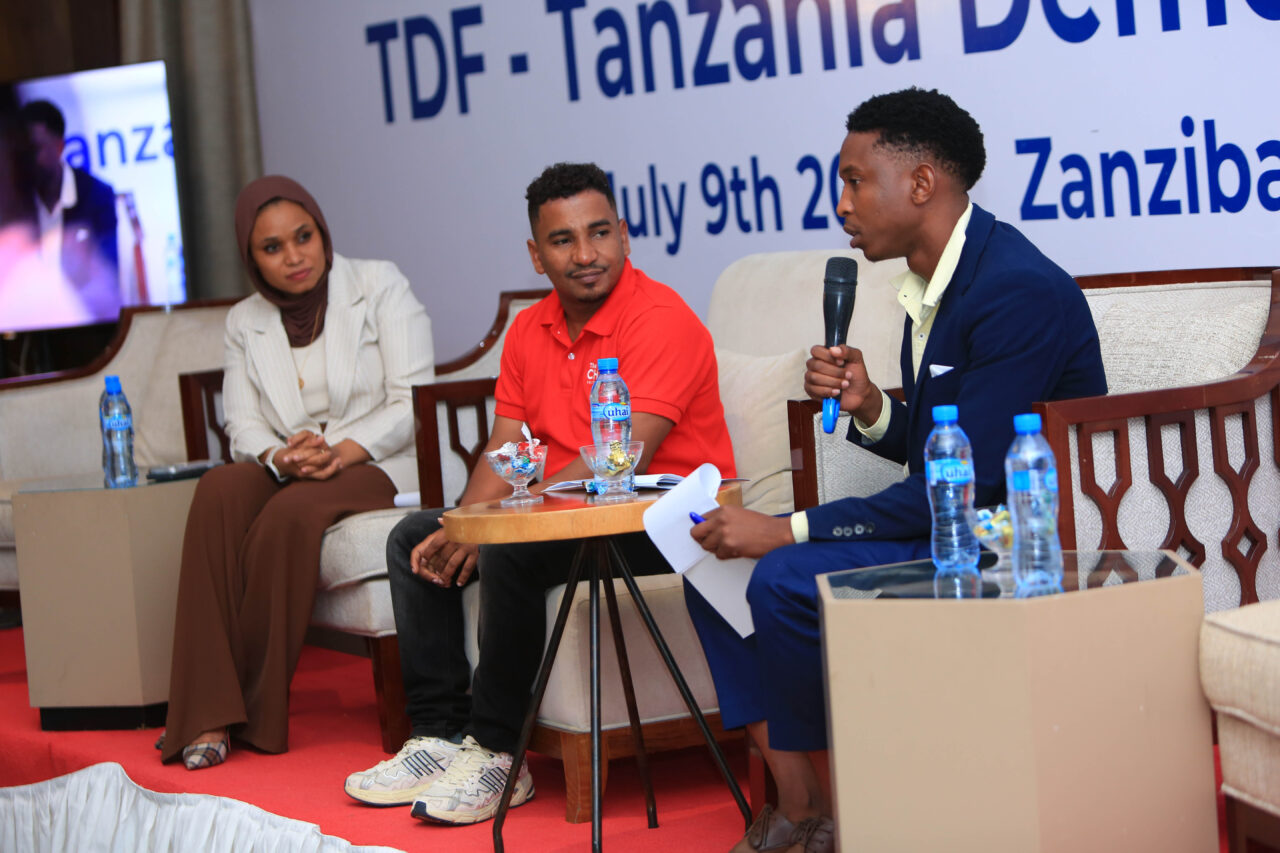
The forum’s closing keynote, delivered by writer and artist Ali Bahroon, examined Tanzania’s efforts to build national cohesion, reflecting on how the cohesion project has fared under pressures of political centralisation and the particular alienation of young people from institutions meant to bind them to national life.