
Dar es Salaam. The Mwalimu Julius K. Nyerere Professorial Chair in Pan-African Studies at the University of Dar es Salaam (UDSM), in collaboration with the Rosa Luxemburg Foundation East Africa, has launched the East African Youth Summer School Programme 2026 (EAYSS 2026), an initiative aimed at nurturing young leaders inspired by the legacy and ideals of Mwalimu Julius K. Nyerere.
The six-week programme brings together 30 young participants drawn from universities and higher learning institutions in Tanzania from different academic disciplines.
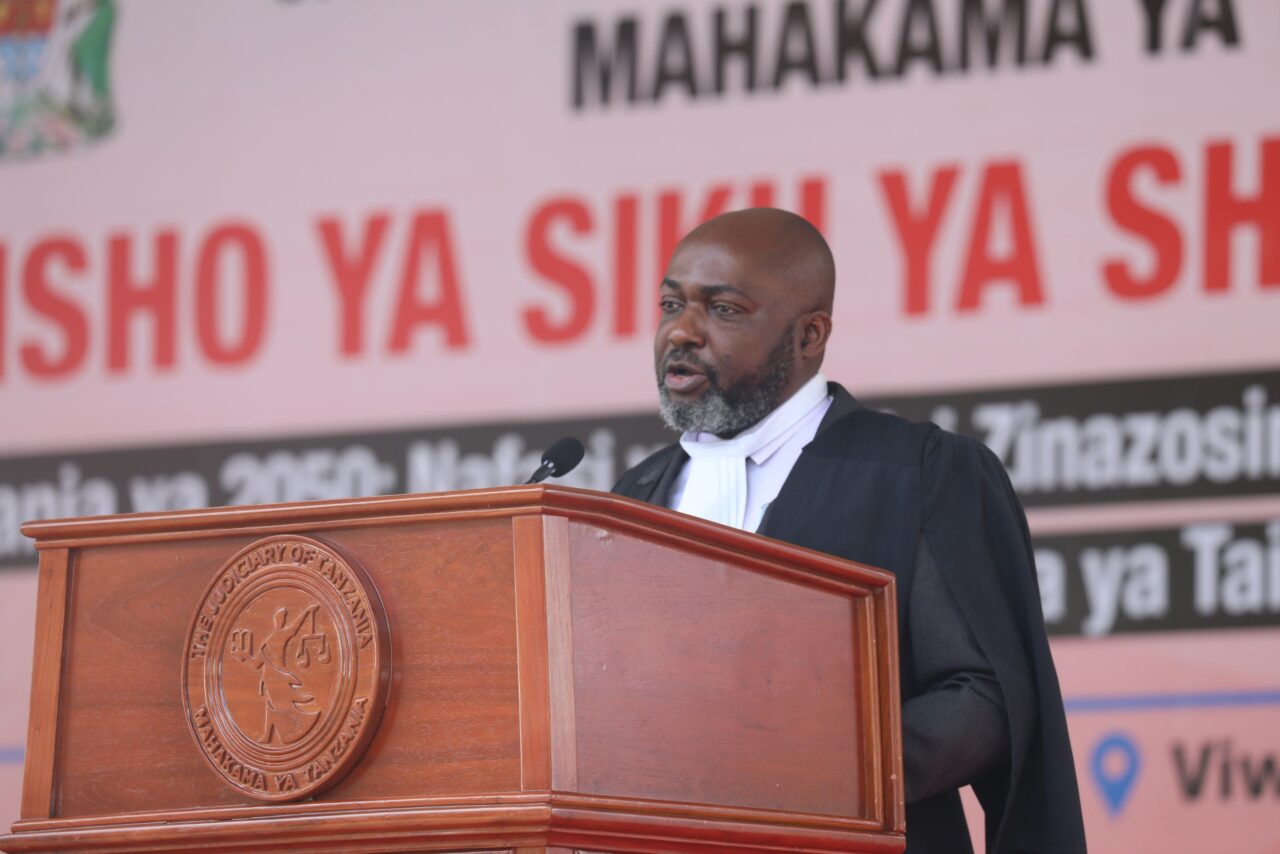
Speaking during the launch ceremony in Dar es Salaam, Chairperson of the Mwalimu Nyerere Professorial Chair, Professor Alexander Makulilo, said the programme was conceived in response to the need to prepare young people, who constitute a significant proportion of society, to understand themselves and participate meaningfully in economic, social and political affairs.
Professor Makulilo said young people require guidance and mentorship to help them make informed decisions and develop into responsible leaders of today and tomorrow.
“It is important to prepare young people well so that they can understand themselves and participate appropriately in various social, economic and political activities,” he said.
He revealed that about 120 young people applied for the programme, but only 30 were selected following a competitive process.
The programme combines academic lectures, discussions and practical learning opportunities. Participants will interact with people and institutions and visit different places to gain practical exposure and connect classroom knowledge with real-life challenges.
Professor Makulilo said the programme was particularly designed to encourage critical thinking and problem-solving rather than rhetoric.
“We want to prepare people intellectually so that they can think deeply instead of making noise. They should be able to seek solutions to problems rather than simply making noise,” he said.
Representing the UDSM Chancellor at the launch, Deputy Vice Chancellor–Academic, Professor Rose Upor, urged participants to take full advantage of the opportunity.
She encouraged them to learn not only from scholars and practitioners but also from one another, noting that their different universities, academic disciplines and experiences could provide new perspectives on common challenges.
Professor Upor also challenged the participants to use the knowledge gained from the programme to benefit their universities and communities rather than focusing solely on personal advancement.
“The purpose of education is weakened when everything we learn is directed only towards our personal advancement. Education becomes more valuable when it also equips us to improve the lives of others,” she said.
She further called on the participants to embrace responsible citizenship and think beyond national borders, stressing that East Africa’s growing interconnectedness requires young people who can work together across countries and institutions.
To sustain the programme beyond the six-week school, the Mwalimu Nyerere Professorial Chair plans to establish an alumni network through which participants can access future opportunities, remain connected and continue contributing to development initiatives across East Africa.
Rosa Luxemburg Foundation East Africa Office Head Katrin Voss described the partnership as a meaningful collaboration, saying the foundation was not merely supporting the programme financially but was also contributing to its academic content.
Meanwhile, EAYSS 2026 participant Fransica Ndugurum said the programme had already changed her understanding of leadership.
“The biggest thing I have learned so far is that leadership is not something a person is born with; it is something that one continues to learn,” she said.