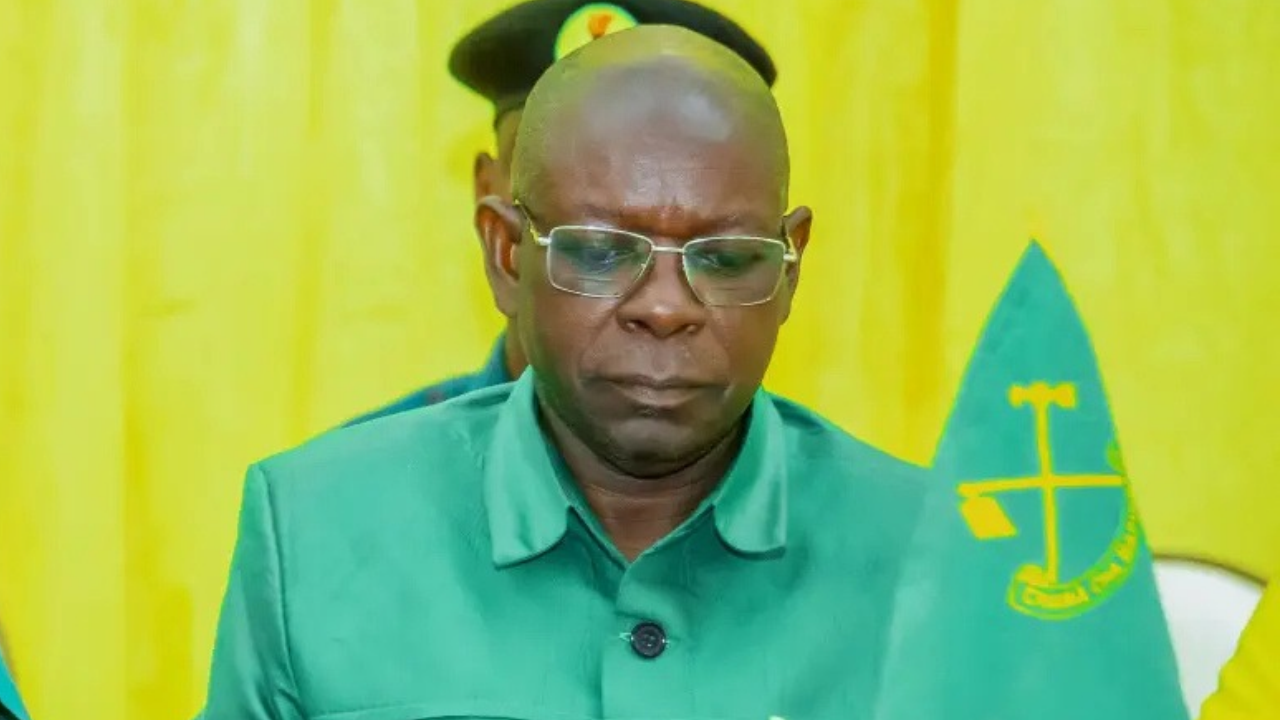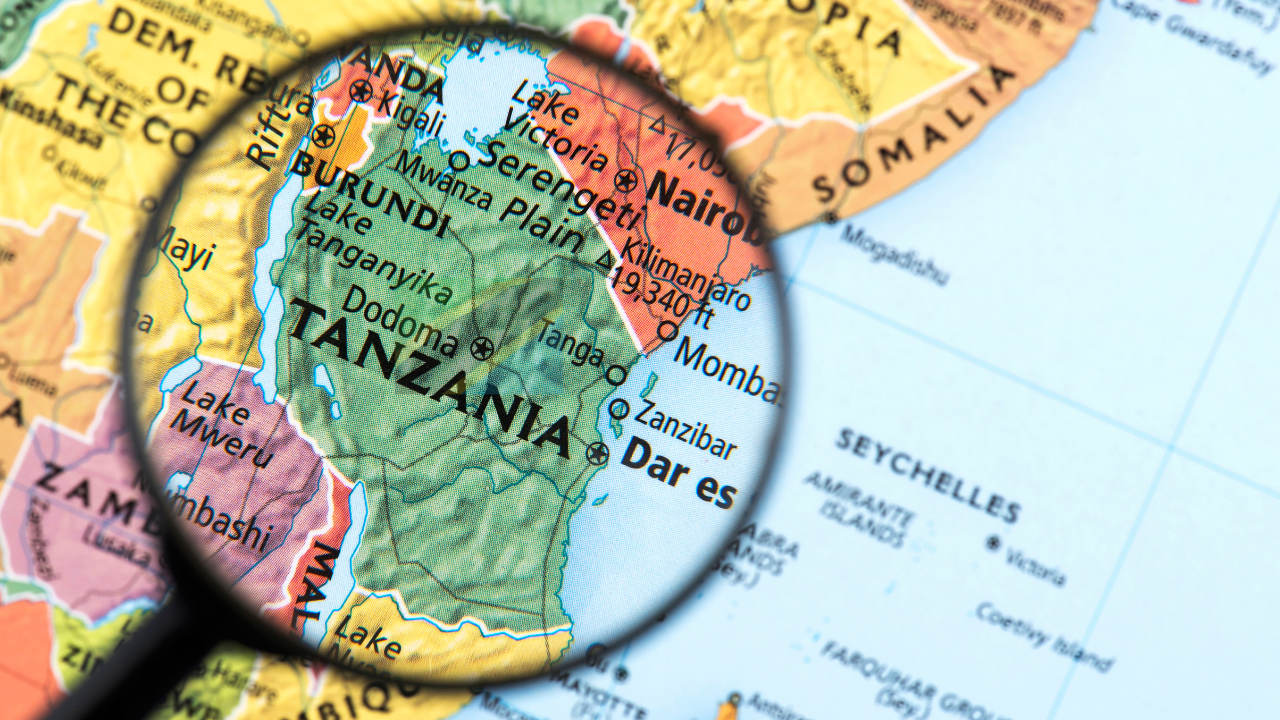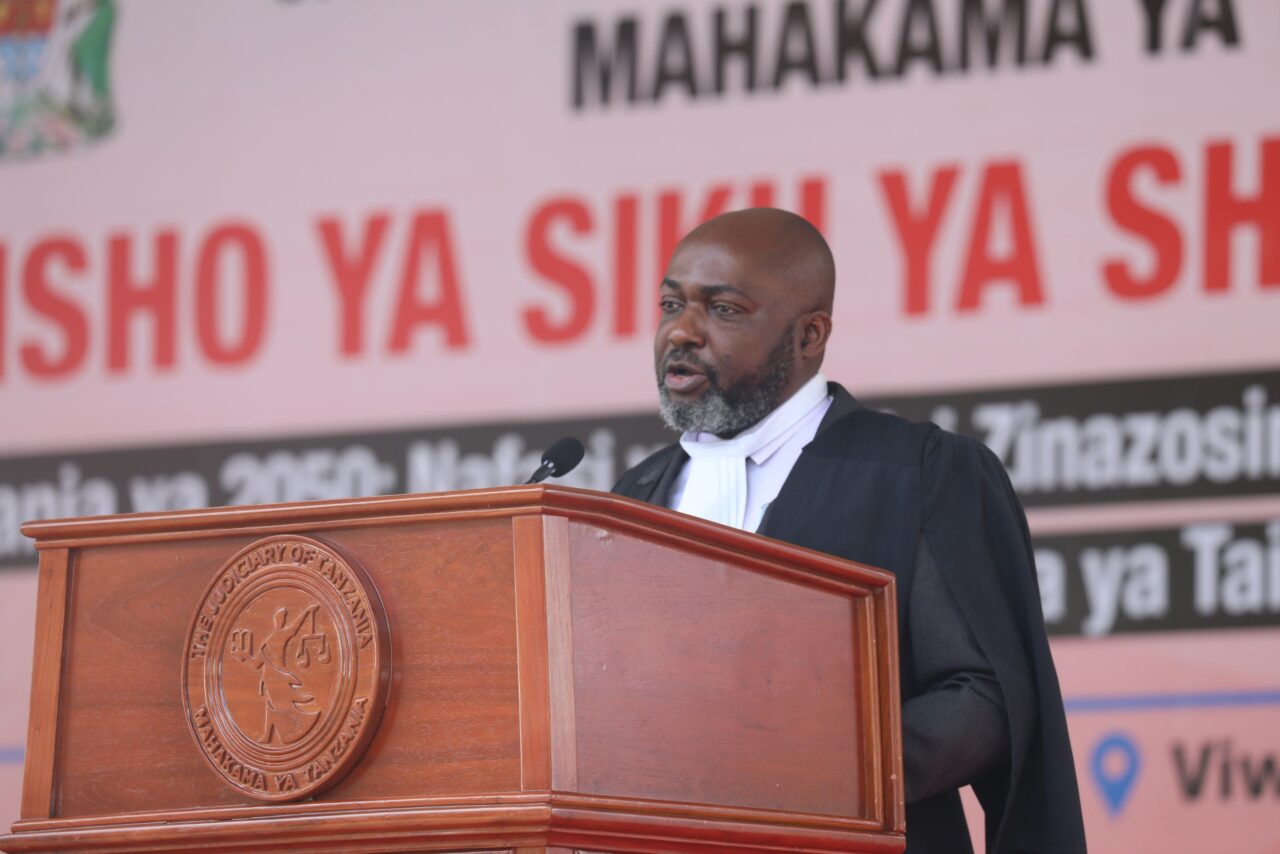

Geita – The government has prepared a Mineral Value Addition Strategy for 2026/27 to 2030/31, Deputy Minister of Minerals Dr Steven Kiruswa said as he opened the ninth National Exhibition of Technology and Investment in the Mining Sector in Geita.
Kiruswa said the strategy is intended to strengthen domestic processing, beneficiation and refining, expanding jobs and business opportunities for Tanzanians in mining and its supply chains. The initiative will be pursued with the Tanzania Investment and Special Economic Zones Authority.
The exhibition, held at the Dr Samia Suluhu Hassan Grounds in Bomba Mbili, Geita, is scheduled to run from September 23 to October 3. Its theme is: ‘Minerals are wealth, let us take collective responsibility to achieve the National Development Vision 2050.’
Kiruswa said the sector should create opportunities not only in extraction, but also in geological research, equipment, goods, services and value addition.
He said the exhibition should be “a catalyst for turning commitments into projects, partnerships and measurable results,” while calling for compliance with mining law, mine safety, environmental standards and benefits for host communities.
READ MORE: Government Halts Mining Operations, Orders Nationwide Review of Foreign Support Agreements
The government has long pursued domestic value addition, and the 2009 Mineral Policy identifies beneficiation, refining and mineral-based manufacturing as routes to higher incomes and employment.
The Mining Act also provides for domestic processing and local-content obligations, including preference for qualifying Tanzanian goods and services.
What is new is the Ministry’s stated preparation of a five-year strategy to bring those ambitions together. However, the full strategy, a costed implementation plan, performance targets and a dedicated budget had not been publicly released in the official material reviewed for this story.
Kiruswa said mining contributed 10 per cent of gross domestic product in the last financial year, that minerals accounted for more than 56 per cent of foreign currency entering the country, and that small-scale miners contributed 40 per cent of government mining revenue.
Official national accounts put mining and quarrying at 10.3 per cent of GDP in calendar year 2025. Bank of Tanzania data show minerals accounted for 53.5 per cent of goods-export earnings in the year ending July 2026, while gold alone accounted for 47.4 per cent.
READ MORE: Historic Niobium Mining Deal Set to Reshape Global Supply Chain
The Ministry has separately said small-scale miners contribute 40 per cent of government collections from mining, although it has not published the underlying calculation.
Their economic importance is nevertheless substantial: the 2023/24 EITI report records small-scale gold output valued at Sh2.57 trillion, about 24.3 per cent of recorded mineral-production value that year.
Kiruswa also urged more Tanzanian participation in local supply chains and announced a goal of expanding high-resolution airborne geophysical survey coverage from about 16 per cent to at least 50 per cent of the country by 2030.
About 765 public- and private-sector stakeholders were reported to be taking part in the exhibition.
The emphasis on processing reflects Vision 2050’s call for downstream mineral industries, technology transfer and jobs. But studies caution that beneficiation is mineral-specific and depends on reliable power, transport, capital, skills, technology and sufficient feedstock, rather than simply restricting exports of raw minerals.
Stakeholders think the test now will be whether the new strategy translates those conditions into viable projects and measurable benefits for miners, suppliers and communities in mineral-producing areas.