
Dar es Salaam — Tanzania has taken a step towards developing a railway linking Mtwara Port with mineral-rich southern regions and Mbamba Bay on Lake Nyasa after Tanzania Railways Corporation (TRC) signed an agreement with Egypt’s state-owned construction company, Arab Contractors, to conduct preliminary studies and a feasibility assessment.
The proposed Southern Corridor Railway Line, estimated at approximately 1,000 kilometres, aims to facilitate the transportation of minerals, agricultural produce and industrial goods while improving access to regional markets. A branch is also planned to serve the Mchuchuma coal and Liganga iron ore projects.
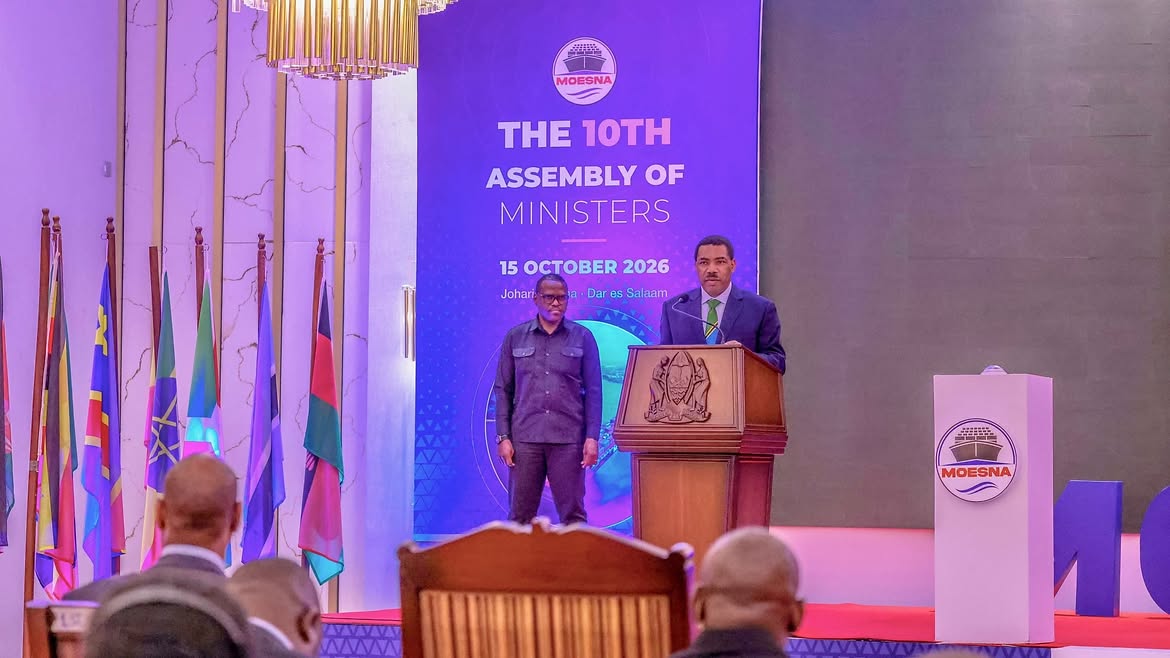
Speaking during the signing ceremony, Friday, October 16, 2026, TRC Director General Machibya Shiwa said the agreement establishes a framework for technical and financial studies, including an assessment of possible financing options for the project.
“Under the agreement, Arab Contractors will undertake preliminary studies at its own cost and is expected to submit an initial report within three months,” said Machibya, “TRC will provide technical information, coordinate relevant institutions and review the findings.”
Transport Minister Professor Makame Mbarawa said the railway could unlock economic opportunities in southern Tanzania by connecting agricultural production areas, mineral deposits and industrial projects with Mtwara Port.
READ MORE: Tanzania, Burundi Kick Off Landmark Standard Gauge Railway Project
He directed both parties to establish a work plan defining responsibilities, expected results and implementation timelines. He also stressed that the studies must examine actual freight demand, construction costs, financing options and the long-term sustainability of railway operations.
“The agreements being signed today constitute a preparatory step for this important project,” Mbarawa said, adding that the studies should establish transport requirements, economic benefits and possible financing arrangements.
Reviving the Mtwara Development Corridor
The proposal also revives ambitions associated with the Mtwara Development Corridor, a regional initiative advanced by Southern African Development Community (SADC) leaders in 2004 to promote trade and investment among Tanzania, Malawi, Mozambique and Zambia.
The initiative envisaged coordinated infrastructure development, including roads, railways, ports, bridges, energy networks and telecommunications, to connect previously underserved areas with regional and international markets.
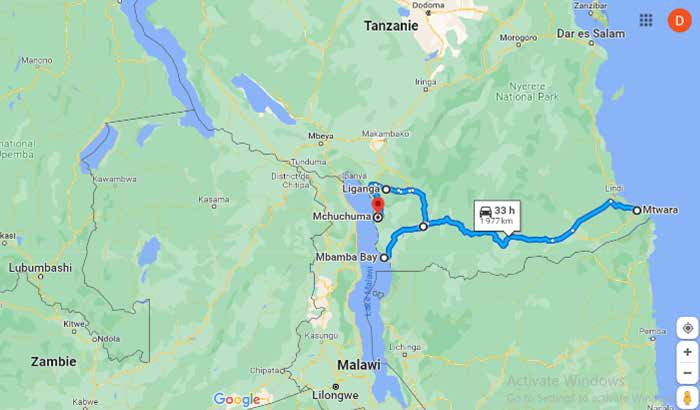
Proposed projects included the Unity Bridge across the Ruvuma River between Tanzania and Mozambique, improved transport infrastructure connections between Mtwara and Mbamba Bay, and transport links across Lake Nyasa. Energy cooperation and the development of Mchuchuma’s coal reserves were also identified as potential drivers of regional growth.
READ MORE: AfDB Approves Over $600m for 650-Kilometre Tanzania, Burundi Rail Infrastructure
More than two decades later, the Southern Corridor Railway could help realise part of that vision. Yet its regional benefits will depend on complementary investments and cooperation with neighbouring countries.
A connection to Mbamba Bay could facilitate onward transportation towards Malawi and Mozambique, while Mtwara Port could offer regional businesses another gateway to international markets.
Building on railway expansion
The proposed southern line would complement Tanzania’s broader railway development programme, including the Standard Gauge Railway network connecting central Tanzania with destinations such as Mwanza and Kigoma.
While those investments strengthen transport along the country’s central axis, the Southern Corridor Railway would focus on connecting southern production centres with the coast and neighbouring markets.
Arab Contractors brings experience from major infrastructure projects in Tanzania, having participated in the consortium involved in implementing the 2,115-megawatt Julius Nyerere Hydropower Project. However, its current agreement concerns feasibility studies and does not constitute a construction contract.
Beyond minerals, improved railway access could support agricultural trade, industrial investment, employment and tourism. The corridor encompasses attractions including Lake Nyasa, the Kitulo Plateau, Selous Game Reserve, Indian Ocean beaches and marine parks.
Nevertheless, these benefits will require complementary investment, local skills development, environmental protection and meaningful community participation.