
Morogoro – Editors have asked the government to establish a Sh10 billion low-interest loan fund for media houses and reform powers allowing newspapers to be suspended without an initial court decision, arguing that financial survival and legal independence are essential to journalism’s public role.
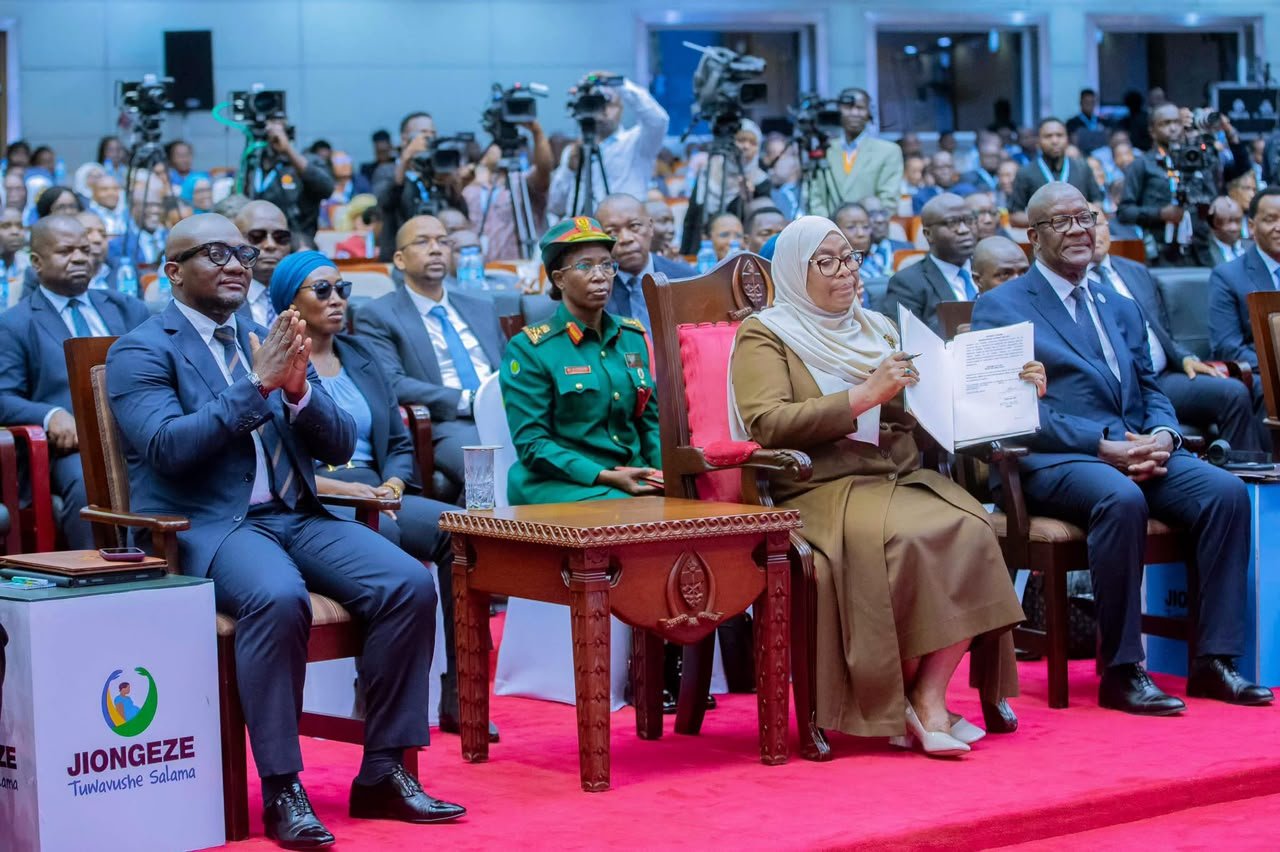
Prime Minister Mwigulu Nchemba agreed to convene discussions on financing and unpaid government bills, while referring the proposed legal changes for wider consultation and advice from the Attorney General. He did not announce approval of the fund or a timetable for amending the law.
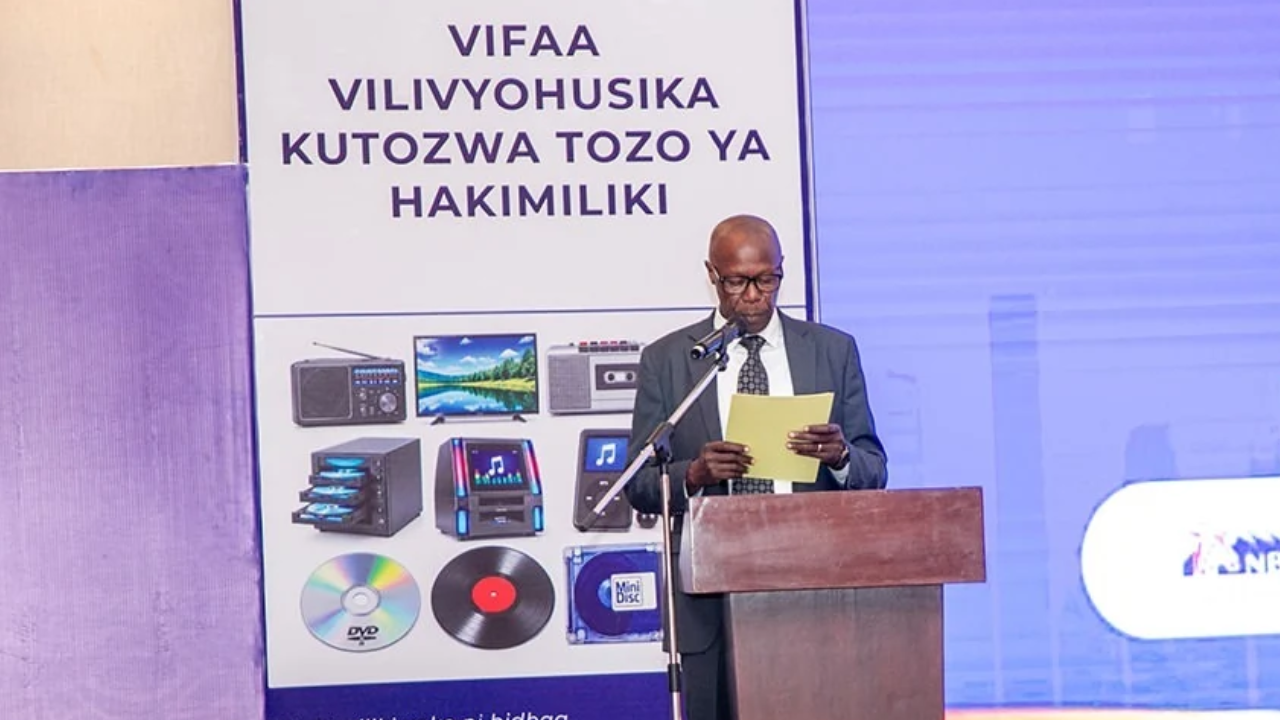
The proposals dominated the opening of the ninth annual Tanzania Editors’ Forum (TEF) conference in Morogoro on November 26, 2026, where participants also examined professional training, national unity and the delivery of public programmes.
The meeting coincided with Joyce Shebe’s election as vice-chairperson, succeeding Bakari Machumu, who now serves as State House communications director.
Financing journalism
TEF chairperson Deodatus Balile said declining advertising income, rising production costs and technological changes had weakened media businesses. He presented the proposed fund as capital to invest and repay, rather than a request for grants.
The money would support alternative income-generating projects, better technology and professional training, alongside improved salaries and health insurance for journalists, he said.
READ MORE: Tanzania Media Leaders: Justice for Attacked Journalists Remains Elusive
“We are not asking to be supported indefinitely. We are asking to be enabled to support ourselves,” Balile told the Prime Minister.
He also sought action on unpaid government advertising bills, saying some institutions had complied with President Samia Suluhu Hassan’s earlier payment directive while others remained indebted. Local government authorities accounted for more than 80 per cent of the debt he was discussing, he said.
Balile asked public institutions to pay promptly and stop demanding discounts of 70 per cent from media houses’ published advertising rates. Nchemba referred to approximately Sh18 billion in outstanding media debts and said discussions would involve the Finance Ministry and officials responsible for regional administration and local government.
The Prime Minister said he would bring together TEF’s executive committee, the information ministry and several banks to examine a workable financing arrangement. He described the loan proposal as useful but said its implementation model needed discussion.
On arrears, he distinguished genuine budget constraints from officials simply failing to prioritise payment for services already delivered. “This is not assistance or a subsidy. The work has been done,” Nchemba said.
The concerns extend beyond newspapers. In an August discussion on private broadcasting, National Independent Broadcasters Association chairperson Amos Ngosha described station closures, regulatory costs and staff departures, alongside demands by government agencies for unpaid airtime.
TEF’s own financial dependence surfaced at the end of the day, when Balile responded to members’ suggestions that the forum hold meetings without lengthy presentations from sponsors.
“If they do not come, we will not meet,” he said, explaining that such arrangements would continue until TEF developed investments capable of financing 60 to 80 per cent of its budget. He put the forum’s annual budget at more than Sh700 million.
Licensing powers
Balile called for changes to section 9 of the Media Services Act, which gives the Director of Information Services powers over newspaper licensing, including suspension and cancellation. He argued that decisions affecting a publication’s survival should be subject to fair, transparent and independent adjudication.
He also urged faster establishment of an independent media council, saying the information director should not combine the roles of complainant, prosecutor, decision-maker and enforcer.
“We are not saying media houses should be above the law. We are saying the law should protect us all fairly,” Balile said.
The government-published Act provides an appeal to the information minister and subsequent recourse to the High Court. The editors’ objection concerned the power to impose the initial sanction administratively, rather than an absence of any later avenue of challenge.
The issue has practical consequences. In August, authorities suspended the licence of Mwanahalisi for six months over reporting alleging that then-Vice-President Emmanuel Nchimbi faced pressure to resign.
The Information Services Department cited failures of accuracy and balance, including an incorrectly captioned photograph, and said the publisher had received warnings and an opportunity to explain its conduct.
At the Morogoro meeting, Nchemba said the legal proposals required broader government discussion and the Attorney General’s advice. He expressed confidence that agreement could be reached but asked to take the matter away for consideration.
Balile praised what he described as improved conditions under President Samia, saying arrests of journalists had fallen sharply. However, a separate UNESCO-backed dialogue in October heard concerns about unresolved attacks and incomplete remedies, while a government representative defended cooperation with media organisations and said reform was continuing.
Balile drew a distinction between enabling journalism and directing its output.
“We are not asking the government to write our stories or decide what we publish,” he said. “We are asking for an environment in which we can work freely, professionally and independently as media businesses.”
Skills and unity
The conference’s theme linked journalism to national unity and young people’s economic opportunities under Development Vision 2050. Balile said TEF planned to use experienced and retired editors to mentor younger journalists and strengthen the distinction between verified reporting and information circulating online.
He warned that technological change had overtaken existing skills and parts of journalism training, requiring investment in journalists, lecturers and curricula. Traditional outlets and social platforms needed better cooperation in distributing reliable information, he said.
Machumu advocated “constructive journalism” that went beyond identifying wrongdoing to examine solutions and give audiences a fuller picture. Drawing on his experience in editorial leadership, media management and government communications, he argued that a narrow perspective could miss important developments and competing interests.
Nchemba asked journalists to explain private-sector investment and employment opportunities, saying the government could not employ every graduate. He also urged reporting that reinforced national belonging rather than assigning collective blame for individual offences.
Referring to farmer-herder tensions and retaliatory killings, he said wrongdoing should be dealt with through the law, not treated as the responsibility of an entire occupational group. Tanzanians who followed the law had the right to live in any part of the country, he said.
Testing delivery
Editors’ questions to public institutions focused on whether announced programmes would translate into accessible services. They pressed the Tanzania Petroleum Development Corporation (TPDC) on prolonged exploration, project budgets and timetables, private-sector participation and the pace of household gas connections.
TPDC said household natural-gas connections could cost Sh2 million to Sh6 million, making partnerships important rather than expecting families to bear the full expense. It defended the time taken by exploration as a consequence of geological assessment and substantial investment requirements.
READ MORE: Media Stakeholders Call for Legal Protection of Vision 2050
Education reform prompted questions about teacher shortages, crowded classrooms and preparations for two primary-school cohorts entering Form One together in 2028, as six-year primary education replaces the previous seven-year cycle.
Education ministry planning and budget officer Martin Zarumo acknowledged shortages and said phased infrastructure development and teacher preparation were intended to meet the additional demand. Editors also asked about civic education, critical thinking and practical skills.
Social-protection discussions raised workers’ awareness of occupational-injury compensation, employers’ responsibilities and whether pensions adequately reflected living costs. Fund representatives explained claims procedures and the statutory basis for benefits.
Shebe enters TEF’s leadership amid those professional and organisational demands, having won 88 votes against Salome Kitomari’s 53. All 141 votes cast were valid.
“I believe this position is not only an honour, but a responsibility that I must carry in serving you,” Shebe said, pledging to work with the chairman, executive committee and members to implement the forum’s goals.