
Tarime. When a local agricultural officer urged the youth of Tarime to embrace farming as the solution to their unemployment woes, the response was swift and cynical.
“We want to farm,” one young man shot back, “but farming requires capital, fertiliser, and seeds. How are you helping us when we don’t even have land?”
This exchange, which occurred during a recent youth dialogue in Saba Saba ward, encapsulates the deep frustration felt by young people in one of Tanzania’s most fertile regions.
The session, recorded on May 23, 2026, and published on June 5, was the eighth episode of the Dira Mtaani: Vijana Wanasemaje programme, organised by The Chanzo and Twaweza East Africa.
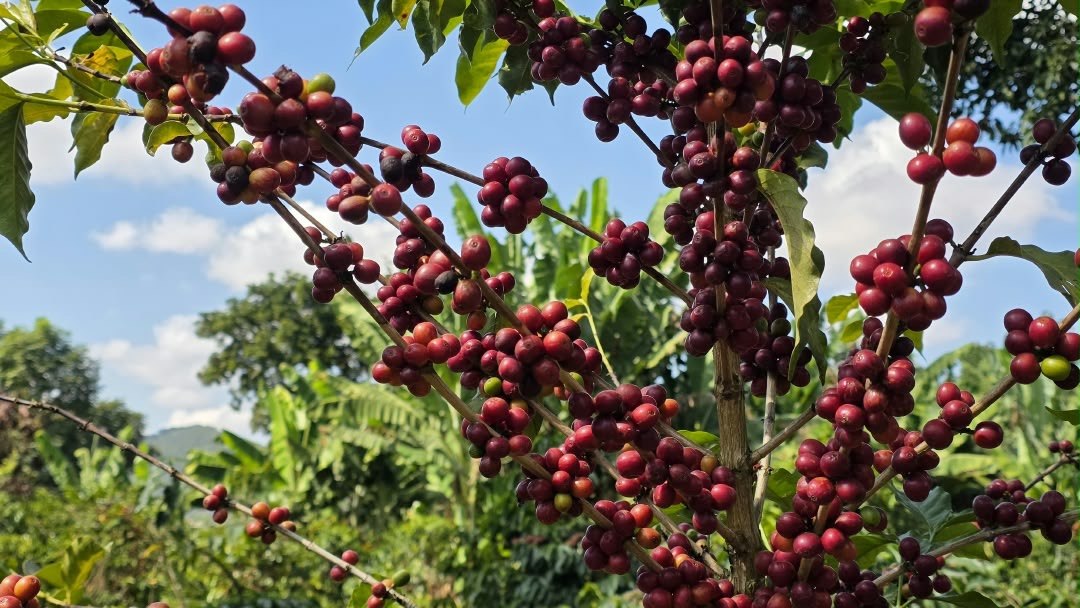
Tarime is renowned for its agricultural potential, with vast tracts of land available for smallholder farming. Yet, the youth in the dialogue described an environment where engaging in agriculture is nearly impossible for those starting from nothing.
READ MORE: How Bureaucracy Locks Tarime’s Poorest Youth Out of Empowerment Funds
“Research shows that many youth do not like agriculture; if you go to the farms, you find it is the elders doing the farming,” noted the agricultural officer who was present at the discussion.
He pointed out that the national Development Vision 2050 aims to have 65 per cent of youth engaged in modern agriculture.
However, other participants quickly dismantled this optimistic view. They argued that the barriers to entry are insurmountable without government support.
When the officer suggested that landless youth could simply rent land from others, the participants scoffed, pointing out that renting land requires the very capital they lack.
The youth linked their inability to succeed in agriculture and business directly to the failing education system. One participant passionately argued that the current curriculum leaves students entirely unprepared for practical survival.
“We are told we need agricultural education, and it’s true we do,” he said. “But we must agree that right now, children are ending up in standard six. What kind of education does a standard six dropout have? Someone who finished standard four in the old days has more education than someone finishing standard seven today.”
This educational deficit leaves youth vulnerable to exploitation. Another participant noted that local farmers often lack the knowledge to market their crops effectively.
READ MORE: Why Tarime’s Youth See No Shine in Nyamongo’s Wealth
“Farmers grow their crops, but people from neighbouring countries come, set up their machines, and harvest the crops,” she explained. “The farmer doesn’t benefit, and the locals don’t benefit because the produce goes outside.”
This observation aligns with recent efforts by some actors to improve market infrastructure in Tarime, such as the Remagwe strategic market, to help farmers achieve fair prices.
The inability of the government to address these fundamental economic challenges has led to a profound crisis of faith in the democratic process. The youth described a system where public meetings are merely “theatre,” and complaints vanish into a bureaucratic void.
“We take these issues to the [village] chairperson, and they listen. But it has become like a repetition, like acting—that every day we must repeat, repeat, repeat,” one participant lamented.
“The issues arrive, but the problem is the person receiving them cannot act on them, or takes them to the next level of leadership, and they do nothing.”
READ MORE: ‘Just to Live’: Broken Loans and Silent Leaders Leave Musoma’s Youth With No Faith
This unresponsiveness has bred deep apathy. “We have reached a point—I won’t hide it—where if leaders call a meeting, we don’t go,” another youth confessed. “Because we know whatever we say there will end right there, and nothing will be done. It’s better to just mind your own business and let life go on.”
The dialogue also touched on the broader political environment in Tanzania, where civic space has been rapidly shrinking, limiting citizens’ ability to influence the direction of their country due to restrictions such as those imposed on freedom of expression.
“The foundation of the Vision says democracy, justice, and freedom. Let me say openly that where we have reached as a nation, this foundation has become difficult for us citizens, especially youth, to implement,” one female participant stated bluntly.
“Youth have become afraid to take our arguments to the relevant authorities… because we all witness what happens if you speak too much about things that build the country—we know what will happen to you.”
READ MORE: No Factory, No Future: Musoma’s Youth Are Left with Two Bad Options
As Tanzania looks toward its Development Vision 2050, these voices from Tarime, which echo those of other young people from across the country, offer a stark warning: without genuine democratic engagement and practical economic support, the youth will continue to view national development plans as nothing more than empty promises on paper.