
President Samia Suluhu Hassan has warned activists whom she described as “activists by name” that the state will take action to defend itself and its people over actions she linked to terrorism.
The President made the remarks on July 9, 2026, during the signing of an agreement between the ruling party and opposition party ACT Wazalendo in Zanzibar.
“I would also like to use this opportunity to warn all those who call themselves activists by name in order to gain recognition internationally, but whose actions are, in reality, acts of terrorism,” President Samia cautioned.
“People in this group often use rhetoric that appears patriotic, but beneath the surface, it is driven by personal interests. Anyone who truly loves their country builds it rather than destroys it,” she added.
President Samia went on to define terrorism, highlighting that it includes acts that seriously disrupt peace, destroy property and infrastructure, and are intended to intimidate society or coerce the government into accepting the demands of certain individuals or groups for political, ideological, or religious objectives.
“However, given the direction the world is taking today, such acts may also be intended to hold back a country that is developing rapidly,” she said.
President Samia’s caution came two days after July 7, when many Tanzanians stayed at home following calls for demonstrations announced on social media and the government’s warning of a crackdown.
The demonstrations were called by activists on social media, with police claiming that those planning the protests intended to kill government leaders and security officials, as well as burn schools and damage electricity infrastructure.
Activists who called for the demonstrations maintained that the protests were peaceful and aimed at demanding accountability over the killing of citizens during the October-November 2025 election fallout, as well as calling for political reforms in the country. The protest did not happen, but many businesses were shut down, making many towns quiet on the day.
“I urge Tanzanians to stand together for the development of our nation, rather than allowing it to be weakened to satisfy the interests of a few individuals whose livelihoods, both abroad and even here at home, depend on payments for causing unrest or destabilizing their own country for the benefit of others,” President Samia said.
The Tanzanian government has maintained that calls for demonstrations are part of a foreign conspiracy aimed at taking control of the country’s resources.
“I want to assure Tanzanians that your government remains steadfast in protecting its citizens and their property. Acts of terrorism are unacceptable, not only in Tanzania but throughout the world,” President Samia said.
“Therefore, I once again warn all those involved in such activities that every nation in the world uses the authority of the state to protect its citizens and defend its national dignity. As Tanzania, we will not hesitate to do the same,” she added.
Debate
President Samia’s remarks have sparked debate across various sections of society. The comments came at a time when stakeholders were discussing the state of democracy at the Tanzania Democracy Forum held in Zanzibar on July 9, 2026, where several participants addressed the issue.
“Nyerere was an activist. Was he not an activist? Amani Karume was an activist. Was he not an activist?” asked Bishop Benson Bagonza, one of the speakers at the discussion. “And these are the fathers of our nation. How do we begin to demonise activism when our nation was built by activists?”
Some participants argued that the rise of independent activists is partly linked to restrictions placed on formal institutions such as political parties, which limit their ability to organise and mobilise.
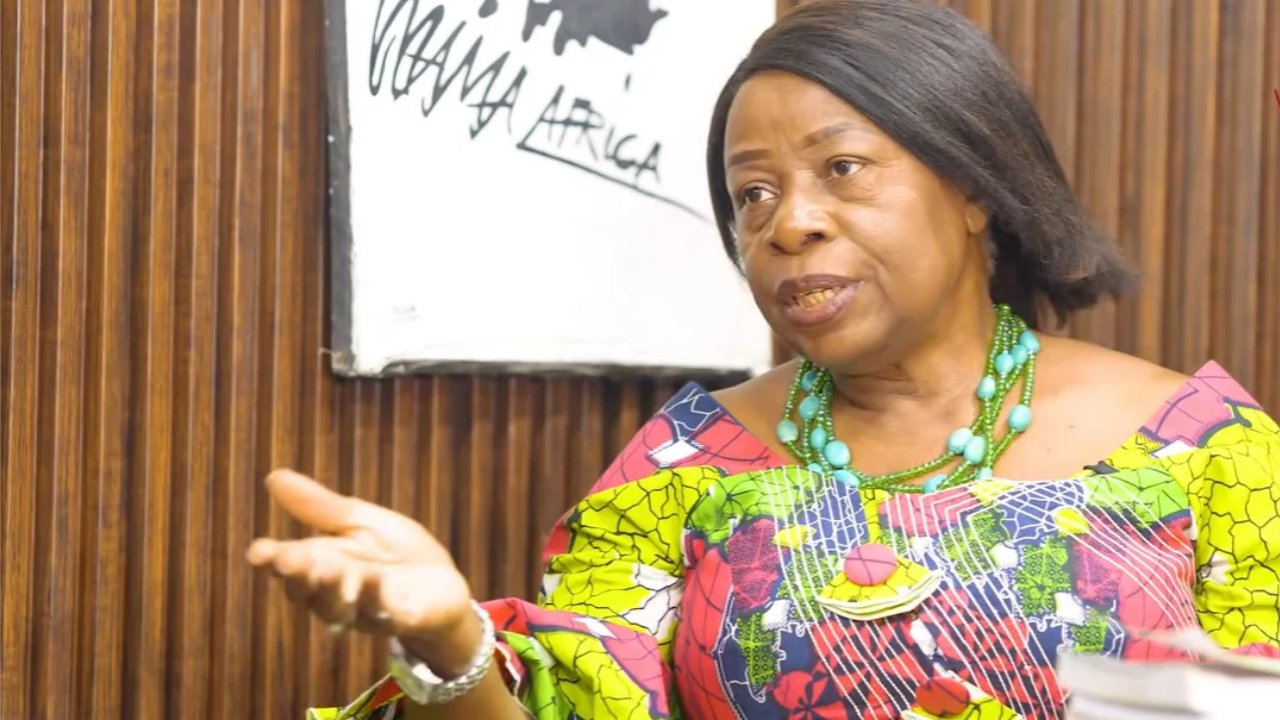
“My name is Jebra Kambole. I am a human rights activist, and I feel proud to be called an activist. I am not afraid, nor do I feel intimidated, by being referred to as an activist,” lawyer and human rights activist Kambole said during the forum.
“Activists are us. We are the people who are on the streets; we are the people in our homes and communities. And why do activists sometimes appear to lead the agenda? It is because they speak about people’s issues,” Kambole emphasised. “So, if you prevent political parties from engaging in politics, then let activists speak. Let them be heard.”
Stakeholders also highlighted that changes in technology have transformed how activists interact with the world, with a smartphone now being enough to organise and communicate widely. Some contributors questioned why activism is sometimes discouraged even within spaces that would traditionally be expected to support it, including civil society organisations.
“We have criminalised activism. That is what I am saying now, and I say it with emotion because I have personally been a victim of it. I was arrested and detained for more than 12 hours simply for being asked whether I knew certain people,” Advocate Barnabas Pascal Nyalusi said.
He added: “I was asked, do you know this person and that person? I replied that I know them. They asked, do you know they are activists? I asked, is activism criminal? Show me in the Criminal Code where being an activist is a criminal offence.”
Opposition Query
Speaking to the press on Friday, July 10, 2026, CHADEMA Secretary General John Mnyika criticised the President’s remarks, arguing that the government has increasingly used terrorism-related accusations when addressing civic issues.
“The statement by the President, whose election we do not recognise, claiming that activists are involved in terrorism is a very dangerous statement. If left unchallenged by human rights defenders across the country, it could have serious consequences,” Mnyika said.
“I say this because, following reports about the July 7 demonstrations that were announced on social media, as I speak now, there are CHADEMA leaders and members who are still being held at police stations. Others have been beaten and injured,” Mnyika explained.
Mnyika mentioned CHADEMA members including Nusura Kihiyo, Neema Chozaire, Noah Mwalwange, Gwamaka Mboka, and Wasinyo as among those who have been arrested and are being held by police.
“During the beatings, some were allegedly forced to write statements claiming that they had planned terrorist acts. They were also allegedly forced, through beatings, to mention the names of some CHADEMA leaders,” he said.
Mnyika also claimed that there is frequent use of “agent provocateurs”, individuals who plant information in spaces used by activists to create justification for action by authorities.
“The fact that these incidents occurred a few days before the President made statements about activists and terrorism creates a connection, suggesting that it is entirely possible there may have been directives from within the government to frame terrorism charges against CHADEMA leaders,” Mnyika emphasised.
Police have reported arresting about 130 people in connection with the Saba Saba demonstrations. In a statement, police claimed that the alleged plans included killing leaders and civilians, setting schools on fire, destroying electricity transformers to plunge parts of the country into darkness, looting public and private property, and attacking members of the security forces to seize firearms.