
Dar es Salaam — One year after the violence that followed the October 29, 2025 general election, a coalition of civil-society organisations says the country has yet to deliver the truth, accountability and practical support owed to victims and their families.
“One year after the events of October 29, 2025, the pain of the victims has not ended, and justice has not been achieved,” the seven organisations said in their joint statement, released on the anniversary. “Returning to ordinary activities and normal life does not mean that everything is fine.”
The statement was signed by the Legal and Human Rights Centre, JamiiAfrica, Tanganyika Law Society, Foundation for Civil Society, Msichana Initiative, Twaweza and Internet Governance Tanzania Working Group.
It calls for a victims’ support fund, credible accountability, answers for families of missing people, reforms to protect civic and digital rights, and a public timetable for implementing recommendations.
Its most immediate symbolic demand is for October 29 to be made an annual national day of remembrance and mourning.
READ MORE: Kivulini Talks – One Year After October 29: ‘There’s Still a Debt of Truth to Be Settled’
The organisations said a commemoration should honour those killed and those still unaccounted for, while helping the country confront the causes and consequences of the crisis.
The official record
The earlier fact-finding inquiry chaired by retired Chief Justice Mohamed Chande Othman found that at least 518 people were killed and more than 2,000 injured during and after the election violence. It said the death toll was not final or conclusive.
Among its recommendations was that the government establish a national mourning day for more than 500 people who died.
It also proposed psychological and social support for affected communities, a reconciliation mechanism, constitutional reform and a separate criminal inquiry into matters requiring accountability.
The Chande Commission’s recommendation has not become a publicly declared October 29 observance.
The Prime Minister’s Office guide to national observances does not list the date, and no state mourning declaration, official memorial ceremony or public anniversary message was found on the presidency and Prime Minister’s Office channels reviewed by October 30.
That, however, does not rule out activity not publicly recorded. But it means the government’s visible response to the anniversary has remained centred on the inquiry process, rather than a formal commemoration.
A second inquiry
President Samia Suluhu Hassan established the six-member commission chaired by retired Court of Appeal Justice Shaban Ally Lila after the Chande inquiry advised a deeper criminal investigation.
Its task is different from the first commission’s: it is to identify those who planned, financed, coordinated or carried out violence, examine deaths and missing-person cases, investigate alleged excessive or unlawful force, and recommend accountability measures.
“This commission will delve deeper to find out exactly who instigated, who was involved, and who provided funds,” President Samia said when launching the body in August.
READ MORE: TLS President Mwabukusi Questioned for Hours Over Alleged Protest Financing
The latest update shows the process remains under way. Justice Lila said the commission had completed evidence collection in Dar es Salaam Region after visiting every district and meeting residents, the state-owned Daily News reported on October 27.
The report said the commission was beginning work on information linked to its first task, identifying planners, financiers, coordinators and perpetrators. It had not announced nationwide completion, named suspects or made findings public.
What the groups want
The coalition said its call for reconciliation does not displace criminal responsibility. “Reconciliation must not be a substitute for criminal accountability where evidence shows that offences were committed,” it said.
It wants a special fund to cover medical, assistive, psychological, mental-health, social and legal support for survivors and affected families.
It also asks that the Chande commission’s report and evidence be submitted to competent authorities for impartial action, alongside an independent mechanism to investigate allegations of abductions and disappearances.
READ MORE: Lila Commission Names Terms, Opens Hotline For Election Violence Probe
The groups raised wider concerns over restrictions on expression, assembly, access to information, media and human-rights defenders, as well as the October 2025 internet shutdown.
They called for legal safeguards against future broad network disruptions and for the government to disclose the authority used for the shutdown.
Their statement also presses for constitutional and electoral reform, inclusive national dialogue and a public implementation plan naming responsible institutions, deadlines and reporting arrangements.
It says, in translation, that the public needs “concrete steps arising from the evidence, not an increase in processes without understandable results.”
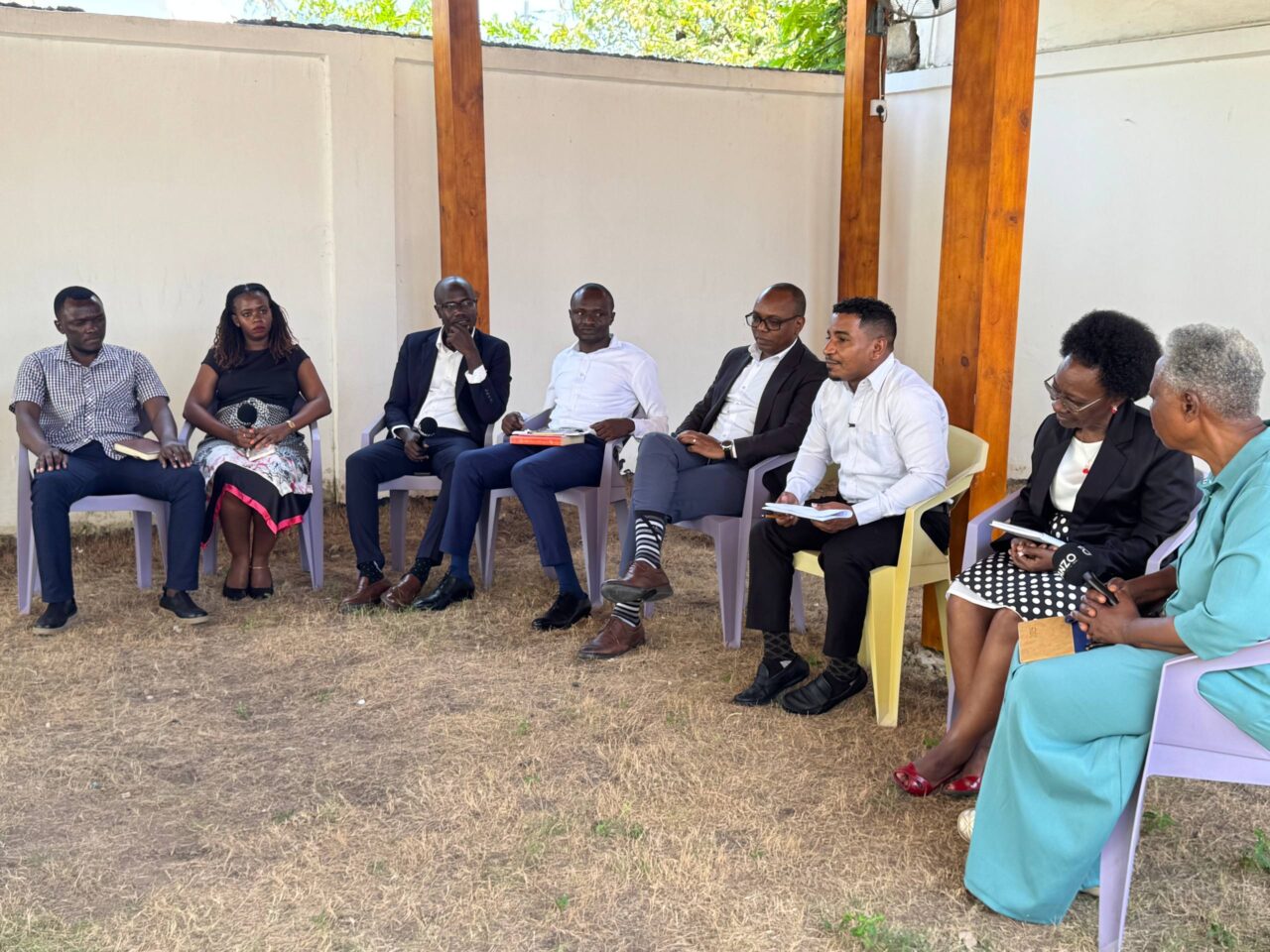
Those concerns echoed a Kivulini Talks discussion that The Chanzo organised to mark the day. Ziada Seukindo of JamiiAfrica said that, despite other national activity, “there’s still a debt of truth to be settled,” and that accountability must be seen to be done.
READ MORE: Tanzanian Prime Minister Disputes 10,000 Death Toll Over Election Day Protest
For now, the record contains a completed fact-finding inquiry, an ongoing criminal one and a renewed demand from civil society for a national day of mourning.
Whether October 29 becomes a date of official remembrance, as Chande recommended, will depend on a government decision that has yet to be publicly announced.