
Dar es Salaam – Residents around three longstanding playing fields here are losing access to places for sport and community gatherings as fencing and construction change how the land is used, despite official commitments to protect recreational spaces.
At Biafra in Kinondoni, the ruling Chama cha Mapinduzi (CCM) party claims ownership and has leased the land for commercial use. At Panga in Wazo, construction has continued despite a ministerial order to stop, while at Sahara in Mabibo, a proposal for the municipality to buy the ground has not secured its preservation.
The disputes unfold in a region whose population reached 5,383,728 in the 2022 census, increasing demand for housing, businesses and community facilities. For people who depend on neighbourhood grounds, the changes are already affecting how often they can play.
Amos, a 26-year-old resident of Kinondoni Manyanya, grew accustomed to playing football at Biafra. He says the fencing has sometimes left him going an entire month without a game, unless he travels to visit a friend in Mbezi Beach.
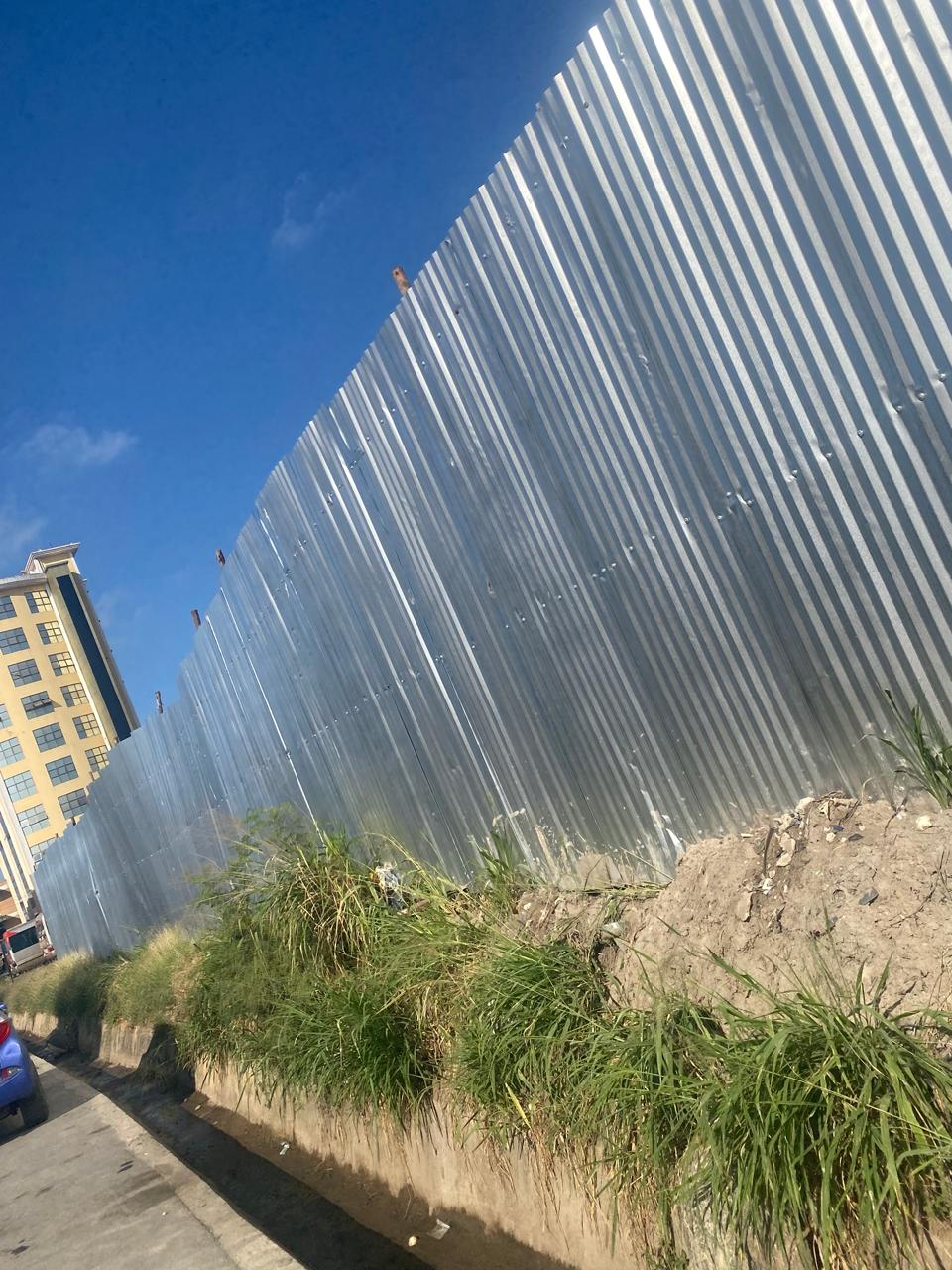
“For many years I have played at Biafra, but it is sad that the ground can no longer be used,” he said. “The whole area has been fenced off, and other private activities are taking place there.”
Biafra dispute
For decades, residents used Biafra for football, political meetings and religious gatherings. Its conversion has produced conflicting accounts from party officials and local authorities about the relationship between ownership and the purpose for which the land was allocated.
READ MORE: Dar es Salaam: We’re Building a City, But For Whom?
Andembwisye Mwakajwanga, CCM’s Kinondoni Ward chairperson, says the party owns the land and has rented it to an investor to raise revenue. He says annual land rent was approximately Sh2 million, while income from the site did not match those costs.
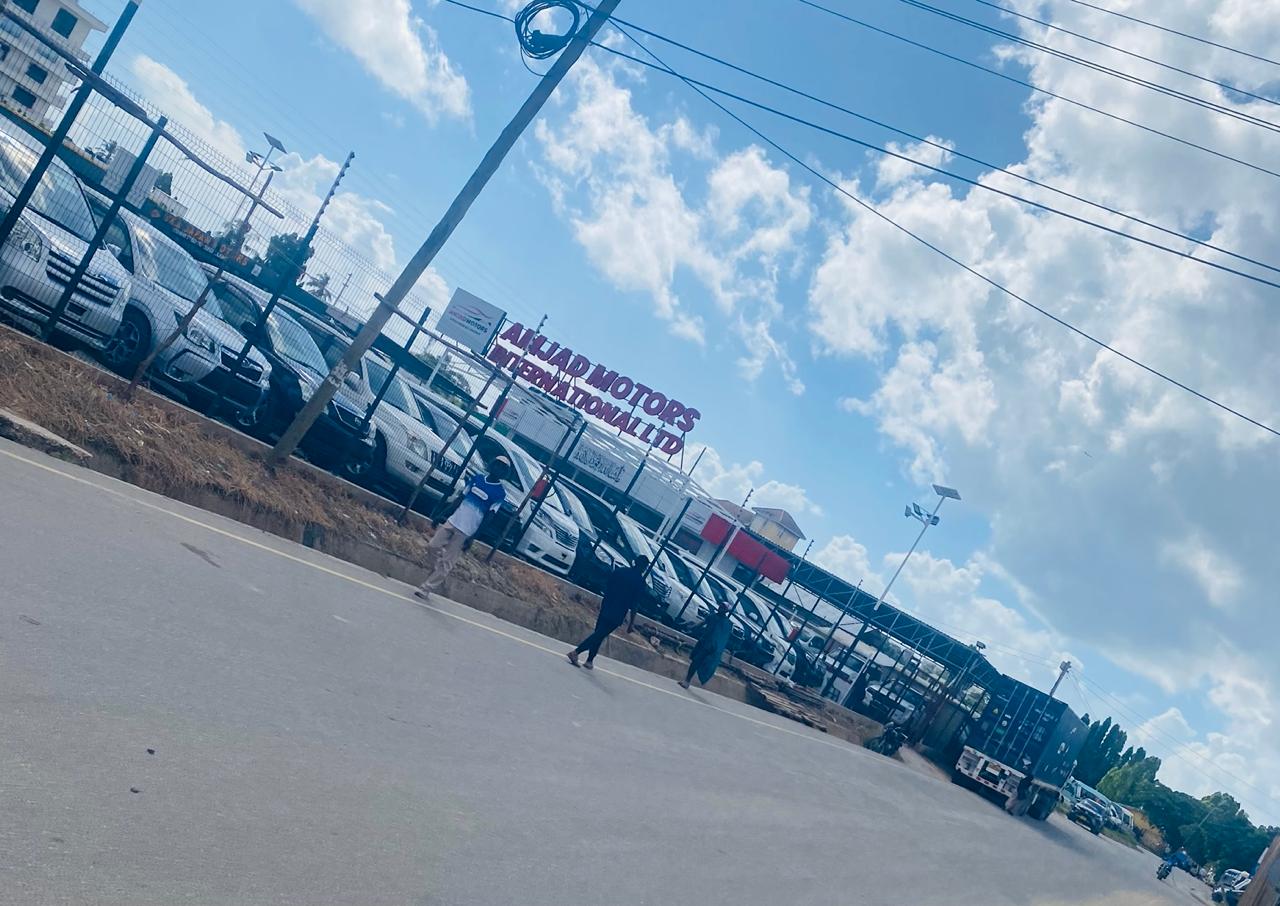
“It is true that people were using it, but it was not an open space,” he said. “The party has decided to change its use.”
Kinondoni Municipal Mayor Songoro Mnyonge has given a different account. In remarks on June 25, 2026, he said the municipality allocated the plot to CCM about 20 years earlier after the party requested it for sports development, and that the town-planning map designated it as a playing field.
“I acknowledge that there were shortcomings and weaknesses in how the person we entrusted with that plot used it, although the conditions required it to serve the public,” Mnyonge said.
CCM’s Dar es Salaam regional publicity secretary, Ally Bananga, maintains that the party owns the property and has the right to develop it. The competing accounts leave unresolved whether the present activities comply with the allocation conditions and approved land use.
Fadhili Saidi Mpemba, chairperson of Kinondoni Mjini’s neighbourhood government, says local leaders were not involved in the initial decision. They nevertheless receive residents’ complaints and requests for explanations.
READ MORE: ‘Dividing Dar’ Unravels How Power Was Wielded on the Streets of Colonial Dar es Salaam
“We answer some of them, but others are difficult because we were not involved in the initial stages of changing the use,” he said.
Kinondoni District Commissioner Saad Mtambule says much of the ground was open when he arrived in the district in 2023, but a vehicle yard has since appeared. He says the government is following up and will inform the public after consulting district party officials.
Panga’s construction
At Panga, uncertainty began in 2024 when foundations were excavated, and a sign indicated plans to build a school. Chikupe, a motorcycle-taxi driver working nearby, recalls residents’ surprise at seeing a grader digging up the ground.
After complaints, then sports minister Damas Ndumbaro visited, saying President Samia Suluhu Hassan had sent him. He directed that construction stop, the ground be restored and another site be found for the school.
Ndumbaro also said the National Sports Council had submitted an application for artificial turf and solar lighting at Panga. Nearly two years later, construction was continuing during visits for this report, while use of the ground for sport had stopped.
READ MORE: Outcry Grows Over Development of Kinondoni’s Biafra Grounds
Japheth J., 25, says young people now travel further to find a suitable pitch, including to Tegeta. Some of his friends have stopped playing.
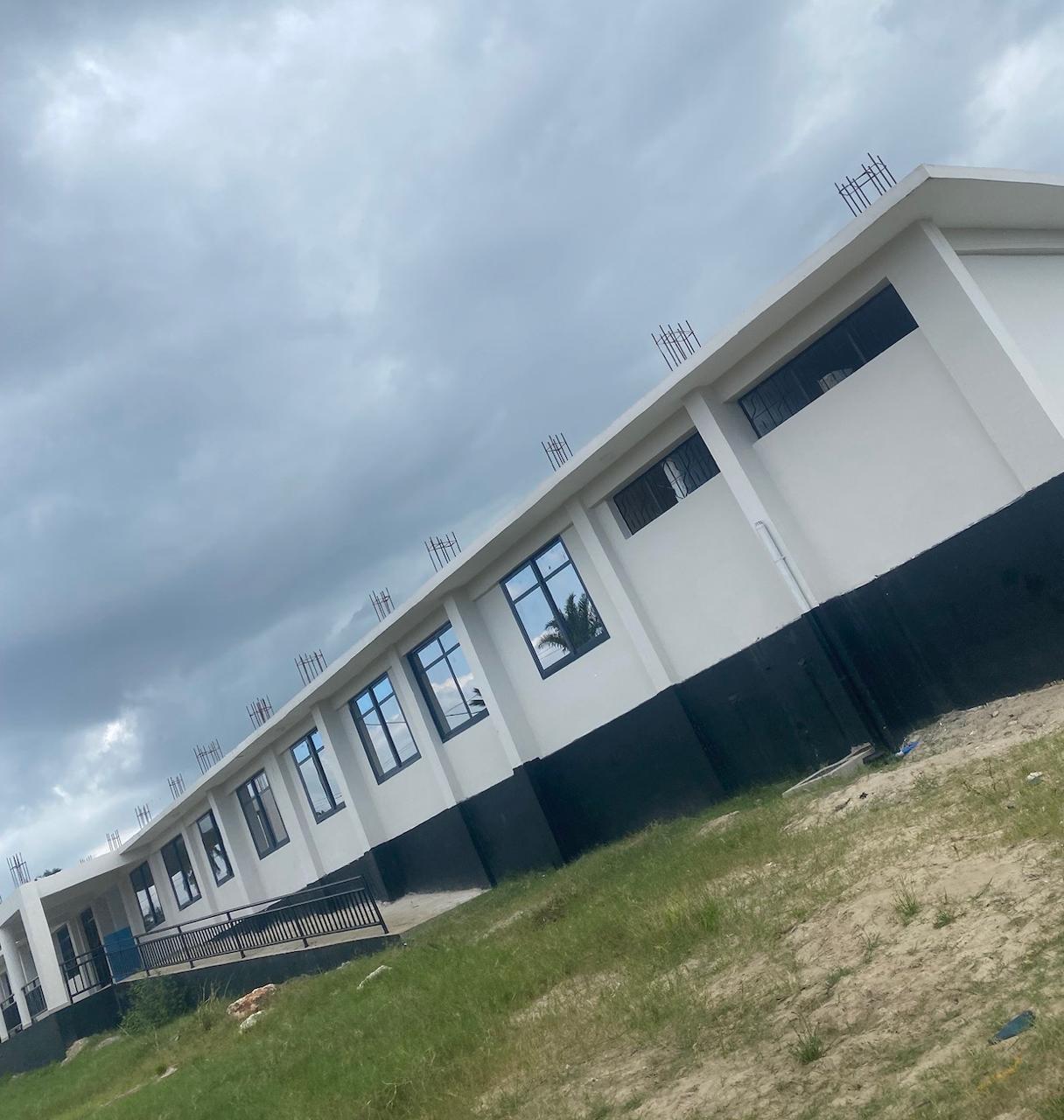
“We were hurt when it was built on; it was a very good ground,” he said.
The loss extends beyond football: Panga also hosted meetings and other gatherings. Officials at Wazo’s neighbourhood government offices declined to discuss why construction continued despite the minister’s instruction.
Repeated approaches to Kinondoni Municipal Council over approximately three months, including visits to its offices, did not produce an explanation before this report was completed.
Sahara’s ownership
At Sahara in Mabibo, residents had used the ground for sport and community activities for more than three decades. Amri Ramadhan, a sports participant, says that after about a week away, he returned to find stone aggregate, sand and a corrugated-iron shed.
Former Ubungo mayor Boniface Jacob publicly raised concerns about the development, saying the community lacked another nearby ground. Dar es Salaam Regional Commissioner Albert Chalamila visited on July 19, 2025, and ordered an ownership investigation.
READ MORE: ACT Wazalendo Sounds Alarm Over Temeke’s Vague 10-Ward Port Expansion Plan
The committee’s findings, presented in mid-February 2026, said ownership was not disputed, attributing the land to a postal and telecommunications corporation that had acquired it through a savings and credit co-operative. It nevertheless found that Mabibo Ward lacked sufficient open space for community services.
The committee recommended that Ubungo Municipal Council discuss purchasing the property with its owners for public use, including health services. Chalamila supported that option.
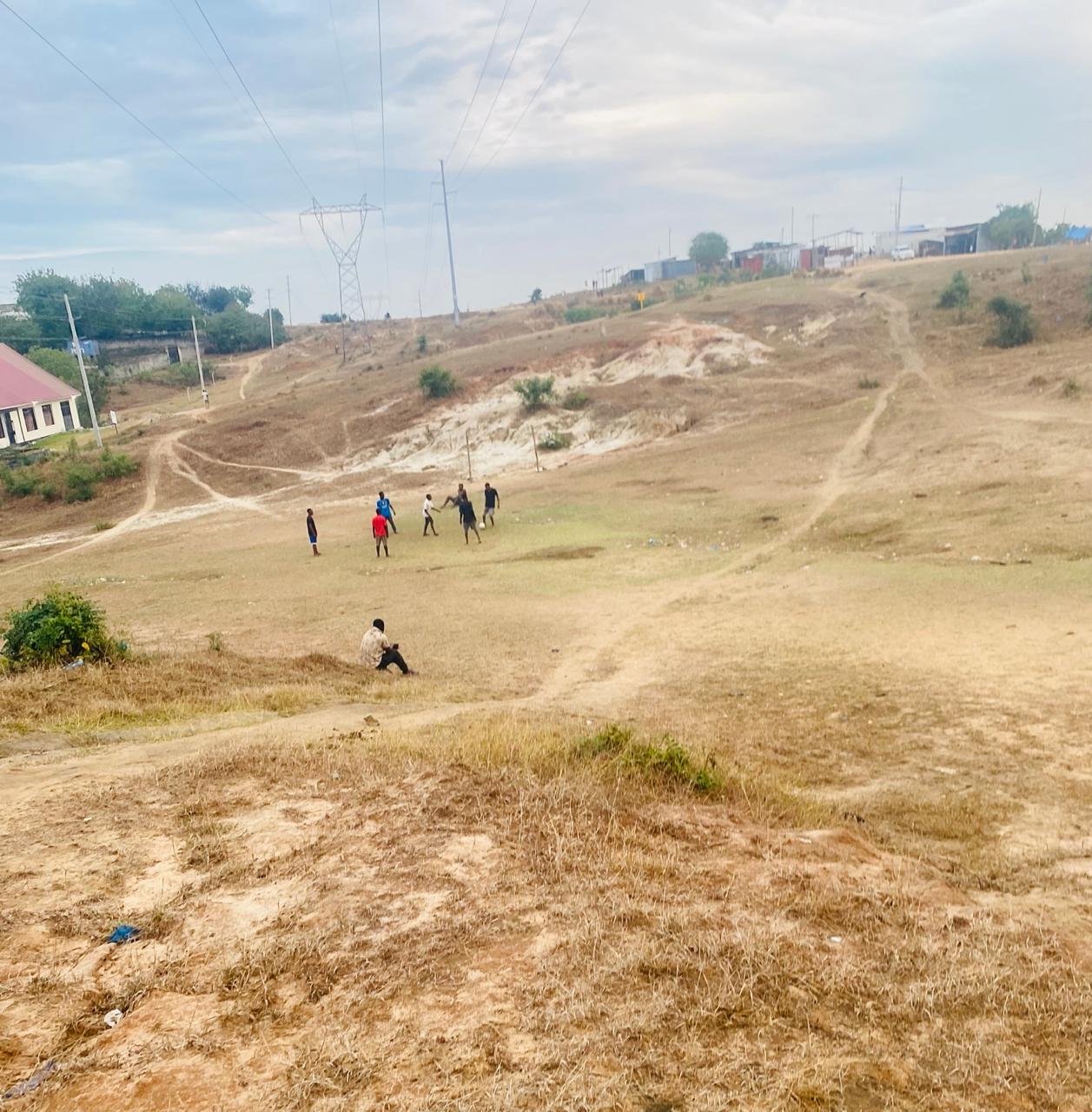
“If the lawful owners maintain their position that they will sell their land, I still advise that Ubungo Municipal Council’s director’s office could buy it so that it remains as it is and serves its residents,” he said.
Construction, temporarily halted following complaints, was continuing during the reporting visits. Ubungo municipal information officer Joina Jimmy Nzali said the municipality maintained the regional commissioner’s position that the site was not public property.
Nzali said the council manages 53 officially designated open spaces, none of which is a sports ground, and some remain unsurveyed. Approximately half have been rented out under arrangements that prohibit permanent structures, he said.
No completed municipal purchase of Sahara was established during the reporting. Recognition of the owners’ rights therefore has not resolved residents’ need for an accessible ground.
Protection gap
The Urban Planning Act assigns planning authorities responsibility for conserving open spaces, recreational areas and parks. It also requires planning consent for development within planning areas: ownership alone is not equivalent to permission to build or change a property’s planned use.
READ MORE: Government Halts Coco Beach Eviction, Assures Traders Area Not for Sale
The law provides for stakeholder consultation and public hearings in preparing planning schemes. Determining whether a particular development complies requires its approved plan, land documents and planning-consent records, rather than community use or an ownership assertion alone.
Government policy also recognises the need for sports facilities. The 2024/25 national planning and budget guidelines direct local authorities to demarcate areas and develop infrastructure for nurturing talent, including sport.
Research points to weaknesses in protecting such spaces. A 2026 study in Vingunguti Ward, involving 376 participants, found that 56.9 per cent rated protection against encroachment as poor; this was a local assessment of governance, not a citywide measurement of playground loss.
Another study published in June 2025 reported that built-up land in its Dar es Salaam study area increased from 72.55 square kilometres in 1995 to 403.44 in 2024. Its satellite-based land-cover analysis illustrates urban expansion, but does not count designated public playing fields.
ACT-Wazalendo youth-wing chairperson Abdul Nondo says disappearing neighbourhood grounds affect young people who depend on them for exercise and developing sporting talent.
Lucy Nzunda, a first-year Institute of Finance Management student, says residents also need places to rest, citing the garden opposite NBC’s headquarters as somewhere she enjoys spending time after classes.
For an older Kinondoni resident who has watched Biafra serve the community for more than three decades, the concern is about the next generation.
“My fear is for our grandchildren,” the resident said. “Where will they play?”
Anthony Rwekaza is a freelance journalist based in Dar es Salaam, Tanzania. He is available at anthonyrwekaza9@gmail.com.