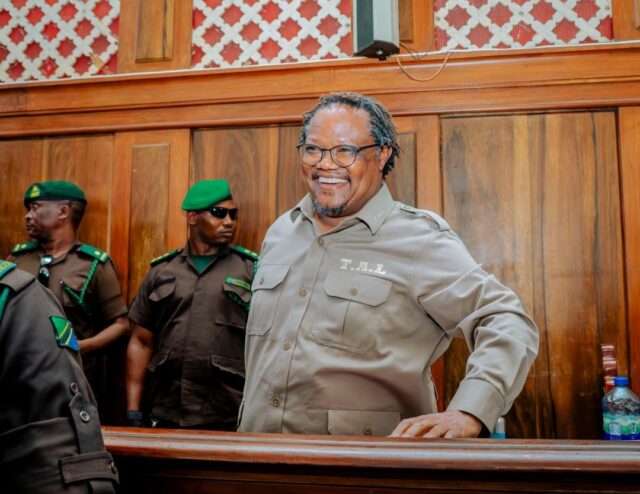
Lissu’s Treason Trial Resumes as Chief Investigator Takes the Stand, Fiery Exchange Emerges Over Admission of Witness’s Written Statement
The trial resumes after a July 30 Court of Appeal victory blocked prosecutors from adding new evidence.
The trial resumes after a July 30 Court of Appeal victory blocked prosecutors from adding new evidence.

Tanga-based CCM political commentator Kazungu Bakari Kazungu says he was abducted and forced by his captors to insult Vice President Emmanuel Nchimbi and name people allegedly involved in mobilising demonstrations.
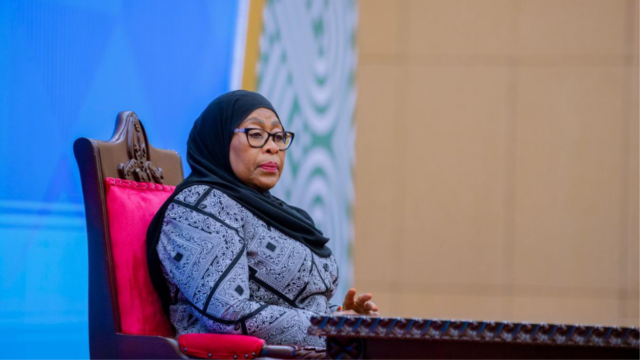
President Samia launches a tri-national judicial panel with a five-month mandate to identify the planners and financiers of the October 2025 unrest.

A lawyer has filed a habeas corpus petition after political commentator Davidlevi Kindikwa spent over 40 days in police custody without being charged or brought before a court.
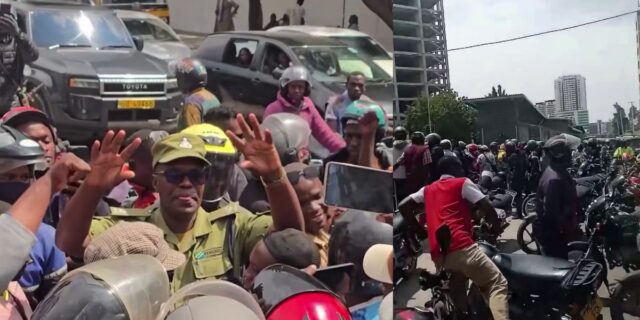
Motorcycle taxi riders in Dar es Salaam staged a protest at Bibi Titi Road on Wednesday against the city’s fine for riders who enter the city centre
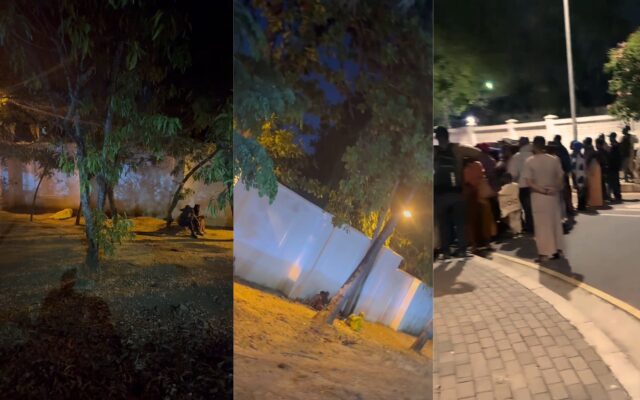
Traders underscore that since August 2025, it has become difficult to obtain a visa to China

Alichukuliwa nyumbani kwake Juni 25 huku Kerege Pwani
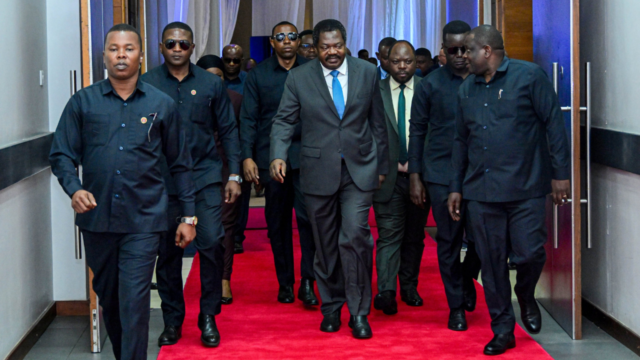
Tanzania’s Vice President is calling on citizens to fight for a new constitution. But is this conviction or a calculated opening move in the 2030 presidential race?
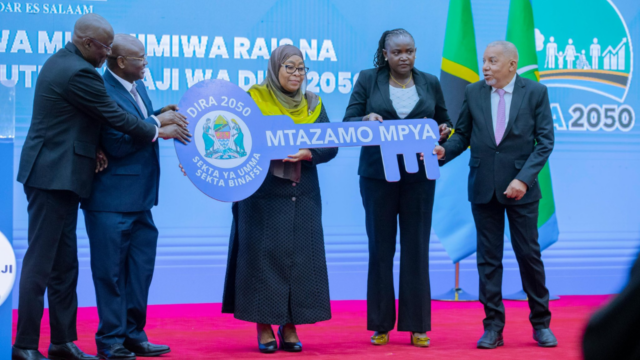
Government and businesses sign compact outlining shared responsibilities, as local contractors call for fairer access to public projects.
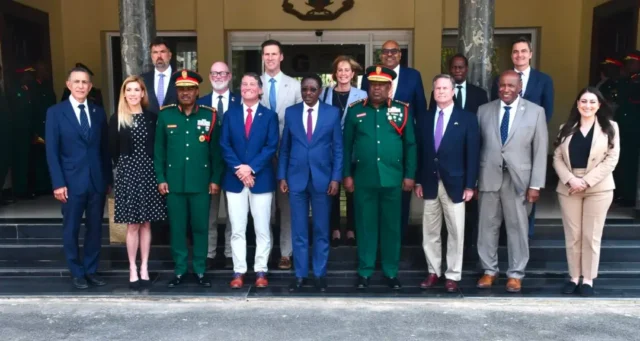
A U.S. congressional delegation met Tanzania’s defence and foreign affairs leaders in Dar es Salaam on July 27 to discuss trade, investment, and security cooperation.