

Zanzibar has a reputation as an island paradise. Lying 20km off the African continent, this semi-autonomous zone of Tanzania consists of two large islands, Unguja (1666km2) to the south and Pemba (988km2) to the north, each with several small outlying islets mostly on their western sides.
The archipelago is one of the most densely populated areas of Africa, totalling 1,900,000 people in the 2022 census. With a 3.8 per cent annual growth rate and a mean household size of five people, there is immense pressure on natural resources.
Nonetheless, the archipelago still has some unique tropical broadleaf coastal forests, old-growth trees and mangroves, with rare and endemic species; moreover, communities are still largely forest-dependent. A decision fork has emerged between conservation and development on these islands.
Over the last 30 years, a huge tourist industry developed on Unguja with its sandy beaches (over 500 hotels), although not on Pemba with its mainly rocky coastline (approximately 20). The archipelago now receives over 100,000 visitors a month in the holiday season – the 106,108 visitors in July 2025 represent a 31 per cent increase from 2024.
Most of these visitors go to Unguja, where much of the tourist development has occurred with little consideration for the environment. Examples include new tarmac roads running through the protected Masingini Forest Reserve and through the carbon-capturing mangrove forest of the Uzi peninsula on Unguja. These are all rapid developments that are pushed through with little time for debate.
Wrong model
Now the Government wants to invest heavily in Pemba, but there are officials and community leaders on both islands who see Unguja’s rapid infrastructure development and heavy dependence on the tourist industry as the wrong model for Pemba.
READ MORE: Residents Fear Investor Takeover of Kwale Island, Zanzibar; Government Offers Reassurance
Rather, they recognise that mass tourism has brought unwelcome cultural change to the southern island, leading to considerable concern among residents. At stake now is whether the social fabric of Pemba should be similarly endangered, and whether the inevitable economic development contingent on tourism will jeopardise the ability of future generations of Zanzibaris to enjoy what remains of their natural and cultural heritage.
Much of both islands consists of agroforestry for fruit, coconut and spice production, interspersed with valleys for the cultivation of rice and tomatoes, and dry coral soils dedicated to the production of beans, cassava and peanuts. Most communities maintain community forests for the production of fuel, fruit and timber, and there are also a few protected forests.
On Unguja, these consist of Jozani-Chwaka National Park, famous for its Zanzibar red colobus population, and three forest reserves, but these enjoy little practical protection due to underfunding.
On Pemba, there are only three reserves: Msitu Mkuu, Ras Kiuyu and Zanzibar’s biodiversity endemism wonder, Ngezi-Vumawimbi Natural Forest Reserve, the largest remaining patch of old-growth coastal rainforest in Zanzibar. But even these areas are no longer safe in this new policy environment.
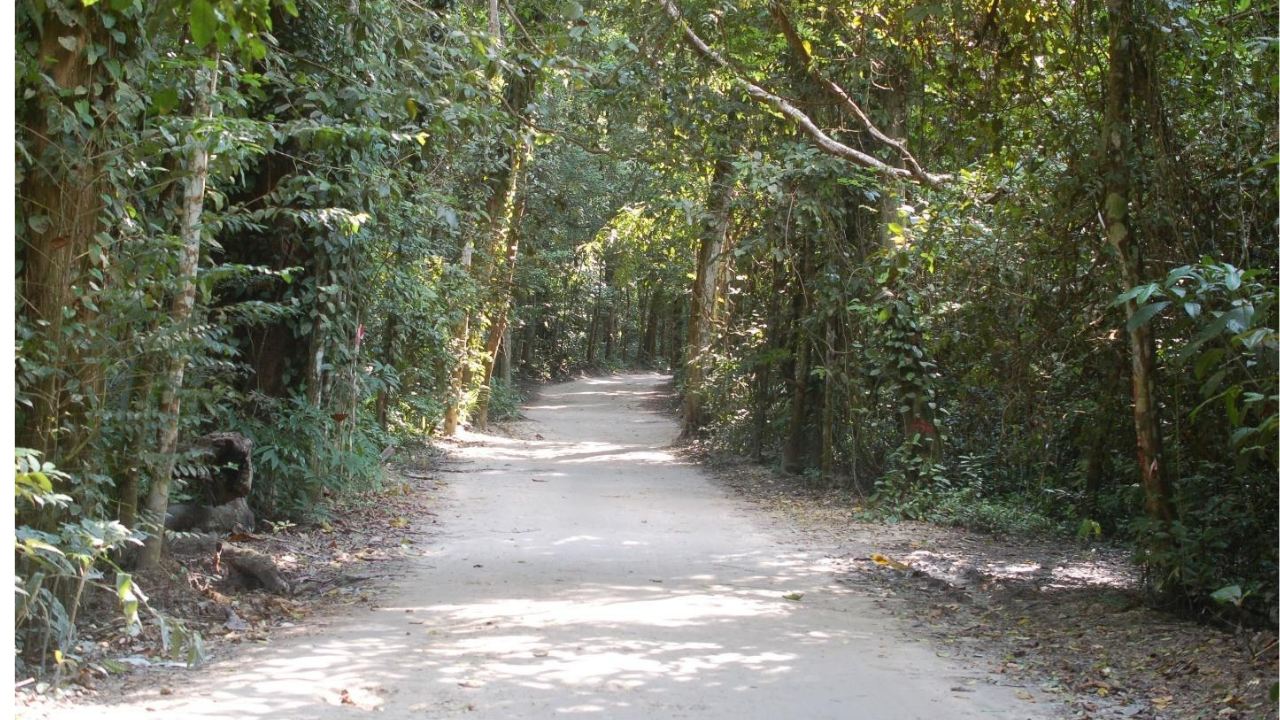
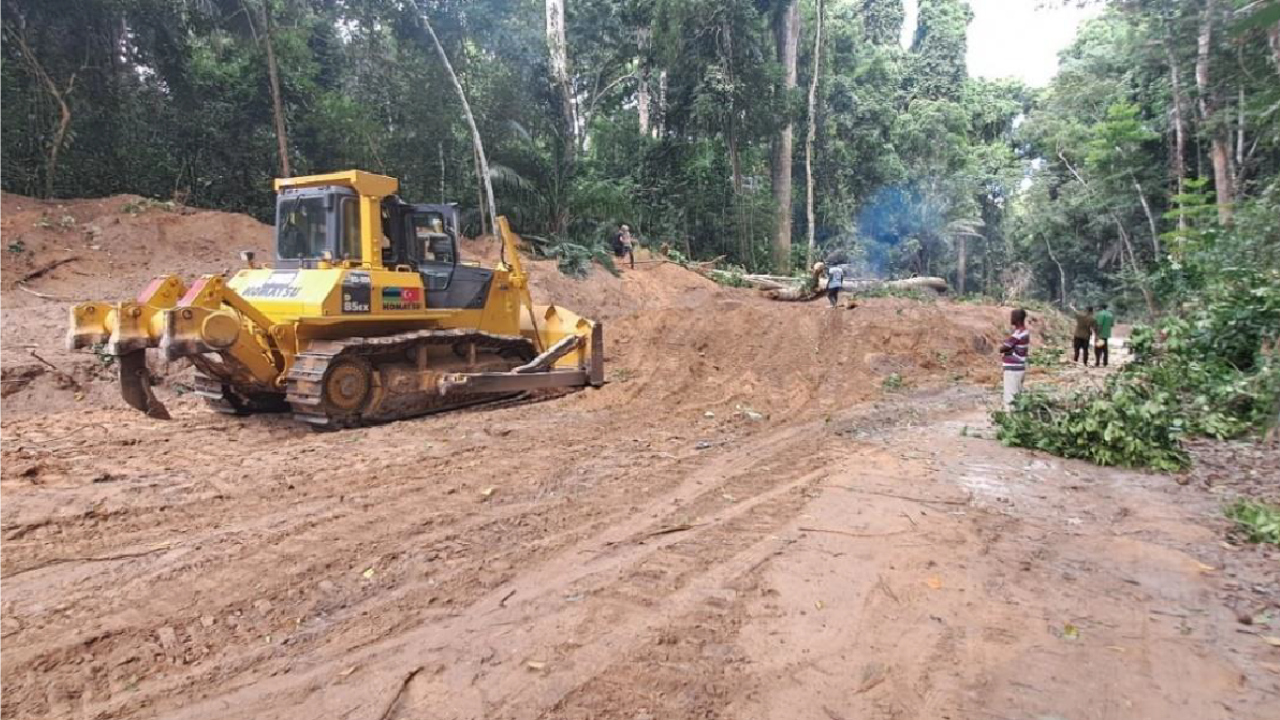
The threat to Zanzibar comes from the Zanzibar Investment Promotion Authority (ZIPA), a government-appointed body tasked with attracting investors for hotel development on the small islands surrounding Pemba and Unguja, as space is running out on Unguja.
READ MORE: World Bank: Zanzibar’s Economic Growth Doesn’t Translate Into Improved Well-being
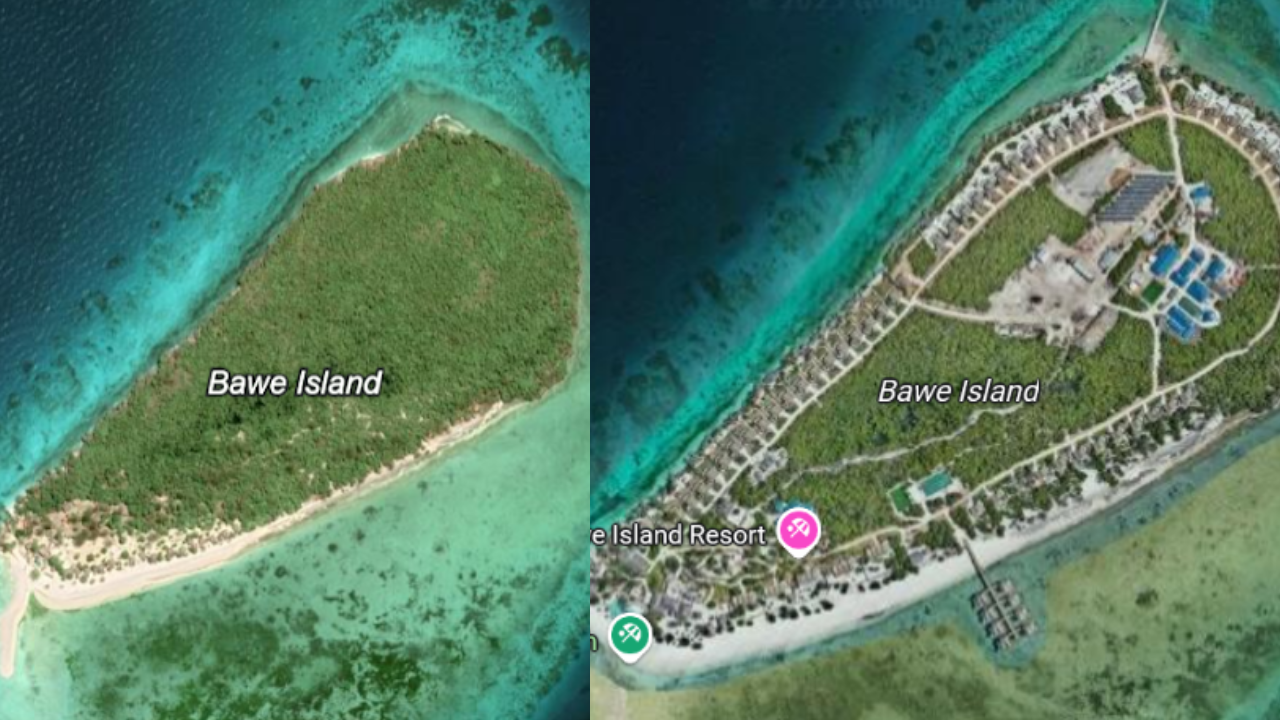
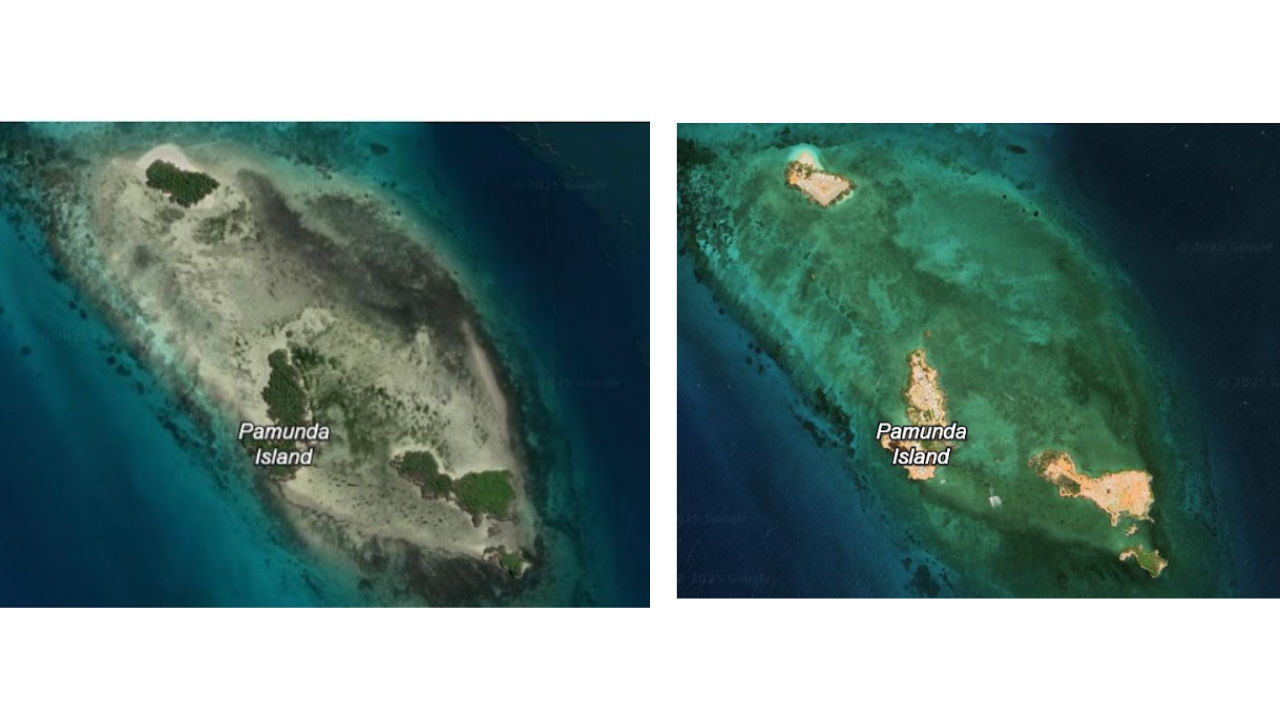
ZIPA is now seeking investors to transform offshore islets and has identified 15 of these for hotel investment. Many are havens for bird life, endemic bats, and 12 of them constitute final refuges for IUCN Vulnerable coconut crabs. Nonetheless, the drive to increase bed nights has resulted in the denudation of vegetation and levelling to construct bungalow cities, as seen on Bawe and Pamunda.
The recent clearing of yet another island, Chapwani, has deprived the island of its large fruit bat and heron roosting sites, ironically resulting in a loss of revenue for tour operators on the island.
The Ngezi Forest project
Just as shocking is the project to convert a large portion of Ngezi Forest Reserve into an estate complex: the Mantuli resort that will occupy an extraordinary estimated 17 per cent of the Reserve area, and 23 per cent of the Reserve’s high forest, with over 100 structures to be built, suggesting a development complex rather than an “ecoresort.” (Note, this is not three per cent as some officials have claimed!)
There is no guarantee that the ongoing EIAs will constitute any kind of block to this development, nor is there any indication that the legal necessity to degazette the forest reserve will be a hindrance, judging by ongoing clearance for a perimeter wall, brick building and garage full of new trucks parked nearby.
Ngezi is designated as an Important Bird Area, a Key Biodiversity Area of international significance, and an Alliance for Zero Extinction (2018) site. Northern Ngezi is a botanical gem with 6-8 endemic plants, Intsia forest found nowhere else in Africa, a rediscovered damselfly and four endemic bird species all due for extermination by this “eco-resort.”
It is mind-boggling to think that nearly a quarter of Zanzibar’s premier protected area will be lost, and conservation NGOs are resorting to rescuing seedlings from the protected forest to forestall their extinction!
READ MORE: Zanzibar’s Painful COVID-19 Stories
Private conversations with officials in government positions indicate that many are dismayed by this project, but feel powerless to prevent it, and consultations with communities show strong concerns for lost access to beach landing areas and the disruption to their communities.
Furthermore, the development will render inaccessible a beach used by hundreds of Pembans for weekend and Ramadhan celebrations, as well as for school field trips.
The Misali Island project
A third investment plan that starkly shows the contrast between protecting a culturally valued natural resource and tempting global holiday makers is on the pristine Misali Island Conservation Area, an island with religious significance and home to endemic Pemba flying foxes, coconut crabs, nesting turtles and Aloe pembana, now rare on Pemba.
Again, this is a protected area slated for tourist development that will have an unknown impact on nesting turtles, the coral reef, and some of the most intact coral rag forests on the East African coast.
A workshop bringing together environmentalists and religious leaders in April 2025, which promoted the idea of making Misali into Pemba’s first national park, needs to be followed up by government officials looking to make Pemba a real eco-destination in the long term. Again, officials who want to protect Misali feel sidelined by others in their government.
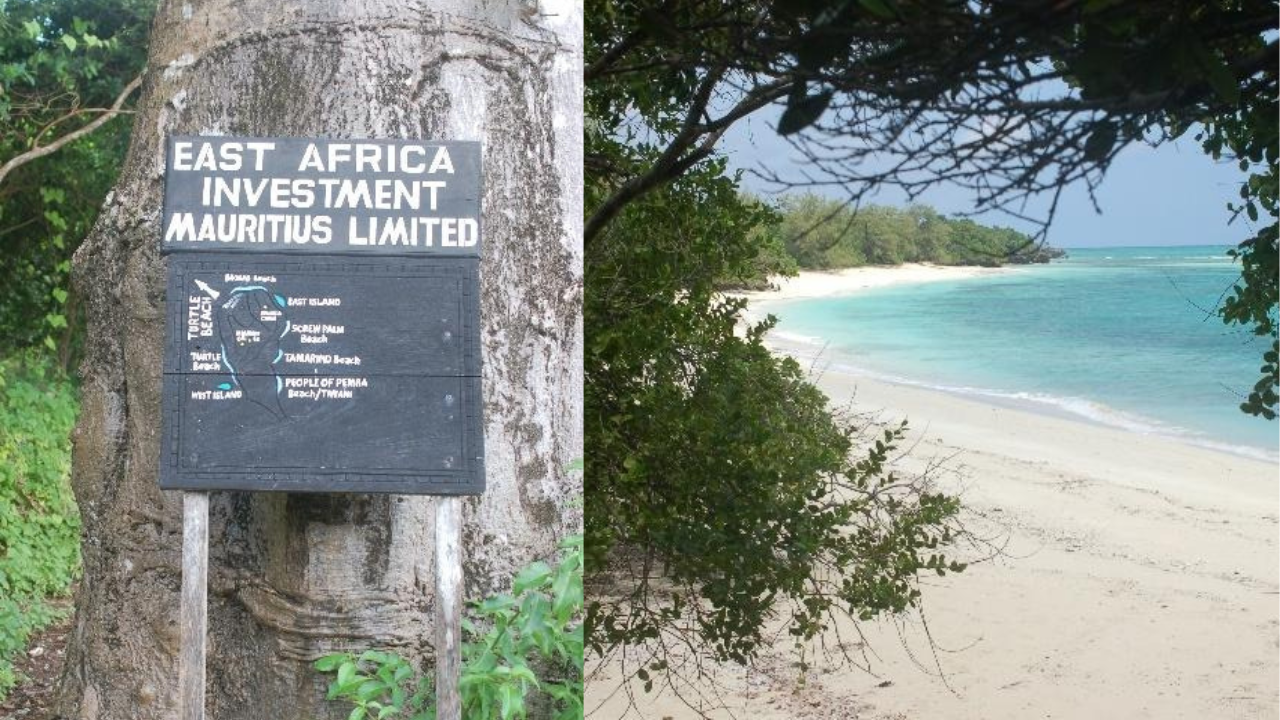
Fortunately, there are some signs that the Zanzibar tourism sector wants to protect environmental and archaeological sites. Mudrick Ramadhan Soragha, Zanzibar’s tourism minister, has stated, “Our long-term vision emphasises low-density, high-value tourism. By championing eco-conscious resorts over mass tourism models, we aim to protect both our environment and our cultural identity for generations to come.”
READ MORE: The Jahazi Project: Steering East Africa’s Blue Economy Toward a Sustainable Future
Nonetheless, some actors are jeopardising this with a different vision, which lacks foresight, common sense and duty to the local communities, and instead consider that any ‘unused’ land should be made to work to produce money.
Debate on ‘eco-resorts’
One problem is deciding what ‘eco-resorts’ represent. For some in the government and tourist industry, these consist of beautiful hotel or apartment complexes catering to large-scale tourism but built in pristine areas; for others, they are small, ecologically sensitive lodges with a handful of beds, an alternative successfully established in a few places on Zanzibar, such as Chumbe Island Coral Park.
If the second type of eco-resort became Pemba’s model, there would be room for compromise between those looking to create new jobs in the short term and those thinking of the long-term future of Pemba’s natural environment and Zanzibar’s cultural integrity.
The development model needs a rethink to include charging tourism tax on profits not number of beds (to encourage high-end hotels not bungalow cities), consulting more seriously with communities to determine their real needs, copying the model of successful eco-resorts (such as Chumbe which both protect nature and provide community services), seeking out investors with strong eco-resort credentials, and employing local people to run the hotels rather than outsiders.
In theory, economic development (including that based on tourism) can take pressure off remaining biodiversity in that it enables livelihood diversification, but it necessitates infrastructural development, which usually lacks environmental sensitivity. The issue is getting the balance right.
Some in the government have a genuine positive desire to have sustainable and community-benefiting-tourism and development, yet there are elements within the government that do not align with this and potentially jeopardise these good initiatives.
Now is the time for Zanzibar’s government to reexamine past and future investment decisions to ensure they respect the islands’ natural heritage and conserve it for future generations of Zanzibaris.
Tim Caro is a behavioural and evolutionary ecologist and conservation biologist at the University of Bristol, UK, who has conducted research in Tanzania for 30 years. He’s available at tim.caro@bristol.ac.uk. The opinions expressed here are the writer’s own and do not necessarily reflect those of The Chanzo. If you are interested in publishing in this space, please contact our editors at editor@thechanzo.com.




One Response