
Dodoma – President Samia Suluhu Hassan has broken her silence on the ongoing fuel crisis, acknowledging it as a global issue whilst announcing concrete measures to reduce government fuel consumption and appealing to citizens for patience as the country navigates the three months of strategic reserves.
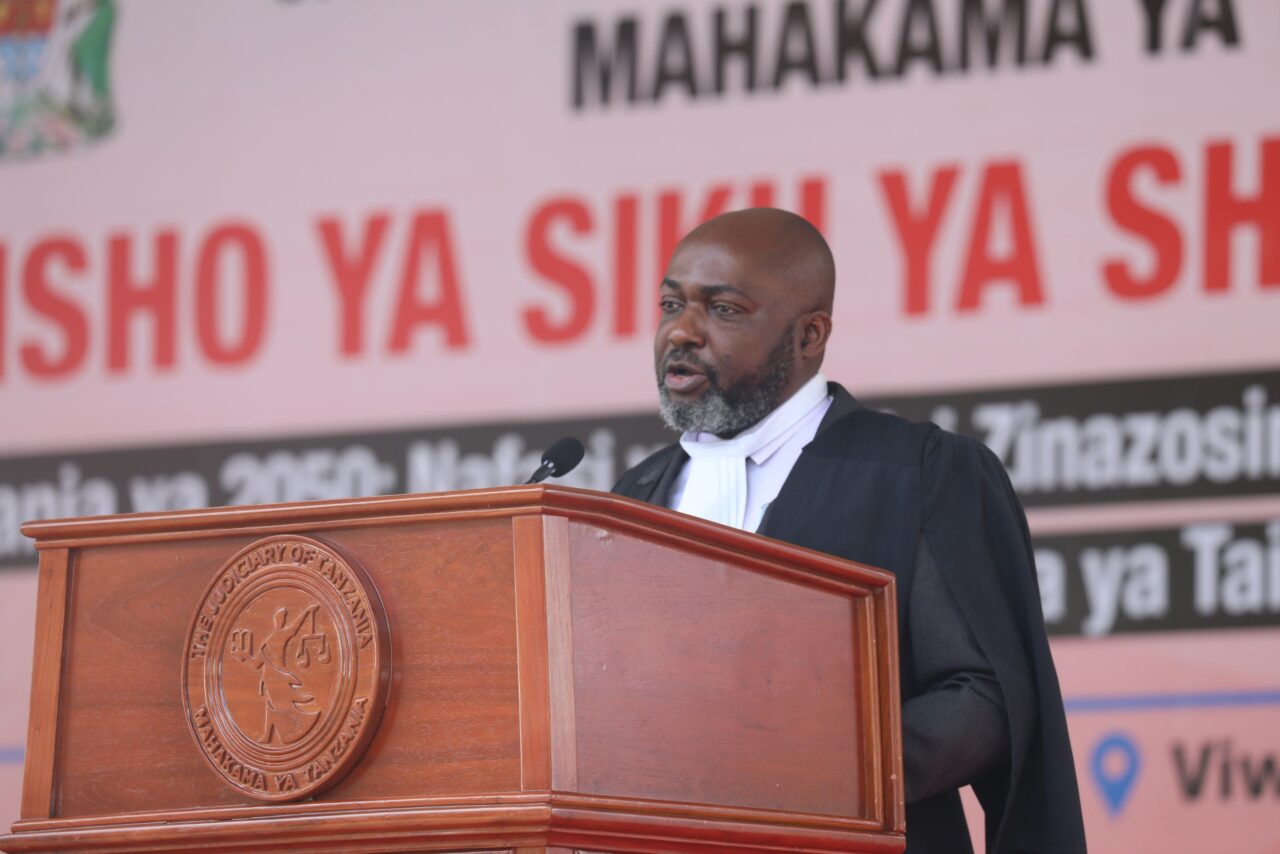
Speaking at a swearing-in ceremony at State House in Dodoma on April 8, 2026, President Samia provided her most detailed remarks yet on the fuel crisis, offering both reassurance and directives to government officials, the business sector, and the public.
The President acknowledged that the fuel crisis is not a domestic problem but a global phenomenon affecting the entire world. She cited comparative prices from developed nations to illustrate the scale of the international shock.
“The world has seen this crisis,” the Head of State said. “It is a crisis that has brought anxiety to the entire world.”
Comparative advantage
Despite the global nature of the crisis, President Samia emphasised that Tanzania is in a relatively favourable position compared to its neighbours. She noted that whilst many regional countries have reduced taxes on fuel, Tanzania’s prices remain lower than those of surrounding nations.
READ MORE: Tanzania’s Opposition Demands Immediate Tax Relief as Fuel Crisis Deepens
“Here in Tanzania, fuel prices are low compared to our neighbours,” she said. “Many of them have reduced taxes on fuel, but still, their prices are higher than ours. So I ask citizens very much that we are in this period and let us continue to ask, as I asked that day, that this war between Iran, Israel and America ends so that the flow of business and ships carrying fuel and goods returns to normal so we can live our normal lives.”
Leading by example
The President made a striking personal commitment to reduce government fuel consumption, announcing that she will immediately restructure her motorcade to set an example for other officials.
She said, “When I move around, all senior officials and their vehicles follow me behind. From now on, when I go anywhere, I will put them in one bus. One will be my police escort and my vehicle, and all the others remaining I will put in one bus to cut fuel consumption. So I ask you in your areas to cut fuel consumption. We are starting to reduce fuel consumption. I myself am starting in my office.”
This directive represents a significant symbolic gesture, as presidential motorcades in Tanzania typically comprise multiple high-end vehicles. By consolidating her entourage into a single bus, President Samia is signalling that government-wide austerity measures are necessary.
The President also addressed the business community, cautioning against using the fuel crisis as a pretext for excessive price increases. She distinguished between goods purchased before the crisis and those entering the market during the current period.
READ MORE:Tanzania’s Fuel Prices Surge to Record Highs as Middle East War Drives Global Oil Crisis
“I speak to business people about the pricing of goods,” President Samia said. “For those goods that we bought long ago and are stored, let us look at how to adjust prices and not use this opportunity of fuel price increases to keep goods prices much higher than they should be.”
The President’s remarks suggest a nuanced approach: whilst acknowledging that some price increases are inevitable for newly imported goods, she is appealing to businesses to exercise restraint with goods that were purchased at lower costs before the crisis.
Strategic Reserves
President Samia provided reassurance by confirming that Tanzania maintains a three-month strategic fuel reserve, a buffer that provides both security and hope. She expressed confidence that the international situation will stabilise within this timeframe.
“We have certainty of three months, and we hope that within these three months the things that are clashing there with our friends will have ended,” she said. “So we are safe.”
The President’s statement suggests that the government is banking on a resolution to the Iran-Israel-USA conflict within the next 90 days. Once the geopolitical tensions ease, she implied, normal shipping routes and trade flows will resume, allowing fuel prices to stabilise and the economy to return to normal operations.
READ MORE:Fuel Crisis Could Push Tanzania to the Brink if Middle East War Drags On, Warns Industry Chief
Throughout her remarks, President Samia repeatedly appealed to citizens to remain patient and understanding, emphasising that the crisis is a global phenomenon beyond the government’s control.
“This is not something that the government has caused—it is something that has affected the entire world,” she explained. “So I ask citizens to be patient. We as leaders of various countries are trying to raise our voices, to speak with our counterparts, to persuade our counterparts that this war should end so that the lives of citizens return to normal.”
However, the President’s remarks notably did not address some of the opposition’s key demands, including the removal of fuel taxes and levies or the implementation of temporary fuel subsidies.
Instead, the government’s strategy appears focused on managing expectations, emphasising the temporary nature of the crisis, and appealing for public patience whilst maintaining current pricing structures.