
Kigali, Rwanda — African leaders have declared nuclear energy essential for the continent’s industrial and digital future at the second edition of the Nuclear Energy Innovation Summit for Africa (NEISA 2026), which opened in Kigali on May 19, 2026.
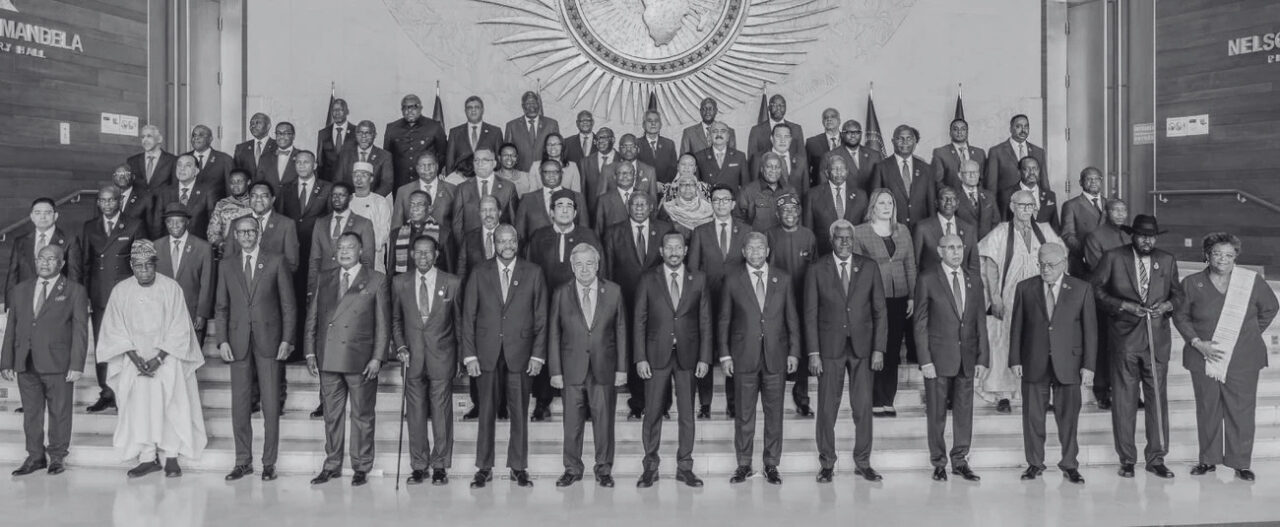
The summit, convened under the theme “Powering Africa’s Future: Turning Nuclear Energy Ambition into Investable Reality,” brought together heads of state, industry leaders, and international organisations.
President Samia Suluhu Hassan of Tanzania joined Rwandan President Paul Kagame and Togolese President Faure Gnassingbé to advocate for nuclear power as a reliable baseload energy source.
“Africa is not waiting,” Nozipho Tshabalala, the summit presenter, declared during the opening ceremony. “Across this continent, a new generation is building factories, data centres, hospitals, refineries, cities the size of nations.”
The push for nuclear energy comes as nearly half of Africa’s population—approximately 600 million people—still lacks reliable access to electricity.
Growing electricity demand
President Samia emphasised that Tanzania’s growing electricity demand, driven by industrial expansion and digital transformation under the Tanzania Development Vision 2050, requires diversified long-term energy solutions.
READ MORE: Tanzania’s President Orders Fast-Tracking of Uranium Project to Enable Nuclear Energy Production
“It is in this context that Tanzania is advancing consideration of nuclear energy as part of our long-term energy diversification strategy,” President Samia stated.
She noted Tanzania’s particular interest in emerging technologies such as small modular reactors (SMRs) and micro modular reactors.
These newer technologies offer greater modularity, enhanced safety, and shorter construction timelines compared to traditional large-scale nuclear plants.
They are also better adapted to Africa’s existing electrical infrastructure and can be deployed in remote areas with limited grid capacity.
“For the first time, nuclear energy fits the African context,” the summit heard. “Not someday, now.”
The summit highlighted that Africa possesses many of the strategic resources required for the global energy transition, including uranium, cobalt, lithium, and graphite.
Needed shift
However, speakers stressed that the continent’s challenge is transformation rather than mere resource extraction.
READ MORE: Dr Biteko Unveils Roadmap for Nuclear Energy Development in Tanzania
“Africa must not be an operator of this new era, energy era,” Lassina Zerbo, Chairman of the Board of Directors at Rwanda Atomic Energy Board, noted.
“As it is popularly said, if countries are not at the table, they risk being on the menu. Africa should not simply aspire to have a seat at the table,” he added. “Africa must help shape the table itself.”
The growing energy demands of the digital economy were a central focus of the discussions.
Global technology giants are increasingly investing in nuclear energy to power artificial intelligence and data centres, which require enormous quantities of stable electricity.
“There will be no African digital sovereignty without African energy sovereignty,” Dr Zerbo told the summit.
New pathways
Financing remains a significant hurdle for nuclear projects in developing nations, but recent developments offer new pathways.
READ MORE: Atomic Energy Commission Up In Arms Against Illegal Importation of Radiation Sources
Rafael Mariano Grossi, Director General of the International Atomic Energy Agency (IAEA), highlighted a historic agreement signed last year with the World Bank.
This agreement has opened the doors of international finance institutions to nuclear energy projects, reversing years of prohibition.
Similar agreements have been reached with the Asian Development Bank and the Latin American Development Bank, with conversations advancing with the African Development Bank.
To further address the financing challenge, the summit saw the announcement of the Global Coalition for Nuclear Philanthropy.
Led by the Rockefeller Foundation and Temasek Trust, the coalition aims to mobilise capital in support of safe and equitable nuclear energy deployment worldwide.
Human capital development was also identified as a critical prerequisite for Africa’s nuclear ambitions.
“Before reactors come engineers, before deployment comes training and before sovereignty comes knowledge,” one delegate emphasised.
READ MORE: Extractive Industries Conference Concludes in Tanzania With Calls for Just Energy Transition
The IAEA is actively assisting African nations with training and capacity-building programmes to develop the necessary local expertise.
MoU signing
During the summit, President Samia and President Kagame witnessed the signing of a memorandum of understanding on energy cooperation between Tanzania and Rwanda.
The agreement underscores the importance of regional cooperation in advancing large-scale energy infrastructure projects.
Energy lies at the heart of sovereignty, and sovereignty lies at the heart of Africa’s future, the summit concluded.
Policymakers, industry leaders and experts agreed that without nuclear energy as part of the solution, sustainable large-scale energy abundance will remain out of reach for the continent.