
Tarime, Mara — A heated exchange between youth and a local government official in Tarime recently exposed the deep flaws in Tanzania’s youth empowerment loan schemes, revealing how bureaucratic requirements effectively lock out the poorest and most vulnerable young people.
During a recent youth dialogue in Saba Saba ward, participants confronted a local Development Officer over the inaccessibility of government loans.
The session, recorded on May 23, 2026, and published on June 5, was the eighth episode of the Dira Mtaani: Vijana Wanasemaje programme, organised by The Chanzo and Twaweza East Africa.
The government’s 10 per cent loan fund, mandated to be distributed by Local Government Authorities (LGAs) to women, youth, and people with disabilities, has long been touted as a key poverty alleviation tool.
However, the youth in Tarime, just like their colleagues in other parts of the country where Dira Mtaani passed, described the scheme as a “trap” rather than an opportunity.
READ MORE: Why Tarime’s Youth See No Shine in Nyamongo’s Wealth
“This loan that came to us, we youth can say it is a trap and not an opportunity,” one participant stated bluntly. “It’s like they are playing with our minds. First of all, this loan has countless conditions.”
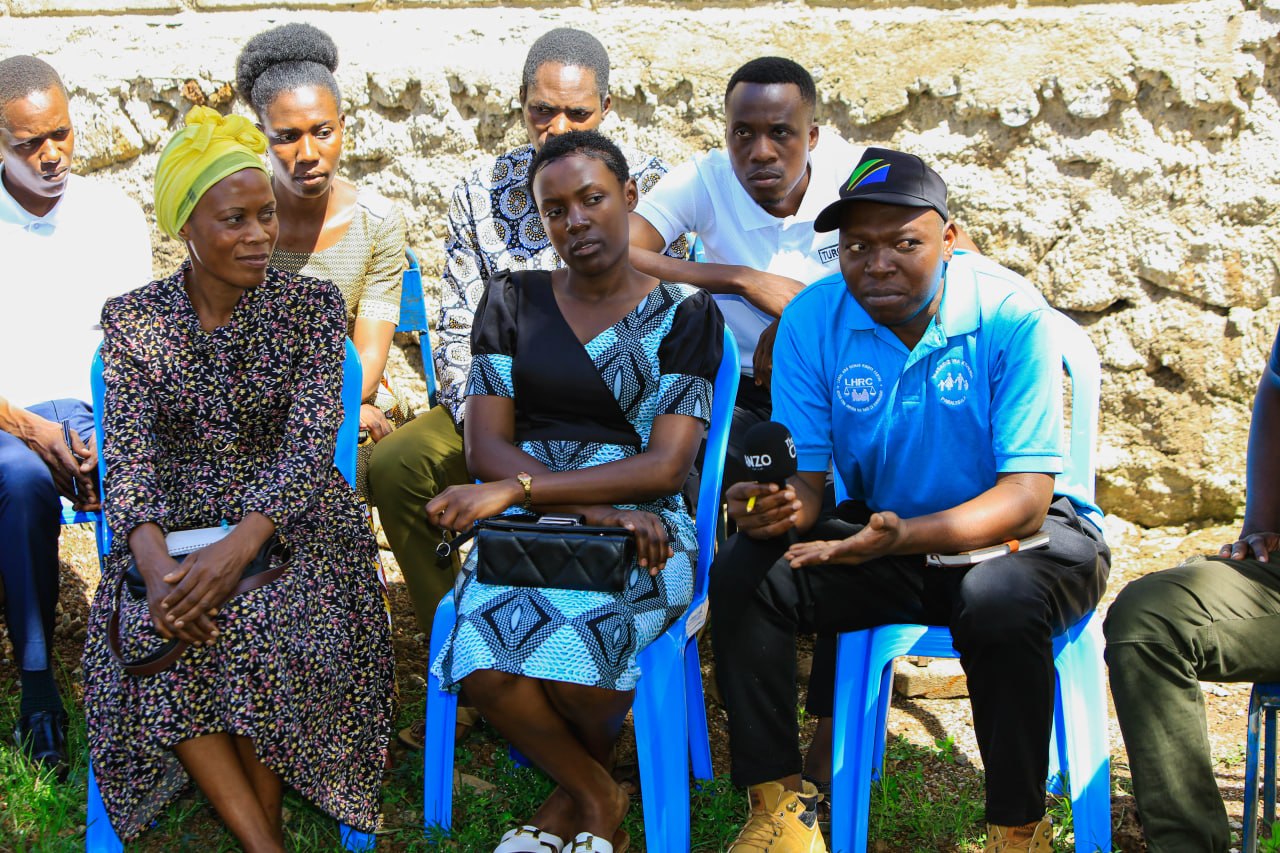
The core of the dispute centred on the requirements for accessing the funds. The Development Officer explained that applicants must provide business licenses, bank statements, and proof of business turnover.
“No one can loan money to someone without business documents,” the officer argued. “Even if you go to borrow somewhere, they will ask for your cash flow, your bank statement, and your business license.”
This explanation infuriated the youth, who pointed out the inherent contradiction: they need the loan to start a business, but they need an existing business to get the loan.
“I want to escape the wave of poverty,” one young man challenged the officer. “Now you are telling me to give you my business turnover, when I need that capital to be the source to increase my turnover? How does that work?”
READ MORE: ‘Just to Live’: Broken Loans and Silent Leaders Leave Musoma’s Youth With No Faith
Another participant highlighted the absurdity of expecting recent graduates to have financial histories.
“We youth on the streets don’t have ATM cards, we don’t have bank statements,” she explained. “When I graduate, I am empty. I have no money, no capital, no job. I expect that the government will empower me so I can start my small business.”
The youth’s experiences in Tarime reflect a broader national crisis in youth financial inclusion.
According to a recent study, there was a staggering 57 per cent decline in youth loan recipients in 2023 compared to the previous year. This drop was largely attributed to a shift from direct LGA lending to bank-managed processes, which introduced the very barriers the Tarime youth are protesting.
Authorities pursued the move believing that it’d address longstanding complaints around inefficiencies, including defaulting problems that bedevilled the loans for many years.
READ MORE: No Factory, No Future: Musoma’s Youth Are Left with Two Bad Options
The Development Officer defended the government’s approach, arguing that youth need to “change their mindset” and that “opportunities don’t follow a person; you have to go look for them.”
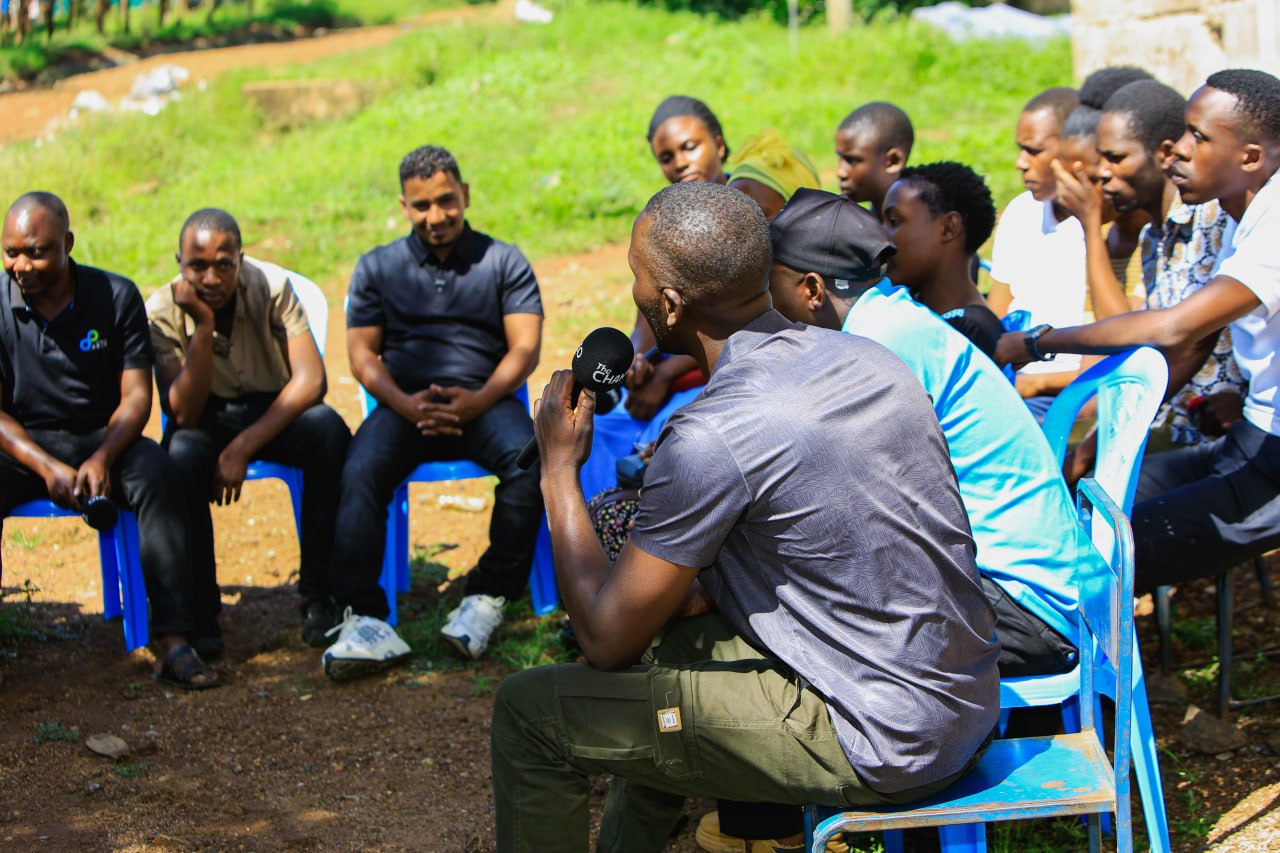
He noted that the government has introduced new loan categories, including individual loans through NMB Bank, to address complaints about group lending requirements.
However, the youth remained unconvinced, arguing that the system is fundamentally disconnected from their reality. One participant noted that the requirement to have a permanent residence automatically disqualified many young people who are still struggling to establish themselves.
“A person has just left home and is struggling for a year; they don’t even have Sh100,000 shillings—how do they get this loan?” he asked. “The government is bringing us challenges; it doesn’t want to solve the problems of the youth.”
As Tanzania grapples with high youth unemployment—which the World Bank recently targeted with a US$550 million financing package—the dialogue in Tarime highlights a critical policy failure.
Until empowerment schemes are designed to meet youth where they are, rather than where banks want them to be, the promise of financial inclusion will remain an illusion for Tanzania’s poorest young people.