
Zanzibar is best known for its white sandy beaches, turquoise waters and breathtaking scenery features that have made the islands one of East Africa’s most popular tourist destinations.
But beyond those postcard images lies another attraction: the culture of its people.
Traditional cuisine, clothing, language and everyday ways of life have increasingly become part of the experience sought by visitors who want to understand Zanzibar beyond its beaches and resorts.
Women are among those benefiting from and contributing to the tourism industry through cultural activities and small businesses. They paint henna, prepare traditional food, sell clothing and introduce visitors to the everyday life and customs of Zanzibar.
The opportunity is significant in a society where women make up more than half of the population. According to the 2022 Population and Housing Census, Zanzibar has 1,889,773 residents, of whom 51.6 per cent are women.
Tourism itself is a pillar of the islands’ economy. Accommodation and food services contributed 13.3 per cent of Zanzibar’s Gross Domestic Product (GDP) in the first quarter of 2026. The sector is also a major source of foreign exchange, estimated to account for more than 27 per cent of GDP and about 80 per cent of foreign-exchange earnings.
In Bububu, about 10 kilometres north of Zanzibar’s historic Stone Town, a group of 40 women has built a livelihood around preserving and promoting the culture of Zanzibar through tourism.
Known as ‘Mamas of Zanzibar’, the group has become both a source of income and a space where women work together to sustain their families and improve their lives.
From loneliness to a collective livelihood
Six years ago, Maskat Shineni began the journey that would eventually become Mamas of Zanzibar during a period of profound change in her own life.
A mother of three whose marriage had ended, Maskat found herself spending more time with the women who lived around her. Conversations with her neighbours revealed something she believed could become an opportunity: they possessed extensive knowledge of traditional cooking, customs and everyday Zanzibari life.
“I started Mamas of Zanzibar six years ago. At the time, I was a single mother of three children. That gave me enough time to get to know my neighbours and spend time with them,” Maskat says.
READ MORE: The High Cost of Tourism: Zanzibar’s Race to Build Jeopardises Its Heritage
She is speaking from her home, where the group gathers every morning, sitting beside a traditional coconut grater.
Turning that idea into a sustainable initiative, however, was not easy.
Some women who joined the group were facing serious personal and financial challenges, while the group itself lacked the resources to assist everyone who needed help. Others who were part of the group in its early days eventually left after becoming discouraged by the slow pace of progress.
“Many women come to us with challenges and need help, but we cannot help everyone because our capacity is limited,” Maskat says. “Even some of those who started with us have left along the way because of different challenges.
“That shows us that we still have a long journey ahead to ensure that more women can find opportunities and improve their economic circumstances through tourism.”
Women at the heart of Zanzibar’s tourism story
The role of women in Zanzibar’s economy and society cannot be separated from their numbers. With women accounting for more than half of the population, their participation in tourism, culture, food businesses and other small enterprises has important implications for both household incomes and the wider economy.
Data from Zanzibar’s Office of the Chief Government Statistician show that the islands received 638,498 tourists in 2023. The number rose to 736,755 in 2024 a 15.4 per cent increase.
By October 2025 alone, Zanzibar had already recorded 743,605 visitors, surpassing the total number received during the whole of 2024 before the year had even ended.
For 62-year-old Fatma Haji, one of the founding members of Mamas of Zanzibar, the group has been a gradual journey of learning and rebuilding her life.
Tall and slender, Fatma is perhaps most noticeable for her energy and sense of humour, which come through as she talks to visitors and fellow members of the group.
“When I started here, I worked with all my heart, believing that eventually the results would come,” she says. “Today I earn an income through the activities we do with visitors. What makes me happy is that I can support myself and meet my own needs without becoming a burden to someone else.”
Fatma says some visitors who became interested in her life and work offered support that helped transform her living conditions—including helping her acquire a house.
“The visitors we meet here have become part of my success,” she says as she strains tea and pours it into a metal kettle. “Some visitors saw me and understood my situation. They supported me until I was able to have a house built.
“For me, that is a very big achievement because now I have somewhere to live, as well as an income that helps me continue with my life.”
“My children’s needs are not an obstacle”
Among the women welcoming visitors and introducing them to Zanzibari culture is Subira Mikidadi.
Energetic and skilled, Subira teaches visitors how to tie a kikoi and wear a traditional cap, while women visitors are shown how to wrap a khanga in a traditional Zanzibari style.
For Subira, every visitor represents an opportunity to share her culture while earning an income.
“I really love this work because when I meet visitors, I get the opportunity to show them our culture,” she says. “Teaching them how to tie a kikoi, wear a cap and teaching women how to wrap a khanga makes me happy. At the same time, this work helps me and my family.”
READ MORE: Zanzibar’s Service Receipts Hit USD 1.27 Billion
Subira says the income she earns through the group helps meet everyday needs, including food and her children’s education. Beyond the money, she says, the group has given her emotional support and greater confidence.
“Since joining Mamas of Zanzibar, I am truly proud,” she says. “The group helps me a lot and now I can support myself. There are small needs that I can take care of, my children’s school expenses and the challenges that come up from time to time.
“My family and I receive support through this work, and I am very grateful because it has given me great comfort in life.”
Travelling to learn, not simply to see
For some tourists, coming to Zanzibar is no longer simply about seeing the scenery and returning home. It is an opportunity to learn, participate and gain a deeper understanding of local life.
Among them is Amira Rajibali, a British visitor living in Germany, where she studies culinary arts.
Her trip to Zanzibar brought her to Mamas of Zanzibar, where she had the opportunity to learn about traditional cooking and the culture surrounding it.
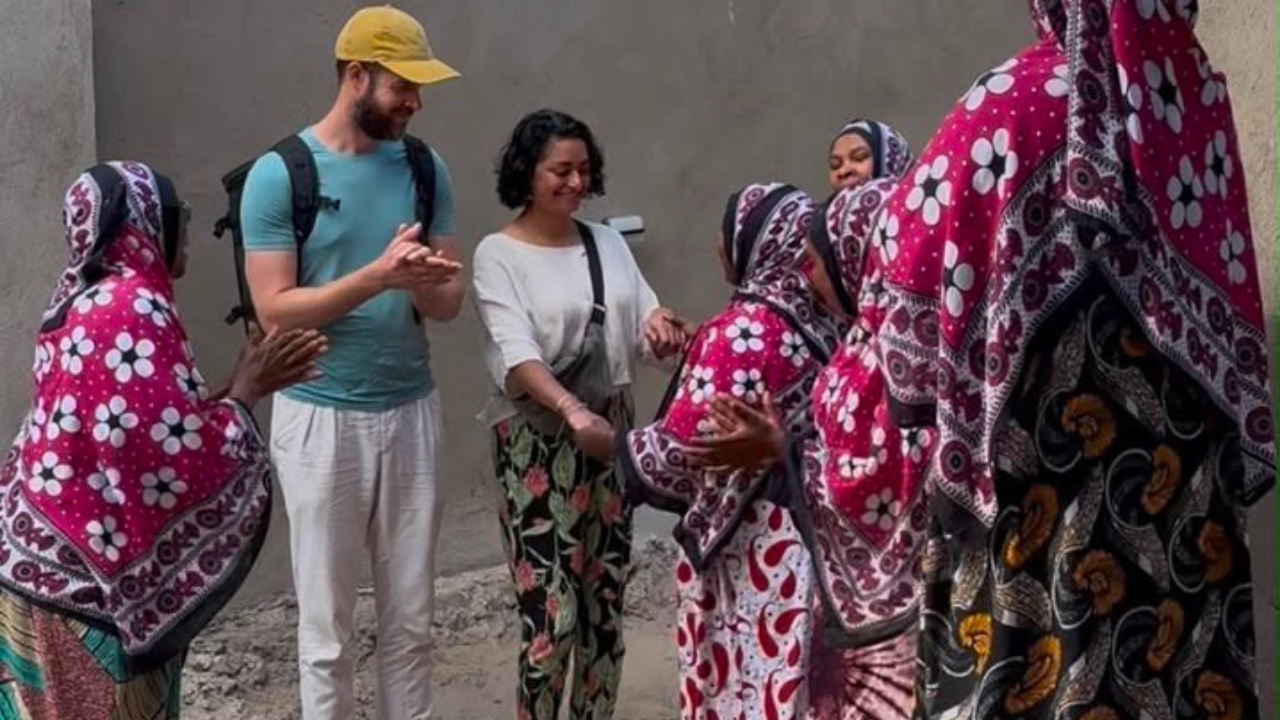
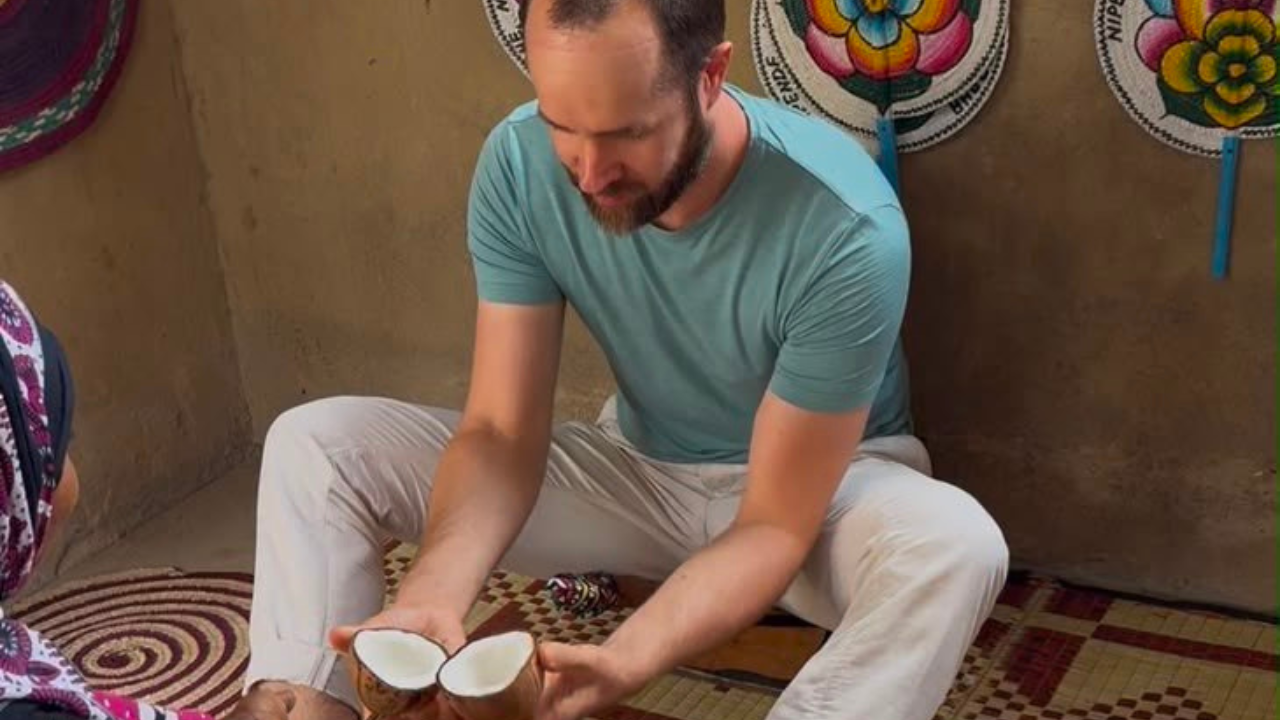
“I discovered Mamas of Zanzibar online,” Amira says, holding a cup of coffee. “Because I am studying cooking, I wanted to gain experience with Zanzibari cuisine. I have really enjoyed the way these women welcomed us and made us feel at home.”
Nicholas Joseph travelled from Australia to Zanzibar with his wife and was similarly drawn to Mamas of Zanzibar after discovering the group through its website.
The experience gave the couple an opportunity not only to learn traditional recipes, but also to visit a market and gain insight into local customs and everyday life.
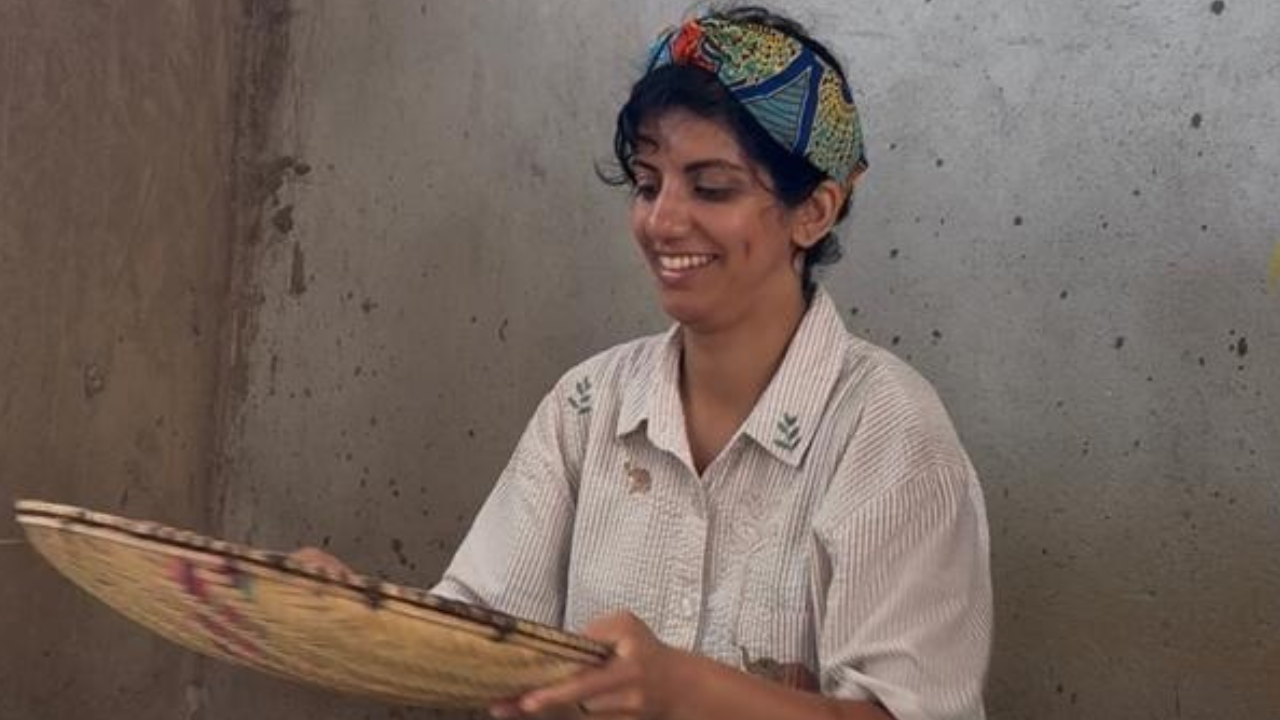
“When we were looking for a unique experience in Zanzibar, we found Mamas of Zanzibar through their website,” Nicholas says as he uses a traditional winnowing basket to separate rice.
“We were attracted by the way they give visitors the opportunity to learn about Zanzibar’s culture directly. That is why my wife and I decided to come and take part.”
Culture as an economic opportunity
Zanzibar’s government has repeatedly emphasised the importance of tourism to the islands’ economic future.
Speaking at the Kizimkazi Festival on August 12, 2026, Zanzibar President Dr Hussein Ali Mwinyi stressed that tourism should go hand in hand with culture and economic opportunities for local people.
“The Kizimkazi Festival has continued to be an important platform for promoting Zanzibar’s culture, tourism, trade and investment opportunities,” President Mwinyi said during the festival’s opening.
He added that the government would continue improving the investment environment and productive infrastructure, with the ambition of increasing annual tourist arrivals from 800,000 to 1.5 million.
For the women of Mamas of Zanzibar, those ambitions are not simply statistics.
They are reflected in the visitors who arrive at their homes, learn how to prepare traditional food, wear local clothing, grate coconuts, winnow rice and listen to stories about life on the islands.
And for women such as Maskat, Fatma and Subira, culture is more than something to be preserved for tourists.
It is a skill, a source of dignity and increasingly, a means of making a living.
Najjat Omar is The Chanzo’s journalist based in Zanzibar. She is available at najomar@live.com.

One Response
Love Zanzibar ! hoping to visit one of these days !
From The Egyptian State of Sanaag (Arab Amharic Republic)