
Dodoma – Tanzania’s Ministry of Education, Science and Technology has launched the Fourth National Inclusive Education Strategy for 2026/27–2030/31, alongside nine guidelines and assistive devices aimed at improving learning opportunities for students with disabilities in secondary schools and universities.
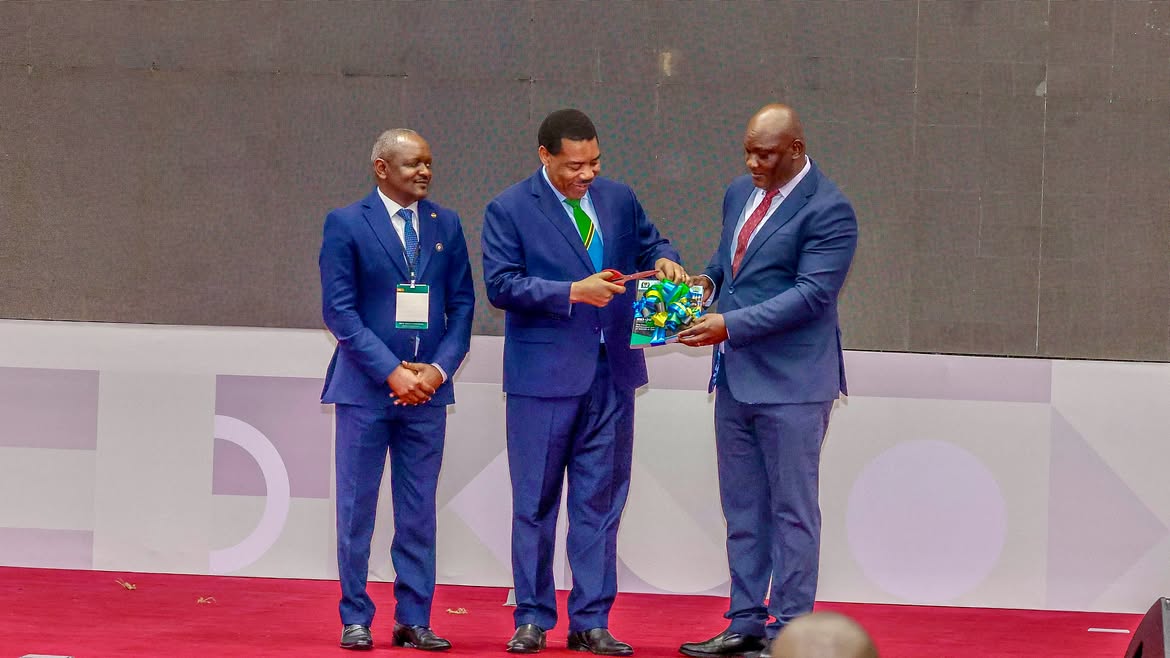
Launched in Dodoma on October 16, 2026, the strategy seeks to strengthen the provision of special and inclusive education, enabling students with disabilities to become more independent, participate fully in academic activities and overcome barriers that affect their learning.
Speaking at the launch, Minister for Education, Science and Technology Professor Adolf Mkenda said the investment was intended to ensure students with disabilities could access knowledge, communicate effectively and participate meaningfully in teaching and learning.
“The assistive devices will also help improve communication, access to knowledge and participation in teaching and learning activities,” Mkenda said.
He urged educational institutions to treat the strategy, guidelines and distributed equipment as practical tools for transforming learning environments rather than documents and materials intended merely to demonstrate progress.
Mkenda emphasised that the success of the initiative would not be measured simply by the number of guidelines published or devices distributed, but by improvements in learning environments, student participation, access to services and educational outcomes.
“I therefore urge all educational institutions to ensure that this investment delivers the intended results,” he said.
READ MORE: New Strategy Aims to Tackle Foundational Learning Crisis in Tanzania’s Primary Schools
The government has continued investing in infrastructure and services for students with special educational needs. According to Mkenda, more than Sh12 billion has been spent on renovating educational facilities, including model inclusive schools, dormitories and long-established special education schools.
The government has also introduced home-based and hospital-based learning programmes for students whose health conditions prevent them from attending conventional classrooms.
“Currently, 691 students are enrolled in home-based education, while 60 others are receiving education in hospitals across the country,” said Mkenda.
He said the latest intervention also includes digital assistive devices for secondary school students. A total of 200 laptops have been provided to students with physical disabilities, while 240 tablets have been allocated to deaf students to support writing, learning and communication.
University students with disabilities have received additional equipment, including computers, tablets, hats, sunscreen lotions, audio recorders, white canes and three-wheeled mobility vehicles, commonly known as bajaji. The equipment supplied to university students cost Sh200 million.
The United Nations Children’s Fund (UNICEF), which participated in the launch, reaffirmed its commitment to supporting Tanzania’s efforts to ensure equal learning opportunities for children with disabilities.
UNICEF representative Ayoub Kafyulilo said inclusive education required the removal of barriers preventing children from learning effectively, including inadequate assistive technology and inaccessible learning environments.
In support of the government initiative, UNICEF, with funding from the Government of Canada, provided the 200 laptops and 240 tablets to help children with disabilities benefit from digital technology.
Kafyulilo stressed that inclusive education meant more than simply enrolling every child in school. It also required ensuring that learners could participate fully, acquire knowledge and reach their potential.
Despite these interventions, shortages of specialised teachers remain a significant obstacle to delivering inclusive education.
READ MORE: Education Minister Seeks Field Insights on Updated School Syllabi
The Controller and Auditor General’s report for the 2024/25 financial year highlighted the scale of the challenge. An assessment of schools serving learners with special needs across eight local government authorities found that they had special education units serving 1,577 learners but faced a shortage of 221 teachers against a requirement of 304.
The shortfall represented 72.7 per cent of the required teaching workforce, raising concerns about whether schools have sufficient specialised personnel to provide appropriate support.
Jackline Kuwanda is a journalist for The Chanzo based in Dodoma. You can reach her at: jaquelinevictor88@gmail.com.