
Dodoma – Tanzania’s Chief Government Spokesperson, Gerson Msigwa, has urged citizens to reject calls for violence and unlawful activities, insisting that public grievances must be addressed through established legal and institutional channels.
Speaking to journalists in Dodoma on Sunday, Msigwa said challenges facing citizens were legitimate subjects for public discussion but could not be resolved through violence, provocation or actions that undermine the country’s laws, values and cultural foundations.
“Challenges exist. Tanzanians are free to speak about them,” Msigwa said, emphasizing that citizens should express their concerns without engaging in activities that threaten peace and public order.
His remarks come amid recent strikes involving drivers and reports of tensions affecting some Bajaji drivers and vendors in Mbeya City.
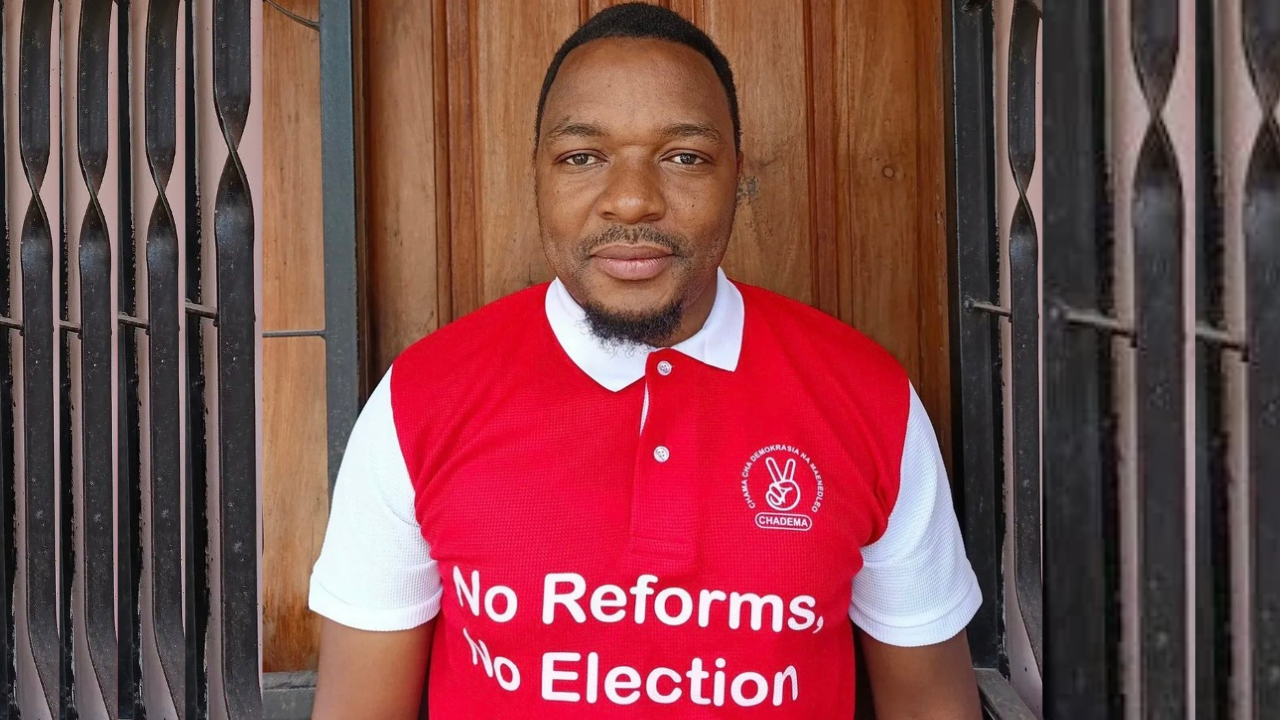
They also follow online campaigns by activists demanding political reforms, changes to the criminal justice system and accountability for violence reported during the October 29, 2025, general election. Some online campaigners have called for protests, which the government views as a potential source of unrest.
Referring to last year’s election-day unrest, Msigwa argued that Tanzanians themselves had worked to restore normalcy, allowing markets, schools, hospitals and farms to resume operations. He criticized those he accused of encouraging disorder, saying they were absent when people needed to rebuild.
He warned that the government and security agencies would act against anyone involved in violence, regardless of their status.
“No one is above the law. Whoever breaks the law, the law is a saw,” Msigwa said, using the expression to underscore that legal consequences apply to everyone.
The spokesperson also issued a warning over online activities, saying security agencies were monitoring social media and tracking individuals suspected of incitement.
READ MORE: Govt’s Chief Spokesperson Gerson Msigwa Defends Samia’s Record on Democracy, Economy
He urged young people to use digital platforms productively, including to earn money, acquire knowledge, market goods and build professional networks, rather than encourage others to break the law.
“Use social media to make money … not to encourage one another to break the law,” he said.
Msigwa called on journalists to help promote peaceful engagement by publishing reports and analysis highlighting the consequences of violence. He argued that national unity and lawful action were essential for countries seeking development and stability in an increasingly competitive world.
He also cautioned that Tanzania could not rely on outsiders to resolve its internal problems, urging citizens to take collective responsibility for protecting the country.
The government’s position, he said, was that grievances should be heard and addressed through existing legal mechanisms.