
Dar es Salaam – CHADEMA says it will not participate in President Samia Suluhu Hassan’s reconciliation process unless its imprisoned chairperson, Tundu Lissu, is released unconditionally and the talks involve an international mediator trusted by both sides.
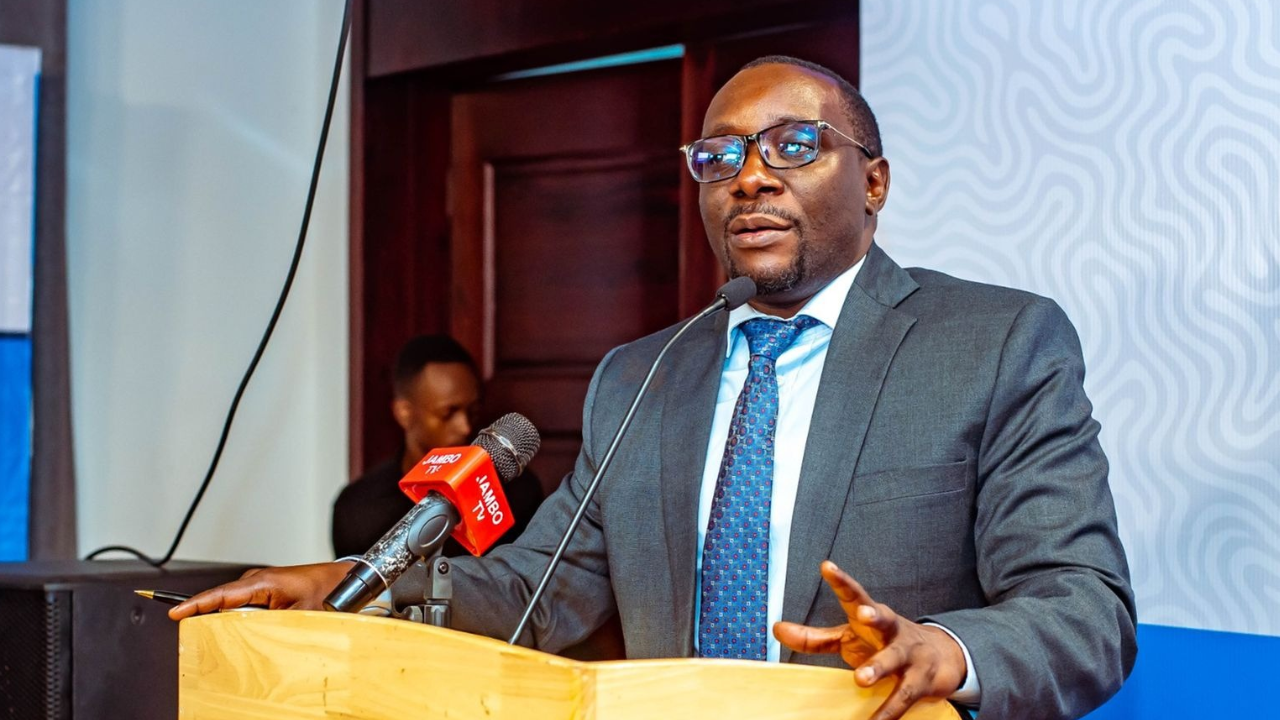
Deputy chairperson (Mainland) John Heche set out the position during a press conference at the party’s headquarters in Mikocheni on November 24, 2026, saying any negotiations must address demands for a new constitution and electoral reforms.
“For us to participate in any talks, our chairperson Tundu Lissu must first be released,” he said, insisting that Lissu should lead the party’s delegation.
Heche said the position reflected decisions of CHADEMA’s central committee, reaffirmed at its August 29 meeting, rather than his personal preference. The party would accept talks conducted in good faith and transparently before Tanzanians at every stage, he said.
“Our party has never rejected any meaningful discussion,” Heche said, distinguishing its conditions for participation from opposition to dialogue itself.
READ MORE: Samia Opens Reconciliation Talks, But CHADEMA Stays Away
Heche argued that President Samia’s government and the ruling CCM were parties to the political dispute and could not also act as its neutral arbiters. He accused the authorities of using prosecutions, abductions and violence against opposition members, allegations he cited as reasons for requiring outside mediation.
“You cannot be a judge of your own cause,” he said. He stressed that CHADEMA wanted an international mediator acceptable to both sides, not someone selected solely because the opposition trusted them.
He also demanded the release of other detained party members, withdrawal of cases he described as fabricated and an end to abductions. Meaningful negotiations, he argued, required an environment in which participants did not fear arrest or coercion if they rejected proposals.
Responding to a question about taking those demands to the negotiating table, Heche said continued arrests were incompatible with assurances of good faith. He maintained that authorities already knew the party’s formal position through its communications and public statements.
Asked whether insisting on Lissu’s release placed one individual above the party, Heche said the chairperson had been elected by its national congress and was entitled to lead negotiations. Decisions would nevertheless remain the responsibility of party organs, including after his release.
READ MORE: Kivulini Talks: Reconciliation Talks in Tanzania After October 29—Ruse or Genuine Intention?
“Lissu is not the alpha and omega,” he said. “Lissu is the leader of our party who was entrusted by the congress, and he is the one who should lead these talks.”
Heche criticised both the treason prosecution and the subsequent incitement conviction as unjust. The High Court acquitted Lissu of treason on November 6 but convicted him of incitement and sentenced him to four years in prison.
The judges held that incitement was a lesser, related offence and that the trial had given Lissu an opportunity to defend himself, a finding he disputes. He filed a notice of appeal on November 9 challenging the conviction and sentence.
CHADEMA did not attend President Samia’s November 16 meeting with political party leaders at State House, while ACT Wazalendo and other political parties participated. Heche argued that meetings with other parties could not resolve the dispute between CCM and CHADEMA without CHADEMA’s involvement.
He cited Zanzibar’s separate CCM–ACT Wazalendo negotiations as an example of engaging the parties directly involved in a political dispute. Those parties signed a reconciliation agreement on July 9 and launched a joint committee in September.
READ MORE: Tanzania After October 29, 2025: Will Reconciliation Without Empathy Work?
Speaking to senior police officers in Moshi on November 20, President Samia said a reconciliation commission would be announced soon, following consultations with religious groups, political parties and civil society. Religious organisations had been asked to nominate members, she said.
She described its purpose as bringing the nation together, identifying grievances and determining necessary constitutional changes, with a revised or new constitution envisaged by 2028 or 2029.
Heche, however, said CHADEMA was not part of the process currently underway. Its participation, he insisted, depended on Lissu’s freedom and credible mediation, with a new constitution and electoral reforms remaining its substantive agenda.