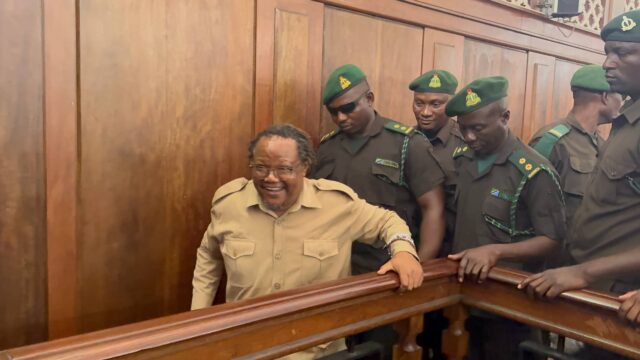
Lissu Completes Final Defence, Tells Judges Treason Charge Ends in Conviction or Acquittal
The prosecution is due to begin its closing submission on September 29 after Lissu argued that the evidence leaves no case to answer.
The prosecution is due to begin its closing submission on September 29 after Lissu argued that the evidence leaves no case to answer.

The defence argues that the alleged words are neither treason nor another criminal offence, and that spoken words cannot amount to an overt act under the charge.
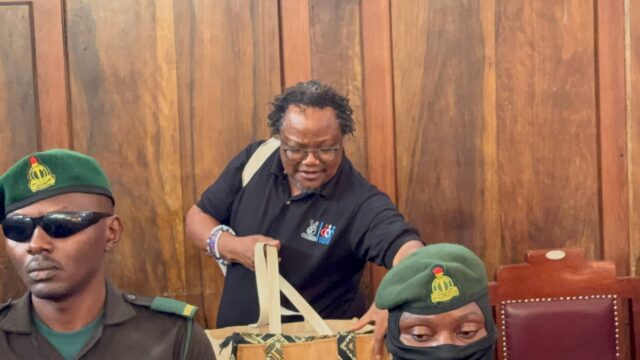
The defence argues that the indictment does not identify the people or state organ allegedly threatened.
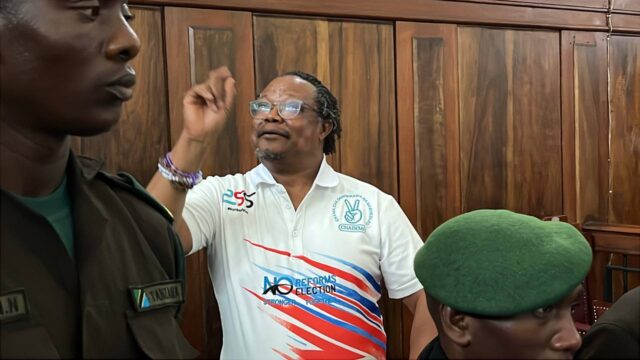
The court says the prosecution—not the defence—had to prove whether alleged threats were felt, while finding that three senior security officials could give relevant evidence.
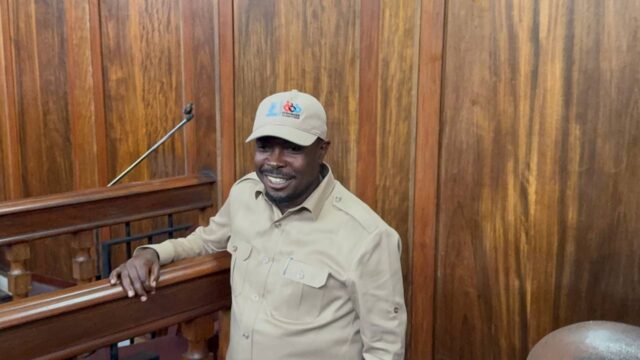
John Heche told the High Court that an April 2025 speech explained a party policy adopted after disputed local polls, following Brenda Rupia’s cross-examination.
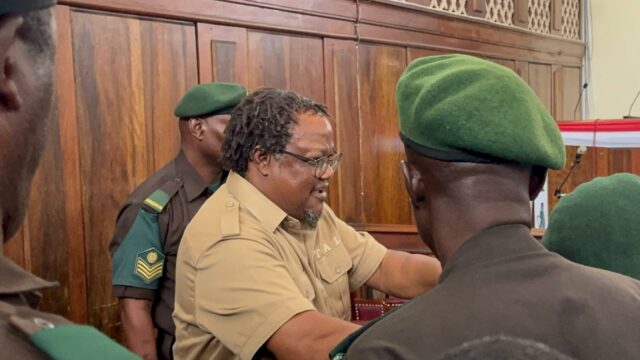
Deputy secretary general tells the court the party’s ‘No Reforms, No Election’ position followed “systematic irregularities” in the 2024 local government polls.

The party’s secretary general defended the disputed April 2025 address as an officially adopted electoral reform campaign independently broadcast by journalists.
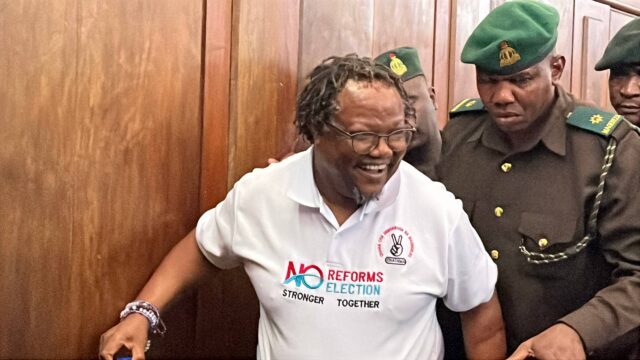
In his first full day of testimony, CHADEMA’s chairperson recounted his activism, prosecutions, and 2017 shooting, then detailed his version of his April 3, 2025, remarks to aspirants.
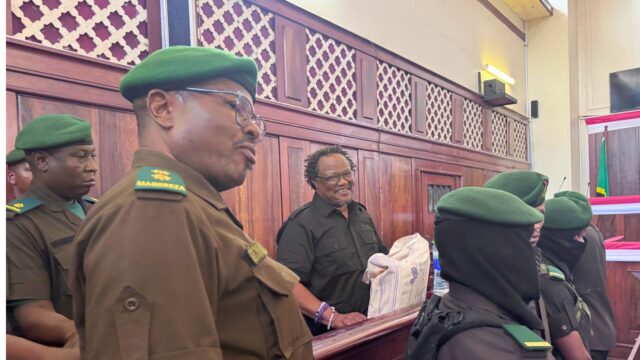
Lissu accused police of decades-long political persecution and exposed procedural gaps in the treason case against him during cross-examination on August 11, 2026.

Panel discussion at Tanzania Democracy Forum highlights how resource conflicts, marginalisation, and restricted civic space create conditions for radicalisation.