
Why Lawful, Professional Policing Is Tanzania’s Real Justice Reform
Tanzania’s justice monitoring guide should test whether police and courts build cases lawfully enough to last—because procedure is a precondition for justice, not an obstacle to it.
Tanzania’s justice monitoring guide should test whether police and courts build cases lawfully enough to last—because procedure is a precondition for justice, not an obstacle to it.
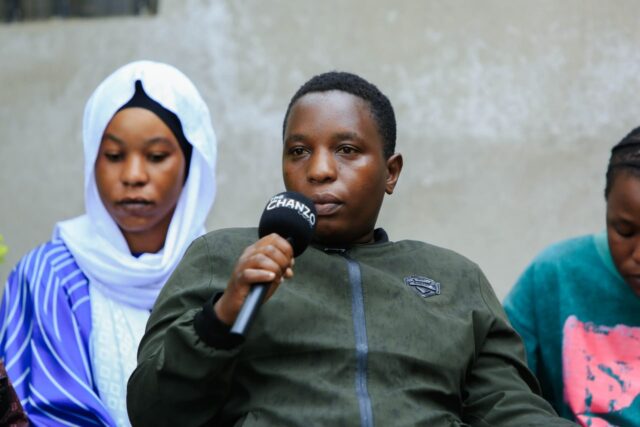
Across five regions, young Tanzanians say the opportunities exist — they just can’t reach them.

AI can generate a stunning crochet pattern in seconds—but it can’t pick up the yarn, count the stitches, or pray over a baby blanket.
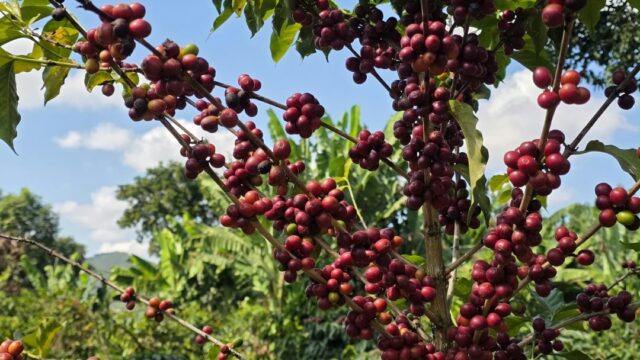
In Tanzania’s Southern Highlands, women spend their lives harvesting coffee—yet the cup it becomes remains a world away.

As global AI misuse surges and China and the US pull nations into rival camps, Tanzania has no policy, no industry strategy, and no shield — and the cost of that vacuum is rising.
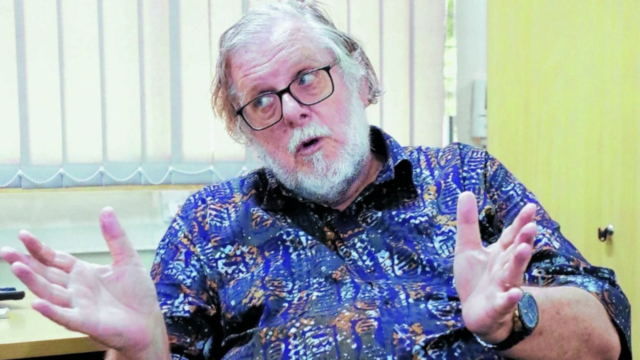
When ‘participation’ becomes something done to people, democracy quietly dies.
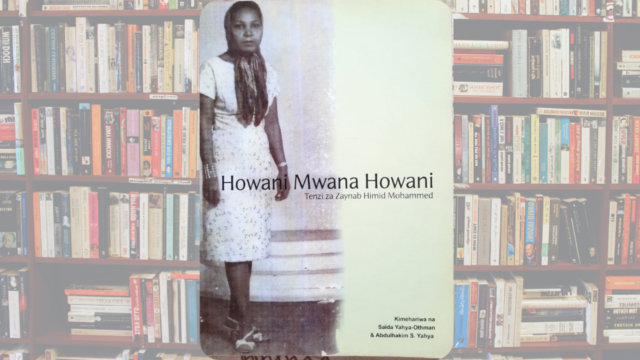
Unaposoma ‘Howani Mwana Howani’ na kuambulia lolote ujue unajinasibisha na elimu-malezi ya kadiri ya mapokeo ya Waswahili.
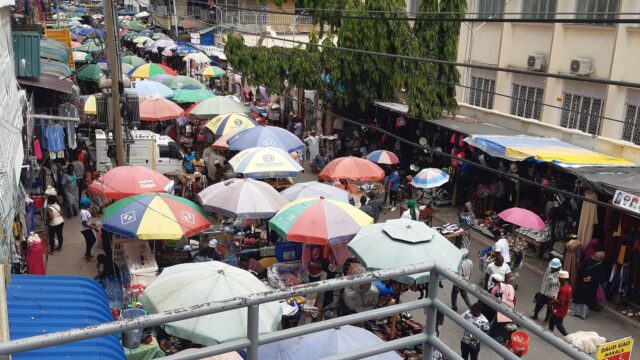
Small businesses should pay their taxes and comply with reasonable regulations. But our relationship with them cannot only be about what they owe the government.
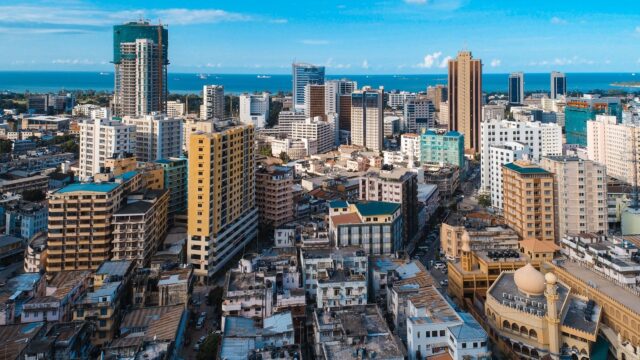
A lot of our online shopping happens on social media. Instagram is full of Tanzanian businesses selling clothes, shoes, beauty products, furniture, electronics, food and almost anything else you can think of.
The way language is used largely defines the way we think as people; hence the need to consciously defend its true meanings against distortions from the “masters.”