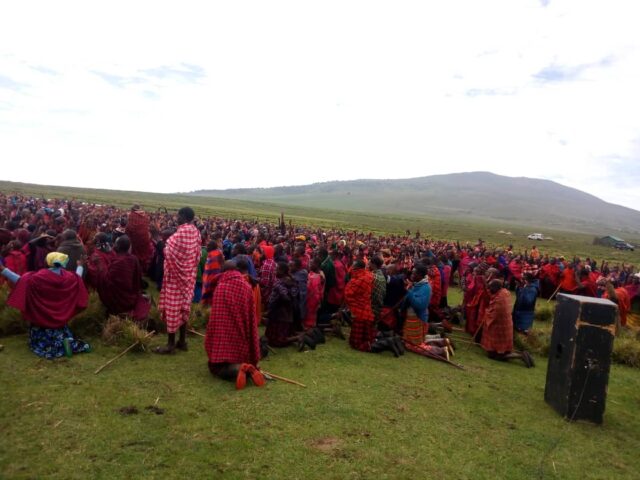
Ngorongoro Reports Legitimise Predetermined Outcomes
Government reports signal Tanzania’s firm pivot to strict conservation, rejecting the prior policy that balanced environmental and local economic needs.

Government reports signal Tanzania’s firm pivot to strict conservation, rejecting the prior policy that balanced environmental and local economic needs.

Colonial looting in Tanzania didn’t just steal objects—it destroyed the invisible bonds of women’s knowledge that sustained entire communities.
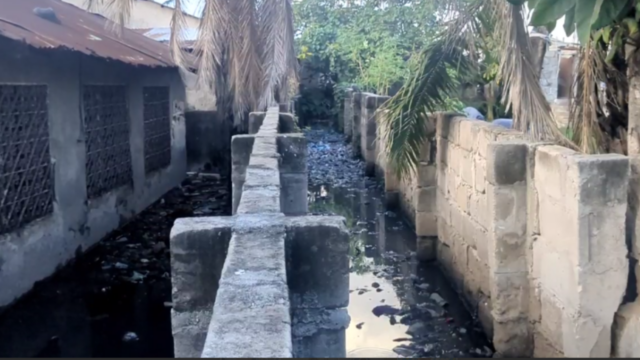
Tanzania faces severe flooding as the Masika rainy season intensifies, highlighting the urgent need for better urban planning and infrastructure management.

Music is everywhere — but its environmental cost is largely invisible. From concert stages to cloud servers, entertainment carries a carbon burden that demands urgent attention.

Tanzania’s challenge is not simply measuring economic activity more creatively, but transforming the underlying productive structure of the economy.

Tanzania’s informal economy swallows trillions in lost revenue every year. Behavioural economics and mobile money may hold the answer.

This Women’s Day, we must ask why history has buried rebel leaders like Tanzania’s Liti Kidanka, whose spiritual resistance against German colonisers challenges us to redefine whose stories we celebrate.

He didn’t raise his voice. He just asked if we truly hate corruption — or only regret not sharing in it.

What I am left with is something more uncomfortable: the recognition that progress is real, and insufficient, and reversible.

To genuinely align with UN and AU standards, the Commission requires critical reforms based on global lessons. Its mandate must prioritise gross human rights violations, avoiding the dilution of an overly broad focus.