
Dar es Salaam – In the heart of Tanzania’s burgeoning industrial landscape, a harsh reality is unfolding for many young jobseekers.
While the government champions its industrialisation agenda as a panacea for youth unemployment, a recent youth dialogue in Kibaha has revealed a darker side to the story: a world of bribery, sexual exploitation, and precarious labour conditions.
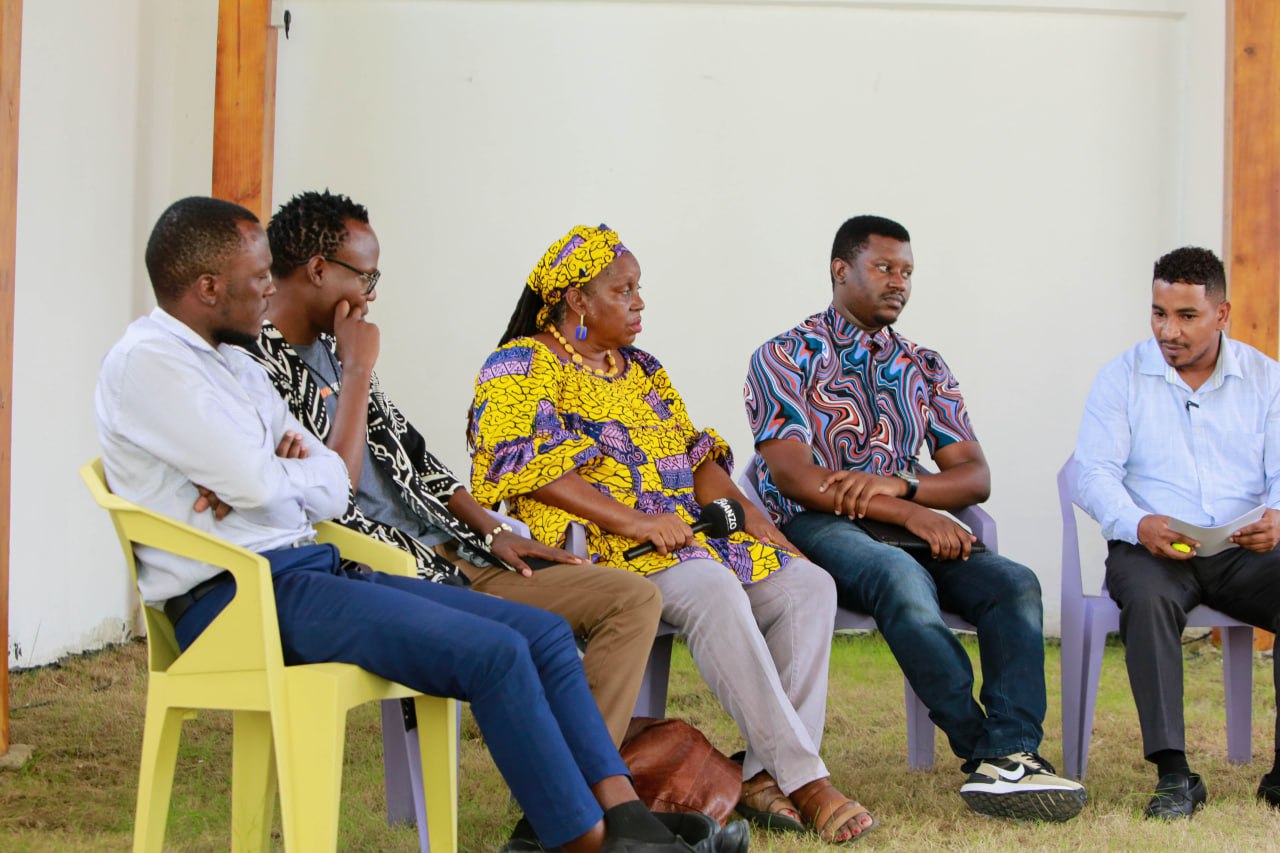
The second episode of Dira Mtaani: Vijana Wanasemaje, a youth talk series organised by The Chanzo and the European Union Delegation in Tanzania, brought to light the struggles of young people in Kibaha, a district in the Pwani region that has become a focal point of Tanzania’s industrial ambitions.
The area is home to the sprawling Sino-Tan Kibaha Industrial Park, a 2,500-acre mega-project expected to host over 200 factories and create more than 100,000 jobs. However, for many local youth, these opportunities remain tantalisingly out of reach, locked behind a wall of corruption and exploitation.
Rehema Magesa, a young mother of two, shared her disheartening experience of trying to secure a job at a local factory. “A factory hires you if you have money,” she said. “You have to give money to the manager to get in.”
READ MORE: Dira Mtaani: Tanzania’s Youth at a Crossroads—Legitimate Hustle or Illicit Shortcut?
After three fruitless trips to the factory, each costing her Sh12,000 in transport—a significant sum for someone unemployed—she was told to come back another day. “I lost hope,” she admitted.
Her story was echoed by others at the talk. Watwende Salum, another young woman, spoke of the pervasive issue of sexual harassment in the hiring process. “For us girls and women, there is that challenge,” she said.
“You can go to ask for a job with all your CVs and miss out on the job. He will tell you, ‘You want a job? Come to a certain place in the evening, and we will meet.’ There is sexual bribery.”
These personal testimonies paint a grim picture that stands in stark contrast to the government’s narrative of industrial progress.
While the government has celebrated the establishment of 131 new industries in the Pwani region during its sixth term, the experiences of these young people suggest that the benefits of this industrialisation are not being evenly distributed.
READ MORE: Government Issues Sh200 Billion for Economic Empowerment of Youth and Women
The very people who were meant to be uplifted by these new opportunities are instead being victimised by a system that preys on their desperation.
The issue of labour exploitation is not new in Tanzania. The country’s Employment and Labour Relations Act of 2004 provides a legal framework for protecting workers’ rights, but enforcement remains a major challenge.
The law prohibits discrimination and harassment in the workplace, but the stories from Kibaha suggest that these provisions are being openly flouted.
The problem is further compounded by the precarious nature of the work itself. Emmanuel, a young man who had worked in a factory, described gruelling 12-hour night shifts for a meagre wage of Sh10,000. “The work is hard,” he said, “and by the time you finish, you are exhausted.”
The low wages, coupled with the high cost of transport, leave many workers with little to show for their efforts. The new minimum wage for the industrial sector, effective January 2026, is set at Sh175,000 per month, which still falls far short of the estimated Sh1,152,096 monthly cost of basic living for a single person in Tanzania.
READ MORE: Tanzania’s October 29 Unrest: A Crisis of Youth or a Story of Sabotage?
The experiences of the youth in Kibaha raise critical questions about the social and economic impact of Tanzania’s industrialisation drive. Is the creation of jobs enough if those jobs are insecure, poorly paid, and accessible only through bribery and exploitation?
What measures are being taken to ensure that the benefits of industrialisation are shared equitably and that the rights of workers are protected?
The voices of young people like Rehema, Watwende, and Emmanuel are a stark reminder that true development is not just about building factories, but about creating a just and equitable society where every young person has the opportunity to succeed through their own merit and hard work, not through their willingness to pay a bribe or endure sexual harassment.