
Zanzibar — Every day, before the sun rises over the Indian Ocean, women gather at Zanzibar’s fish markets, prepare for work on seaweed farms or organise businesses that depend on the islands’ marine resources.
Their labour sustains households and supports an economy increasingly driven by the sea. Yet, for many of these women, hard work has not translated into substantial financial gains.
In Fumba, on Unguja Island, Mwantumu Haji has spent eight years cultivating seaweed. Her experience reflects the mixed fortunes of women working in Zanzibar’s blue economy, where government support and expanding economic opportunities have brought some improvements, but persistent barriers continue to limit their earnings.
For Mwantumu and members of the Naro Seaweed Farming Group, receiving a motorised boat and other equipment marked an important change. The support enabled them to reach deeper waters, where seaweed grows more abundantly, and improved their ability to transport seedlings, inspect farms and harvest their crops.
“Since we received the boat and other equipment, things have improved, and we can see some relief because some of us were about to quit altogether,” she says.
However, better equipment has not resolved the fundamental problem facing the farmers, that is the gap between the effort they invest in production and the income they receive from selling their harvest.
READ MORE: Mamas of Zanzibar: How Women Are Turning Culture Into a Livelihood Through Tourism
“We are the ones who cultivate seaweed, maintain the farms and harvest it, but the work remains difficult and the profits are small,” Mwantumu says. “We spend a lot of time and energy in the sea, but when we sell our seaweed, the income we remain with does not match the work we do.”
She says access to processing facilities would allow farmers to turn raw seaweed into higher-value products, helping them earn more rather than relying mainly on selling unprocessed produce.
Her experience highlights a wider question about Zanzibar’s blue economy: as the sector expands, how much of its wealth reaches the women who contribute to it?
Women at the heart of the blue economy
Zanzibar’s economy depends heavily on the Indian Ocean, with activities ranging from tourism and related services, fishing and seaweed cultivation to seafood trading, farming to mention a few.
Seaweed farming is Zanzibar’s second-largest export crop after cloves and a vital pillar of the islands’ blue economy. According to the Bank of Tanzania, in the year ending September 2025, seaweed exports earned the semi-autonomous archipelago USD 2.96 million in foreign exchange, contributing to Tanzania’s export earnings.
Women play a particularly prominent role in seaweed farming. Available figures indicate that more than 23,000 people cultivate seaweed in Zanzibar, with women accounting for over 80 per cent of
Their contribution is significant in an archipelago where women represented 51.6 per cent of the population, according to the 2022 Population and Housing Census. Of Zanzibar’s 1,889,773 residents, 974,281 were women.
Despite their numbers and participation, however, women’s involvement in the blue economy does not necessarily translate into equal access to profitable opportunities.
The challenge is visible at Malindi fish market, near Zanzibar’s historic Stone Town, where women arrive early to buy fish for resale. Some sell fresh fish, while others fry it, prepare it for cooking or distribute it through smaller neighbourhood markets.
Among them is Maulid Saleh Haji, 48, who has worked as a small-scale fish vendor for 12 years. Although she considers improvements to market infrastructure beneficial, she says higher operating costs and rising fish prices have made it difficult to increase her earnings.
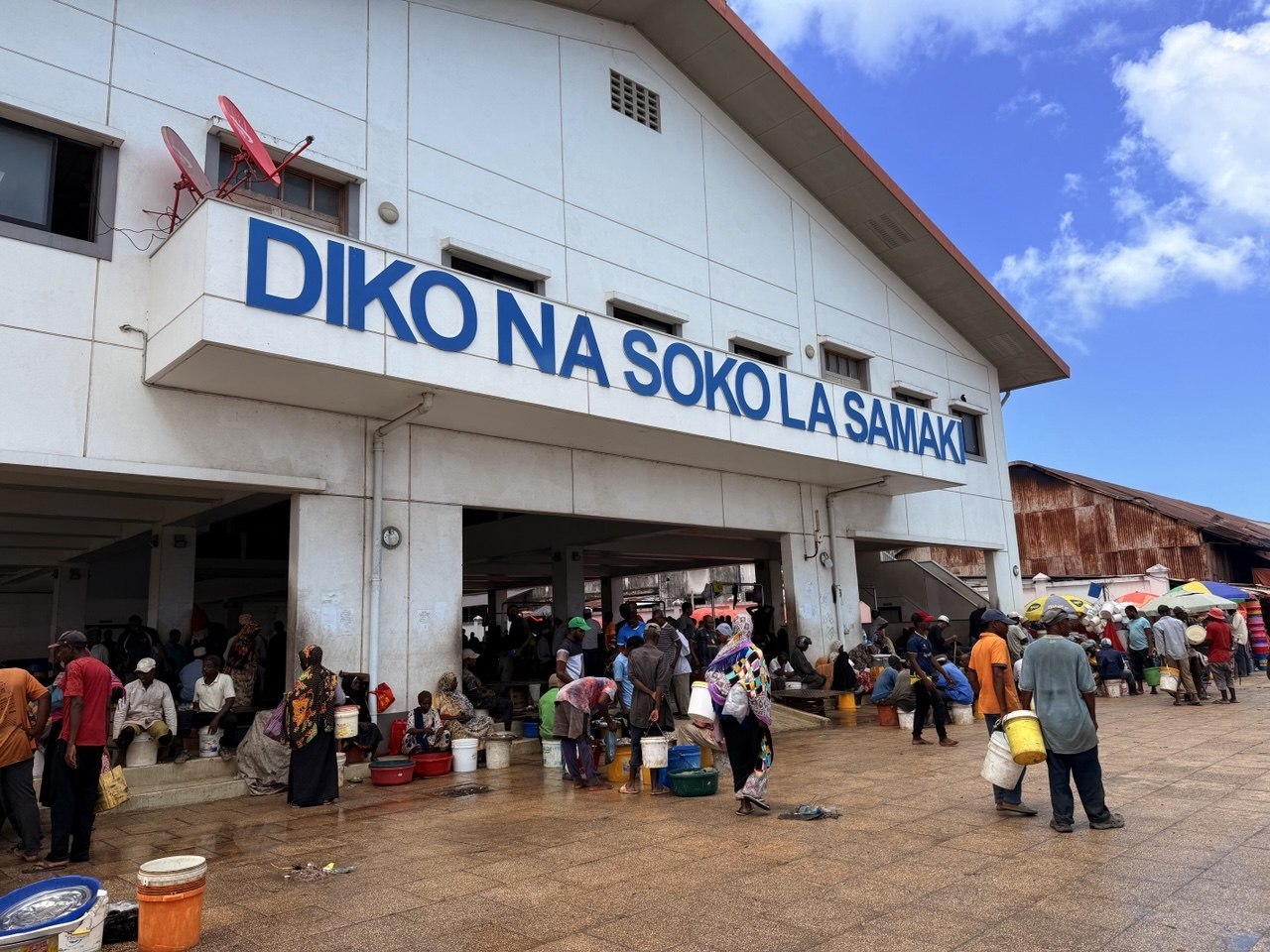
“Your income is just enough to keep your business capital from disappearing and to show others that you are working,” she says. “My life has not changed. With the infrastructure improvements come costs, and fish prices are high. Where is the profit supposed to come from?”
A 10-litre bucket of mixed fish can cost between Sh65,000 and Sh80,000. On some mornings, prices remain high even as late as 10 a.m., making it difficult for traders with limited capital to purchase stock.
Maulid says the difference between small-scale fish venders and fishers is significant: those who own boats or catch the fish can benefit from the initial sale, while women who buy and resell the catch often struggle to generate meaningful profits.
“Today, business is not good. Since we are not fishers but small traders, those who benefit are the fishers and boat owners. We simply keep our capital circulating,” she says.
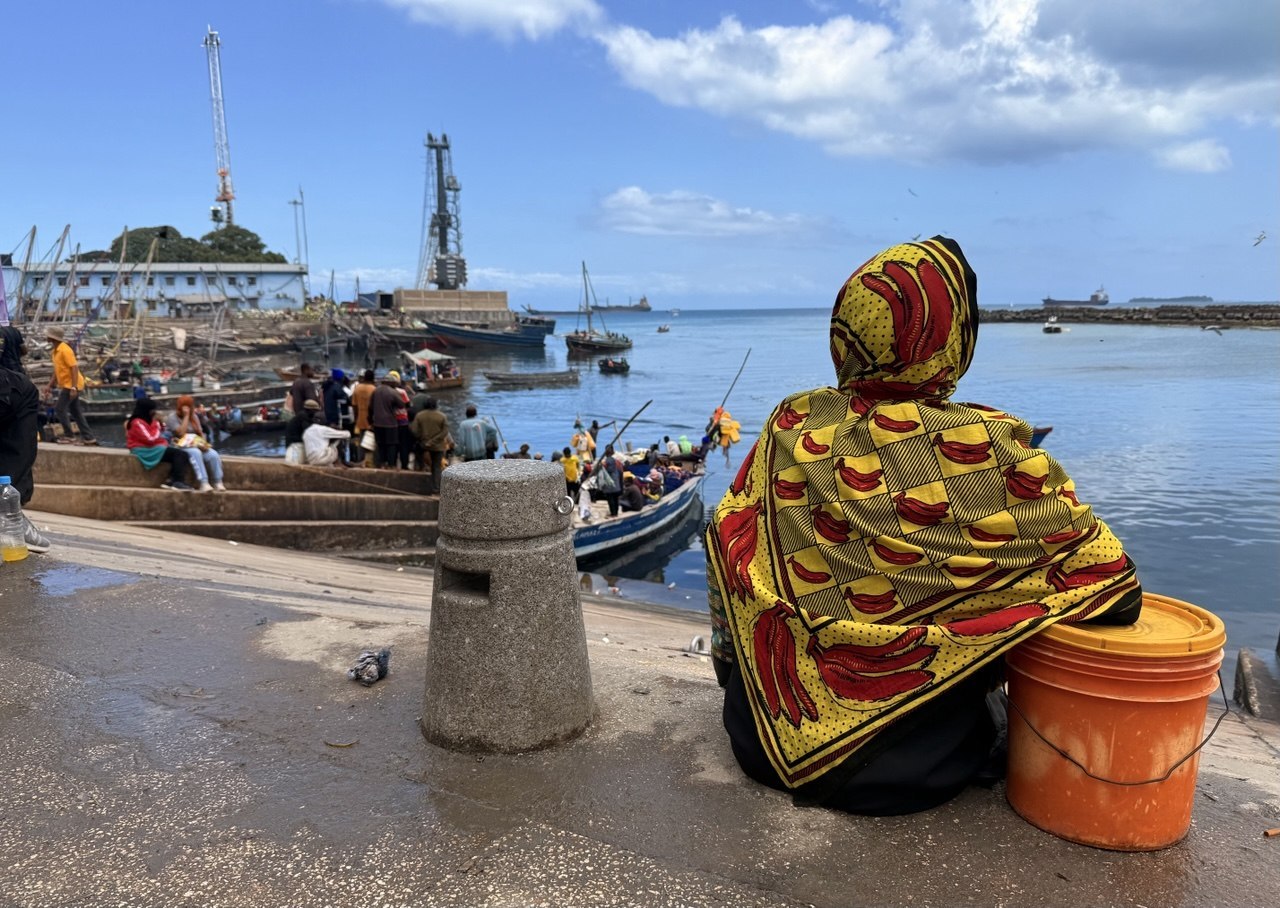
Her account highlights how access to capital can determine who benefits most from the marine economy. Small traders with limited funds cannot easily purchase larger quantities, negotiate better prices or withstand periods of weak demand.
Tourism growth presents opportunities, but women remain less visible
Tourism, another major pillar of Zanzibar’s blue economy, has also expanded rapidly. According to figures from the Office of the Chief Government Statistician, the islands received 736,755 visitors in 2024, rising to 917,167 in 2025.
Tourism earnings also increased, from approximately US$1 billion in 2024 to US$1.19 billion in 2025, strengthening the sector’s role in employment, investment and infrastructure development.
However, the expansion of tourism has not eliminated gender disparities in access to opportunities, particularly in transport, tour operations and other higher-earning businesses.
READ MORE: ‘I Will Never Heal’: Revenge Porn Victims in Zanzibar Speak About Their Struggles
Maryam Mussa, 27, a project manager with the Zanzibar Female Guides Community Organisation (ZAFEGUCO), says women participate in tourism but remain less visible than men in some of its most profitable activities.
“Women participate in tourism, but our presence is not as visible as that of men. For example, in transportation, men dominate because many own vehicles. Women are more commonly found in reception and cleaning services, while fewer occupy the more visible positions,” she says.
Cultural expectations and traditional gender roles can influence women’s participation in these activities. Nevertheless, Mussa says attitudes are beginning to change as tourism companies and visitors increasingly trust women to provide services.
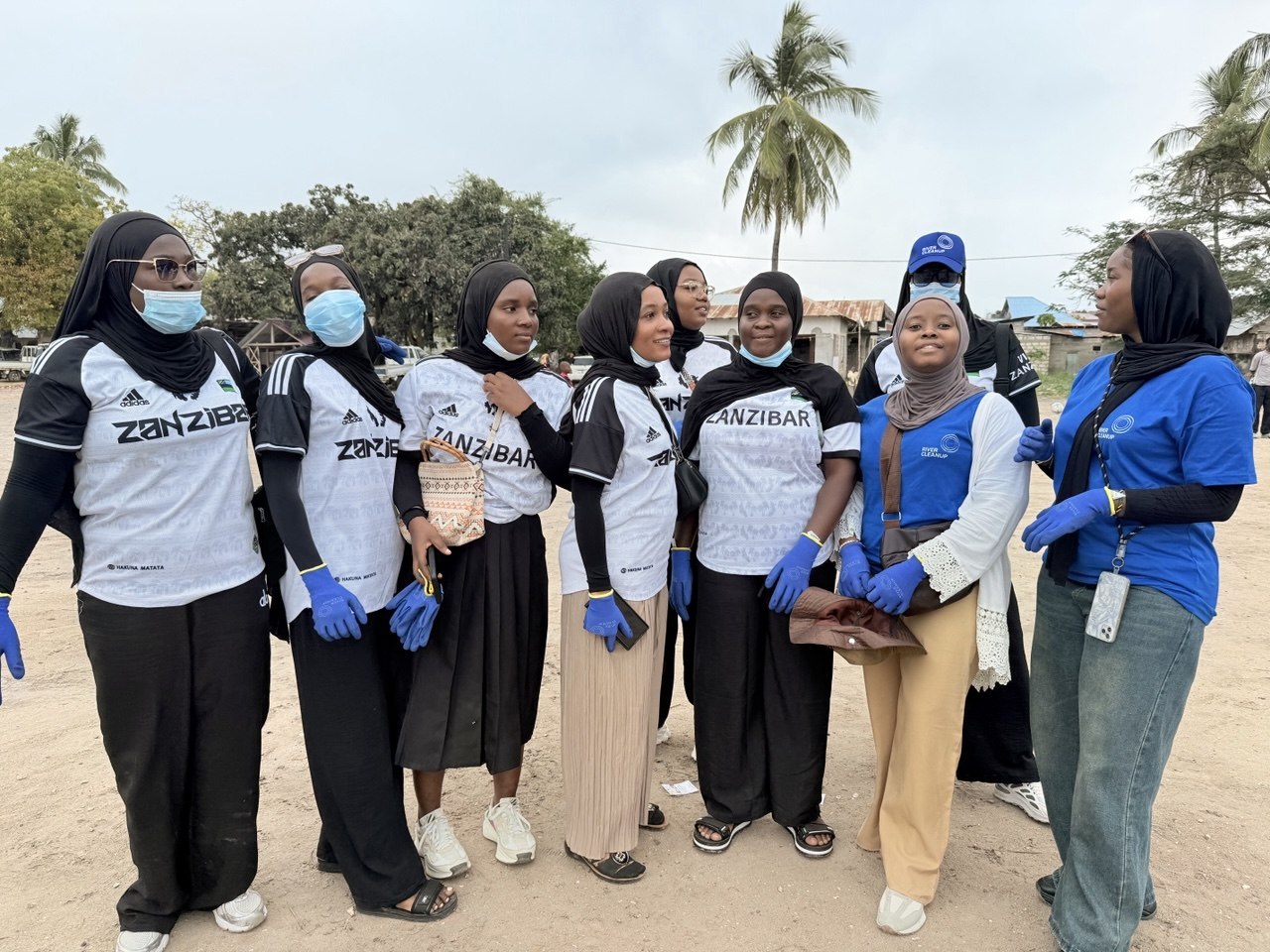
“This is a major opportunity for us because that trust can help women working at lower levels of the tourism sector access more opportunities, increase their incomes and benefit from tourism,” she adds.
For women seeking to move beyond low-paid employment into tour guiding, transport, marine excursions and business ownership, such changes could open new pathways to economic independence.
However, access to training, investment capital, professional networks and business ownership remains essential if women are to move into more profitable segments of the industry.
Economic growth does not automatically mean shared prosperity
Zanzibar’s economic performance provides a promising backdrop to these concerns. Official figures indicate that the economy grew by 7.4 per cent in 2023, reaching Sh3.76 trillion, before expanding by 7.1 per cent to Sh4.03 trillion in 2024.
In 2025, the economy reached Sh4.31 trillion, with growth of 6.8 per cent. The Revolutionary Government of Zanzibar has identified tourism, construction, agriculture and services among the major contributors to this expansion.
Yet, the experiences of seaweed farmers, fish traders and women working in tourism suggest that economic growth alone is insufficient to guarantee improved household incomes.
Dr Talib Salum Zahor, a lecturer in economics and tax management at the Institute of Finance Management, says the ability to increase capital is an important factor in determining whether businesses grow.
He explains that gender differences in economic outcomes can be influenced by access to resources, education, business knowledge and the capacity to invest.
“Empowerment is not just about providing capital and equipment. It also involves teaching people how to grow their capital, reach markets and improve their ideas and products so their value can meet the requirements of national markets,” he says.
Zahor argues that women need more opportunities to develop entrepreneurial skills and confidence, while communities and development partners should continue encouraging their participation in economic activities traditionally dominated by men.
Government pledges more support
The Ministry of Blue Economy and Fisheries, established in November 2020, has made women’s participation in marine-related economic activities part of its development agenda.
READ MORE: Sh422.9 Billion Loaned to More Than 80,000 Women Through Special Bank Windows in 10 Months
In its 2026/27 budget, the government allocated funds for fishing boats and vessels, fishing nets and equipment, training in fishing and processing, and empowerment programmes targeting women and youth.
The allocations include Sh5 billion for boats and fishing vessels, Sh2.3 billion for nets and fishing equipment, Sh1.5 billion for training in fishing and processing, and Sh4 billion through an empowerment fund for women’s and youth groups. A further Sh3 billion was allocated to marine tourism projects, including snorkelling, diving and the sale of marine products.
Speaking to The Chanzo in September, then-Deputy Minister for Blue Economy and Fisheries Mboja Ramadhan Mshenga said the government was continuing to support women through training, modern equipment and access to capital.
Between 2023 and 2025, he said, more than 170 groups, many of them led by women, received ropes, improved seaweed seedlings and motorised boats to strengthen production.
Mshenga also said the government has increased seaweed prices and is investing in processing facilities to enable farmers to capture more value from their produce.
According to him, the price of seaweed has risen from Sh350 per kilogramme to Sh650 and subsequently to between Sh850 and Sh1,000 per kilogramme.
“The government is continuing to build seaweed processing factories and increase the value of the crop so that, as its value increases, the incomes of women who cultivate it also increase,” he said.
Najjat Omar is The Chanzo’s correspondent and editor based in Zanzibar. She is available at najjatomar@gmail.com.