

Zanzibar – For 35-year-old Hassan Hamad, the scent of cloves, cinnamon and other spices growing on his family’s farm in Dole, Unguja, represents more than Zanzibar’s agricultural heritage. It also tells a story of economic opportunity, particularly for young people seeking employment in an economy where formal jobs remain limited.
Hassan is the owner of Zito Spice Tour, a spice farm covering more than five actres, which he inherited from his parents. What was once primarily an agricultural undertaking has increasingly become a destination for international visitors interested in discovering how the spices associated with Zanzibar are grown, harvested and used.
Beyond producing spices, the farm has created employment opportunities for dozens of young people who participate in different activities, ranging from agricultural production and guiding visitors to selling spice-related products.
“Through this farm, we have managed to involve more than 73 young people in various activities here. This has helped them secure employment and earn an income to sustain their livelihoods,” Hassan tells The Chanzo while seated at a section of his farm where spices are displayed and sold.
His experience illustrates how Zanzibar’s spice-growing tradition is increasingly becoming an economic resource beyond agriculture, with spice tourism opening opportunities for young people to earn a living while preserving and promoting the islands’ historical identity.
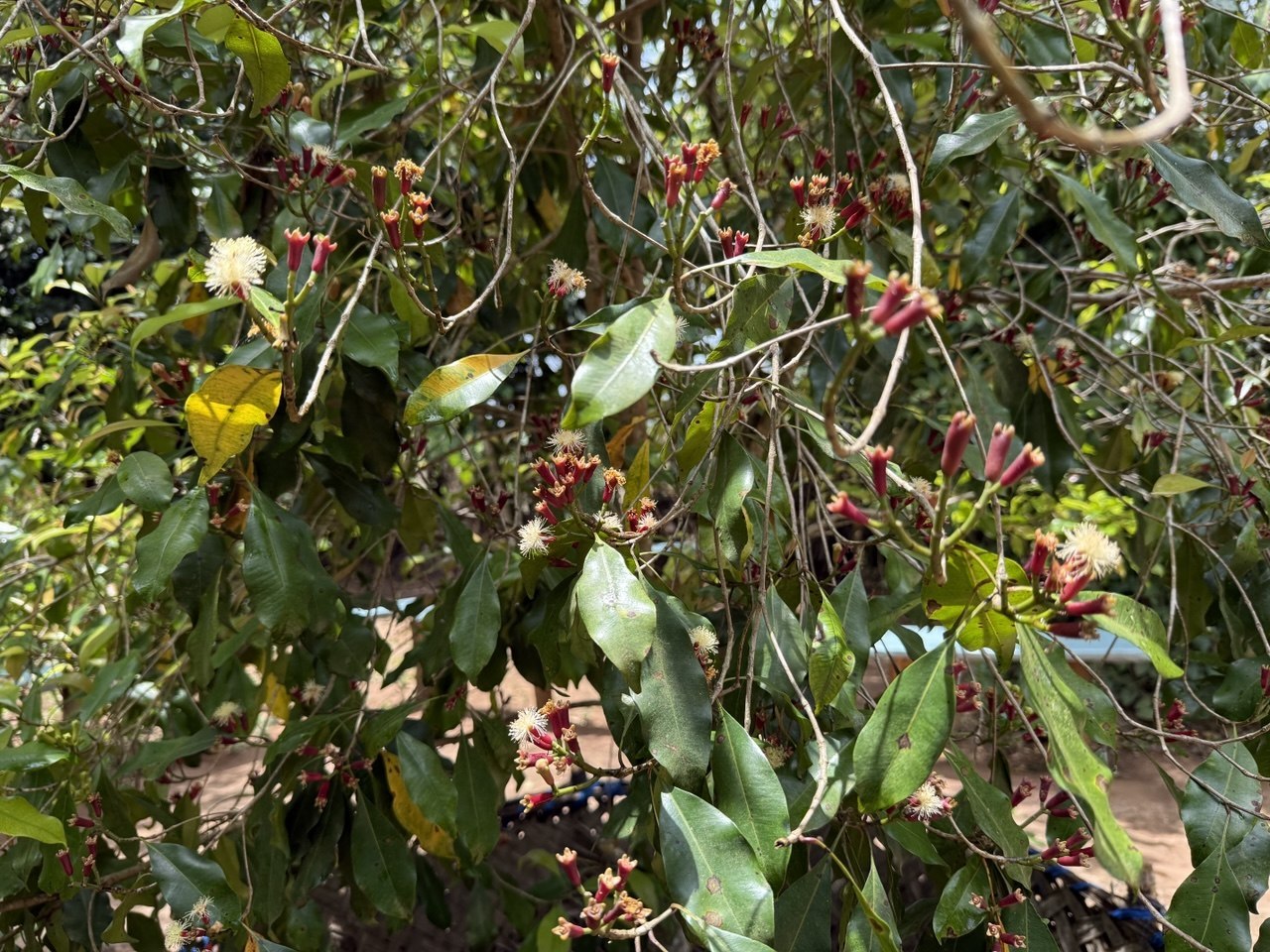
Spice tourism in Zanzibar began gaining more prominence around 1995, when the name Spice Island became increasingly associated with the islands’ rich production of aromatic crops. Among the spices grown in Zanzibar are cloves, cinnamon, black pepper, ginger, cardamom, turmeric, vanilla and lemongrass.
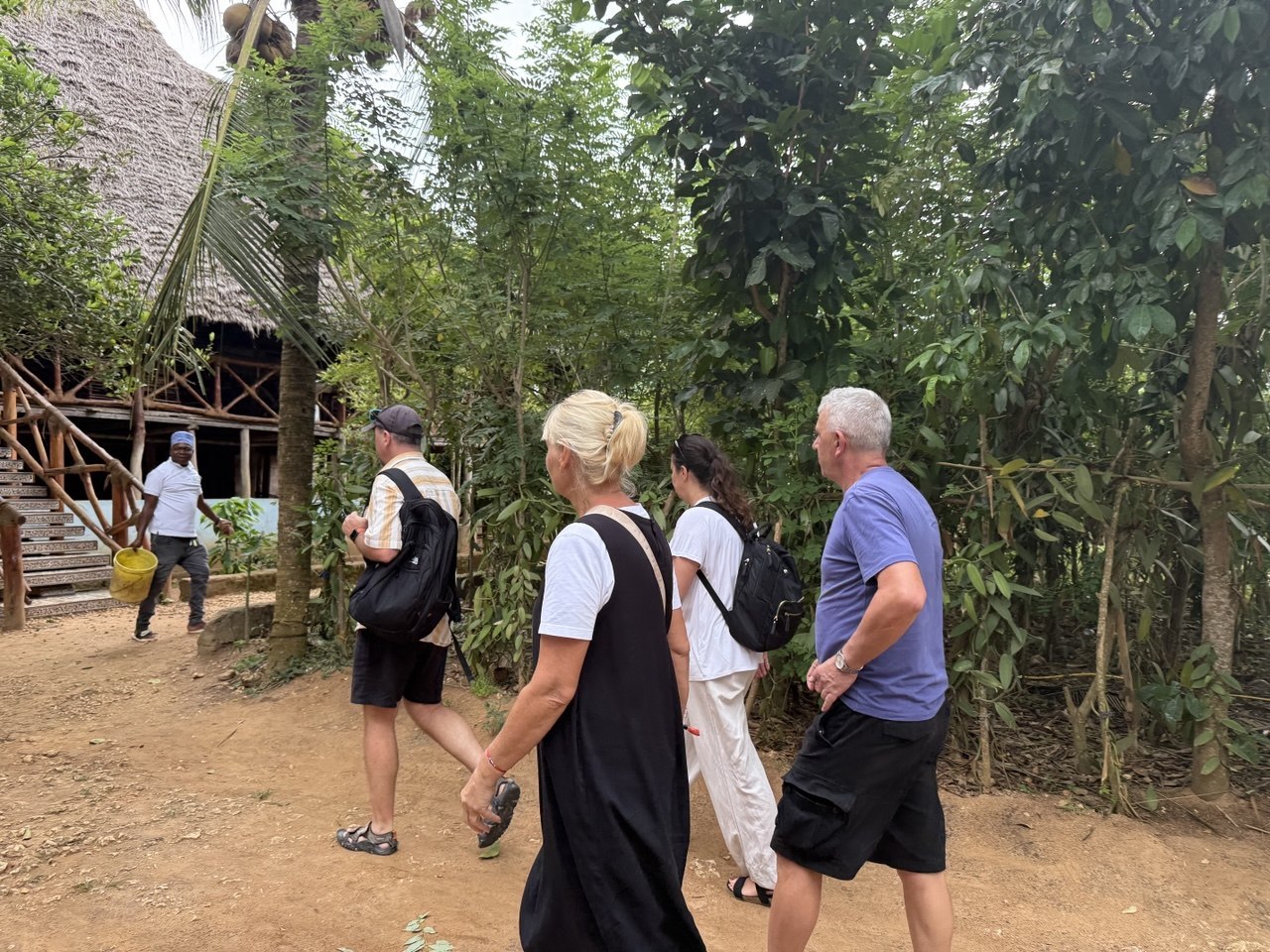
Although cloves remain among the crops most closely associated with Zanzibar, the diversity of spices has created opportunities for farmers to introduce visitors to different plants, their cultivation processes and their applications in everyday life.
For tourists, the attraction is not simply purchasing spices but experiencing their origins firsthand.
Kassim Malik Kassimu, a manager at Zito Spice Tour who has more than five years of experience overseeing cultivation, production, visitors and farm quality, says visitors are particularly fascinated by seeing the plants from which familiar spices originate.
READ MORE: Mamas of Zanzibar: How Women Are Turning Culture Into a Livelihood Through Tourism
“Tourists who visit here are particularly attracted to seeing the actual plants that produce different spices. Many enjoy learning how these spices are cultivated. Others enjoy smelling and touching the trees or plants,” Kassimu says while demonstrating how jackfruit grows.
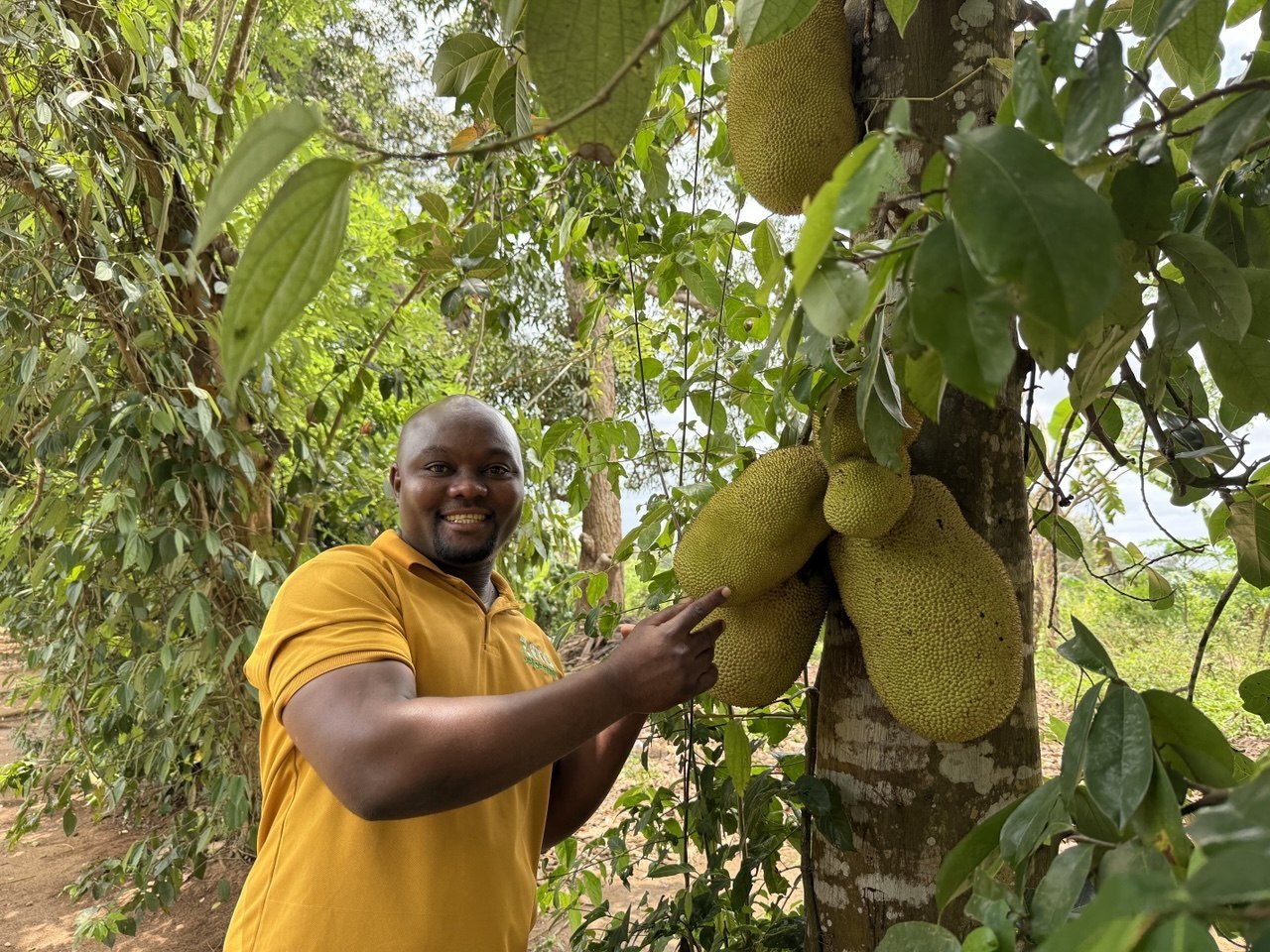
He argues that spice tourism offers considerable employment opportunities for local people because their familiarity with the plants, agricultural practices and traditional uses of spices gives them an advantage in serving visitors.
“In spice tourism, local people have a greater opportunity to secure employment because they understand the origins of these plants. They know how to plant them, care for them and explain the uses of each spice,” he says.
The growing economic importance of the sector is reflected in Zanzibar’s agricultural production figures.
Data from the Office of the Chief Government Statistician (OCGS), through its External Merchandise Trade Statistics and Agriculture Production reports, show that spice production increased from approximately 7,500 tonnes in 2023 to 7,900 tonnes in 2024 before reaching 8,200 tonnes in 2025.
Cloves accounted for a significant proportion of production, increasing from 5,200 tonnes in 2023 to 5,400 tonnes in 2024 and 5,600 tonnes in 2025.
Other spices also recorded growth. Cinnamon production increased from 1,000 tonnes to 1,200 tonnes, while black pepper production rose from 800 tonnes to 900 tonnes by 2025. Ginger production, meanwhile, remained at approximately 500 tonnes annually throughout the three-year period.
The growth has also been reflected in export earnings. Zanzibar’s spice exports were estimated at USD 52 million in 2023 to USD 56 million in 2024 and reach USD 60 million in 2025.
These figures underline the agricultural foundation upon which the growing spice tourism industry is developing.
Employment offering young people a different future
For some young people working in the sector, the benefits extend beyond earning an income. The industry has also provided opportunities to acquire new skills, interact with international visitors and develop confidence in communicating with people from different backgrounds.
At a ginger spice farm in Dole, Unguja, 22-year-old Abdallah Soud has spent the past four years working in spice tourism. His experience demonstrates how the industry can provide opportunities for young people who might otherwise struggle to access employment.
When Abdallah started working at the farm, he had limited knowledge of foreign languages. However, regular interaction with international visitors gradually enabled him to learn Italian and French, skills that have improved his ability to communicate with tourists.
“When I started working here, I did not have much knowledge of foreign languages. But as I continued meeting tourists, I learned. Honestly, this job has helped me earn an income that enables me to meet my daily needs,” he says while seated in a traditional thatched shelter.
Wearing a shirt bearing the name of the company he works for, Abdallah says the employment opportunity has also given him direction in life by keeping him occupied with productive activities and away from temptations that could lead him into vulnerable groups.
READ MORE: How Vwawa’s Youth Are Hustling Amidst Coffee Wealth and Tourism
The income has allowed him to contribute to improving his family’s living conditions and make personal investments.
“When you work, you get paid that very day. I have managed to renovate my mother’s house, and I have also bought a Honda motorcycle worth Sh6 million. If I succeed and things go well, next year I want to buy a plot of land,” he says.
His story reflects the wider contribution of spice tourism to youth livelihoods, particularly through activities that do not necessarily require formal academic qualifications but depend on practical knowledge, communication skills and familiarity with local culture.
Available estimates indicate that spice tourism directly employs approximately 3,500 to 4,000 people, including tour guides, farmers, spice sellers and organisers of spice farm excursions.
Young people aged between 18 and 35 account for approximately 65 per cent of these employment opportunities. Adults aged between 36 and 55 represent about 25 per cent, while people aged 55 and above account for approximately 10 per cent, mainly comprising owners and farmers involved in clove and cinnamon production.
Among those benefiting from these opportunities is 30-year-old Mrisho Hassan, a father of two who has spent the past three years working in spice tourism by climbing tall coconut trees to demonstrate how coconuts are harvested.
His performance, which includes traditional Swahili songs, has become part of the cultural experience offered to visitors, adding entertainment to the agricultural activities they come to observe.
Mrisho works on a rotational schedule, performing his duties one day and resting the following day. He says the arrangement has provided him with an opportunity to meet visitors from different parts of the world while earning an income to support his family.
“I have been doing this work for three years now, and whenever I finish working, I get paid that very day. This helps me earn an income to sustain my life and fulfil my responsibilities as a father at home,” he says.
Beyond climbing coconut trees, the farm has also created another income-generating opportunity for him through selling fresh coconuts to tourists.
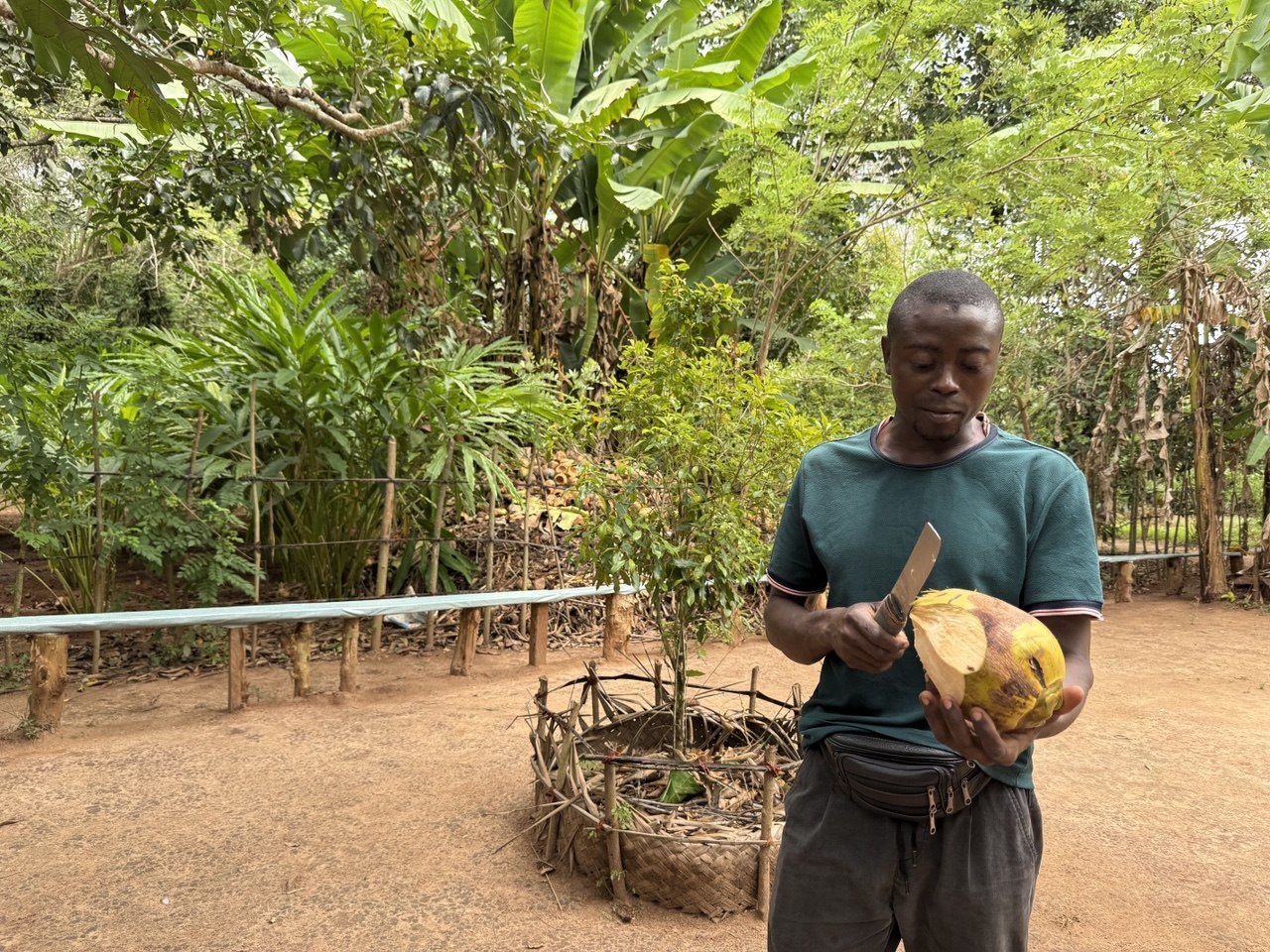
He sells each coconut, locally known as dafu, for Sh800, with the money going directly to him. Depending on the number of visitors and his ability to persuade them to purchase, he sells between 15 and 30 coconuts daily, earning between Sh12,000 and Sh24,000.
“I have realised that I do not have to depend on climbing coconut trees alone. When visitors come, I also get an opportunity to sell coconuts, and that money helps me increase my income,” he says while preparing a coconut for a customer.
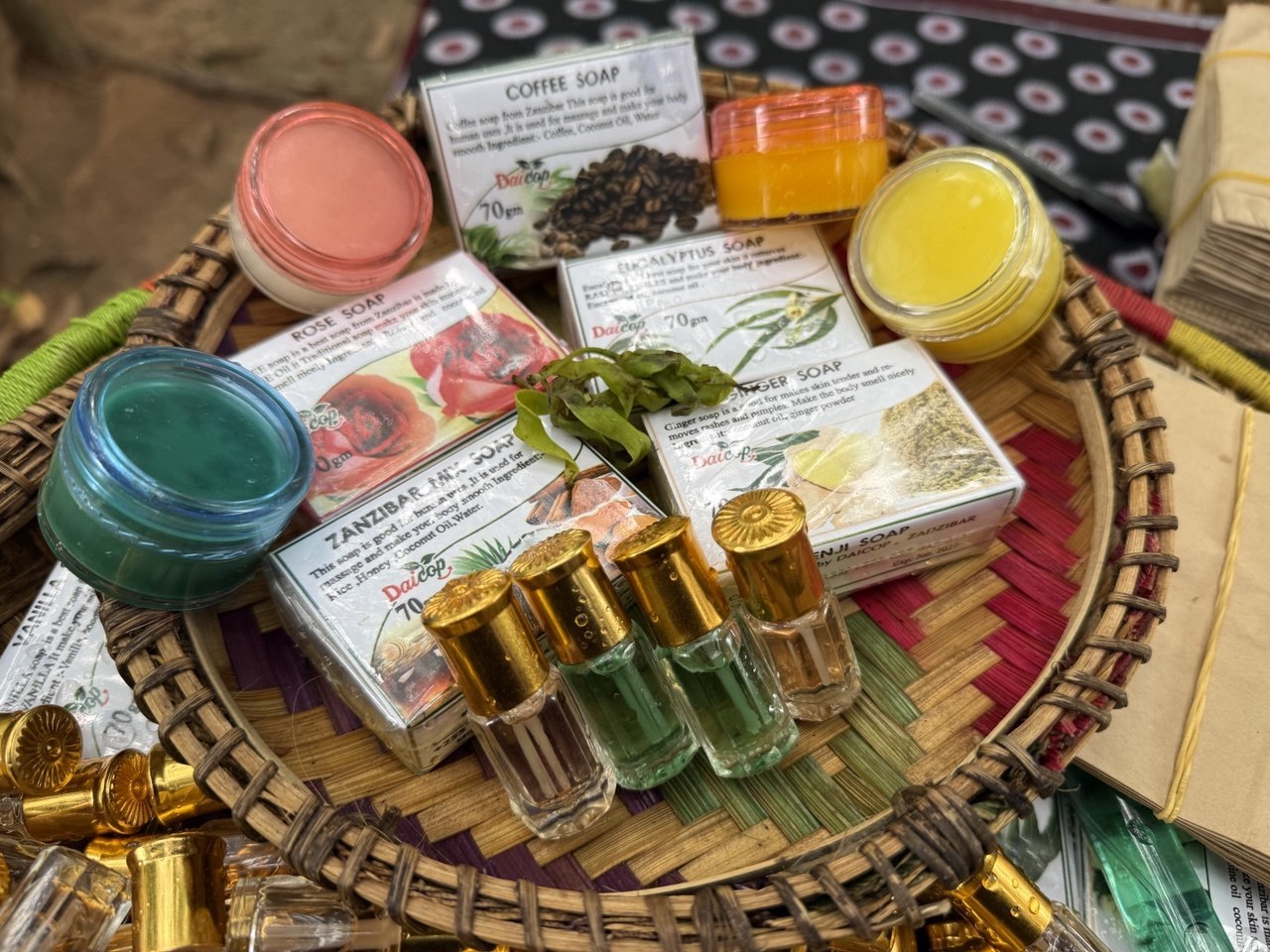
The economic opportunities extend beyond agricultural demonstrations and guiding visitors. Spice tourism has also created a market for locally processed products, allowing traders to add value to agricultural produce and reach international customers.
Mustafa Abdallah, who has spent seven years selling products derived from spices at spice farms, says the business has significantly transformed his family’s economic circumstances.
Through the income he generates, he has managed to build a house and finance his children’s education.
“This business has helped me greatly in life. I have managed to build a house and educate my children through the income I earn. I believe spice tourism has great potential to help young people lift themselves out of poverty because there are no jobs in government,” he says.
Mustafa adds that tourists are particularly interested in purchasing products made from spices they encounter during their farm visits.
“Tourists enjoy seeing and buying products made from the spices they see on the farms. On some days, they can purchase more than 20 products,” he explains.
International visitors drawn by the origins of spices
The growing popularity of spice farms is also supported by the increase in international tourist arrivals to Zanzibar.
READ MORE: The High Cost of Tourism: Zanzibar’s Race to Build Jeopardises Its Heritage
Figures from the Office of the Government Statistician of Zanzibar indicate that tourist arrivals increased from an estimated 638,000 in 2023 to 780,000 in 2025. Of these visitors, approximately 110,000 are estimated to have visited spice farms in 2025.
For many international visitors, the experience provides an opportunity to connect familiar ingredients with the places where they originate.
Petra Puchta, 42, a tourist from Germany visiting Zanzibar with her husband and 21-year-old daughter, says her interest in spice farms was inspired by the desire to see the plants that produce ingredients she regularly uses in her kitchen.
She explains that spices such as vanilla, cinnamon, turmeric, pepper and lemongrass are common ingredients in German cooking and baking, but she had never seen the plants from which they are obtained.
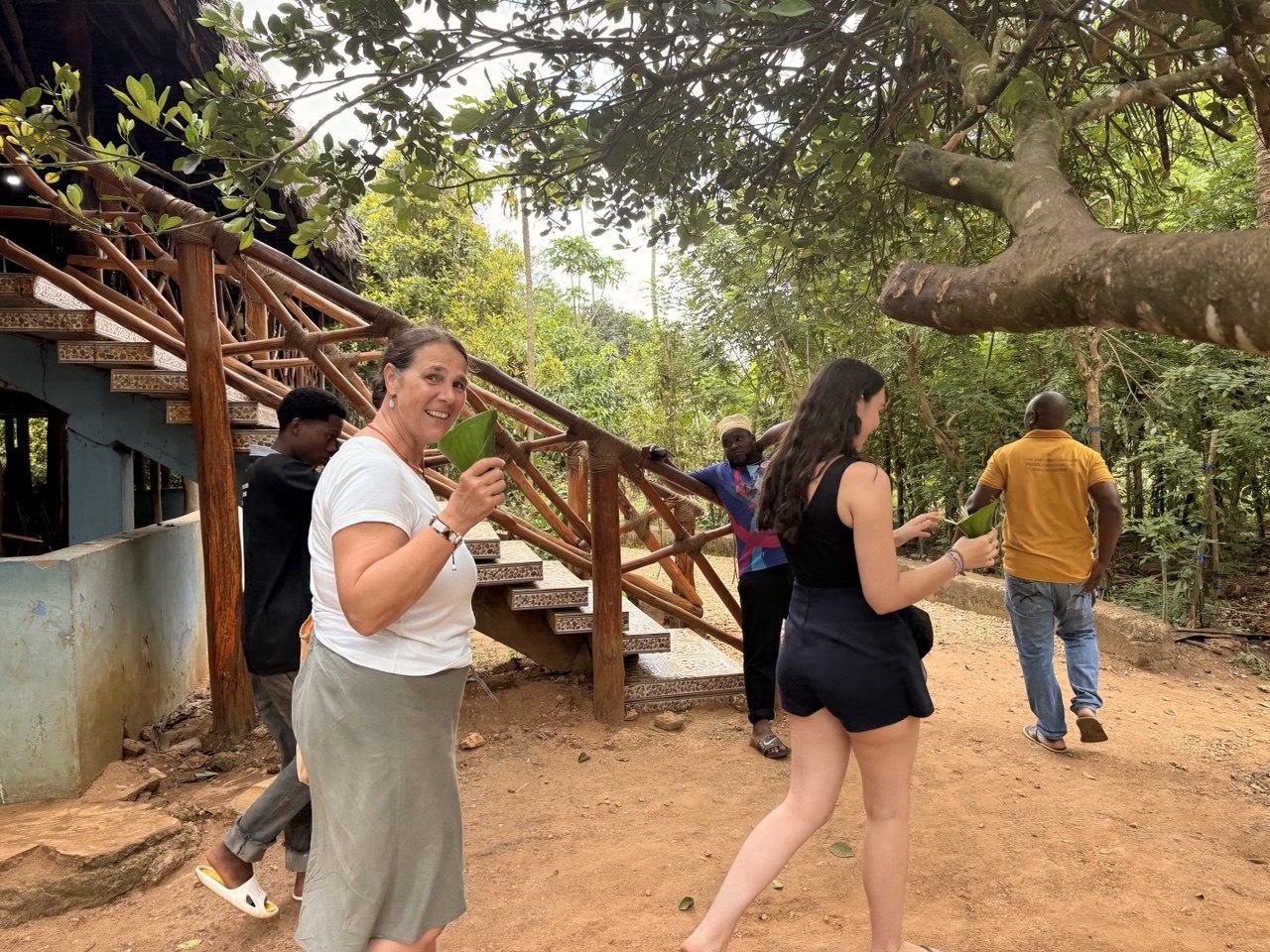
“In Germany, we really enjoy cooking and baking bread, and we use spices such as vanilla, cinnamon, turmeric, pepper and lemongrass, but we have never seen their trees,” she says.
She adds that the opportunity to understand how the spices grow and are harvested made the visit particularly interesting.
“We are therefore happy to have the opportunity to learn how these spices grow and are harvested, as well as to see what their plants look like. That is what attracted me the most,” Petra says while holding a bunch of leaves containing some of the spices.
Another visitor, Alexandre Jean-Pierre from France, visited the Hakuna Matata spice farm in Dole with his wife, young daughter and parents.
He says their tour company had informed them before travelling that the spice farm visit was included in their tourism package.
“I have enjoyed visiting this farm because I have had the opportunity to see spices in an environment I have never experienced before,” he says.
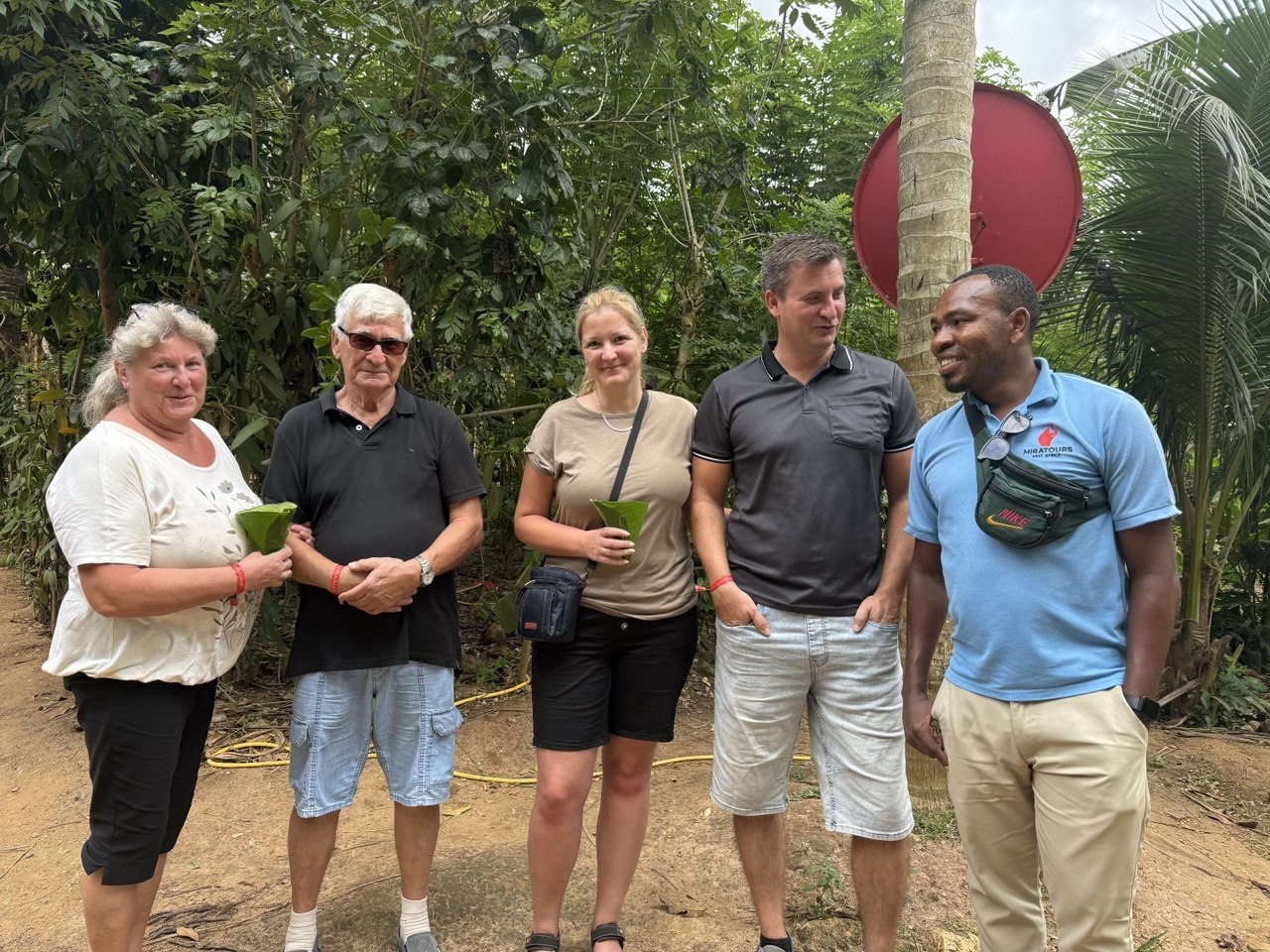
Such experiences demonstrate how spice farms can serve as educational and cultural tourism destinations while creating opportunities for local communities to benefit from the growing number of international visitors.
However, despite the industry’s contribution to employment and tourism, farm owners say some structural challenges continue to limit the economic benefits reaching local businesses.
The challenge of sharing tourism revenue
One of the major concerns raised by spice farm owners is the absence of a formal arrangement allowing tourists to pay entrance fees directly to the farms they visit.
Hassan says most visitors arrive through tour companies whose packages already include visits to spice farms. Consequently, payments are generally processed through the tourism companies rather than directly by the farm owners.
“The government has not yet established a system or arrangement that allows visitors to pay directly at the farms. In most cases, payments go through tourism companies that have already included the visits in their packages. This situation reduces the revenue generated from tourists visiting our farms,” he says.
The arrangement means that although farm owners provide the land, plants, demonstrations and other facilities that make the visits possible, they do not necessarily receive direct payments for admitting visitors.
Their earnings therefore depend significantly on other activities, particularly selling spices and related products to tourists.
Another concern is the relatively low participation of women in spice tourism, despite the sector offering employment opportunities that could benefit different members of the community.
The Chanzo contacted Masoud Kassim, a member of the Sheha leadership in Dole, an area with more than 15 spice farms, to understand some of the social factors influencing participation.
Masoud says negative community perceptions about tourism-related work continue to discourage some women from participating in the industry.
“Opportunities in spice tourism are available to everyone, including women. However, the challenge is that some people in society still perceive this work as inappropriate. This makes some women unwilling to participate,” he says, expressing concern about the situation.
READ MORE: Zanzibar’s Blue Economy Grows, but Women Still Struggle to Reap the Benefits
His remarks highlight the need for greater community awareness to ensure that women can also benefit from the employment and business opportunities emerging from spice tourism.
Government plans to strengthen the sector
The government says it has continued implementing interventions aimed at strengthening spice production and improving the sustainability of the industry.
Through the Ministry of Agriculture and Irrigation, in collaboration with the European Union-funded AGRI-CONNECT project, the Revolutionary Government of Zanzibar implemented a programme to distribute spice seedlings to farmers between 2020 and 2024.
Salum Rehani, Head of Spice Expertise at the Ministry of Agriculture and Irrigation, says government efforts to develop spice farms date back to 1995, with more than 250,000 seedlings distributed to farmers since then to increase production.
“The government began efforts to develop spice farms in 1995, and since then, it has distributed more than 250,000 seedlings to farmers to increase production,” he says.
However, he emphasises that increasing the number of seedlings alone is insufficient to guarantee sustainable production. Farmers must also adopt appropriate agricultural inputs and proper farm management practices to protect the environment and maintain soil fertility.
“We encourage farmers to use organic fertilisers to protect soil fertility and the environment,” Salum says.
Meanwhile, the Ministry of Tourism and Antiquities, through the Zanzibar Tourism Commission, says it is working on an arrangement that could address concerns over how revenue generated from spice farm visits is distributed.
According to Hakim Ali Kimara, Head of the Commission’s Public Relations Unit, the ministry has held more than four meetings with stakeholders and spice farm owners to discuss a revenue-sharing arrangement that would allow businesses involved in the sector to benefit more directly.
Kimara acknowledges that farm owners currently do not directly benefit from entrance fees, except when visitors purchase products from their businesses.
“It is true that the owners of these farms do not directly benefit from entrance fees. However, the Ministry of Tourism and Antiquities, through the Commission, is currently working on a new arrangement. This arrangement involves introducing an entrance fee system across all spice farms,” he says.
READ MORE: Siti Amina of Siti & The Band: The Making of An Icon
He adds that the discussions have involved farm owners and other stakeholders, with the objective of ensuring that the tourism industry benefits everyone involved while remaining sustainable.
“We have discussed this with the people concerned, including farm owners and those managing the sector. Our objective is to promote tourism for everyone, where every person benefits, but also ensure that it is sustainable,” Kimara says.
The Permanent Secretary in the Ministry of Tourism and Antiquities, Dr Aboud Suleiman Jumbe, describes spice tourism as an important resource through which Zanzibar can transform its rich history of spice trading into economic and social opportunities.
He says the Eighth Phase of the Revolutionary Government of Zanzibar is committed to strengthening spice tourism as part of the islands’ historical heritage and economic development strategy.
“During the Eighth Phase of the Revolutionary Government of Zanzibar, we continue to strengthen spice tourism as part of our historical heritage and an economic opportunity. The objective is to ensure that we promote Zanzibar internationally, attract more tourists and enable citizens, particularly farmers, to benefit from the opportunities generated by this tourism,” Dr Jumbe says.
He further emphasises the importance of cooperation between the Ministry of Tourism and Antiquities and the Ministry of Agriculture and Irrigation to maximise the industry’s potential.
“For greater benefits to be realised, cooperation should continue between the Ministry of Tourism and Antiquities and the Ministry of Agriculture and Irrigation to increase spice production and create various opportunities arising from these farms,” he says.
Najjat Omar is The Chanzo’s correspondent and editor based in Zanzibar. She is available at najjatomar@gmail.com.