
At around 4 p.m., Raheem Kondo, a Form Five student at Lindi Boys’ Secondary School, is enjoying the calm surroundings of his school, where rows of classrooms, science laboratories, dining halls, sanitation blocks, ICT facilities and a library stand amid a landscape dotted with cashew trees.
For Raheem, who studies Physics, Chemistry and Mathematics (PCM), the school represents more than just a place to pursue his education. It offers an environment where he can concentrate on his studies, develop confidence and work towards his ambitions without some of the distractions associated with life outside school.
He is among the students benefiting from the government’s efforts to expand access to secondary education through the construction of regional boys’ boarding schools under the Secondary Education Quality Improvement Project (SEQUIP).
“Boarding schools give students a greater opportunity to study. They keep students away from distractions in the streets, allowing them to spend more time learning while at school,” Raheem says.
He believes that having teachers available within the school environment also improves students’ safety and creates opportunities for closer supervision, ultimately strengthening their confidence and ability to express themselves.
“This helps students develop their thinking and analytical skills. They also become more confident in presenting their arguments. This will contribute to producing more educated people and improving the standard of education in the country,” he adds.
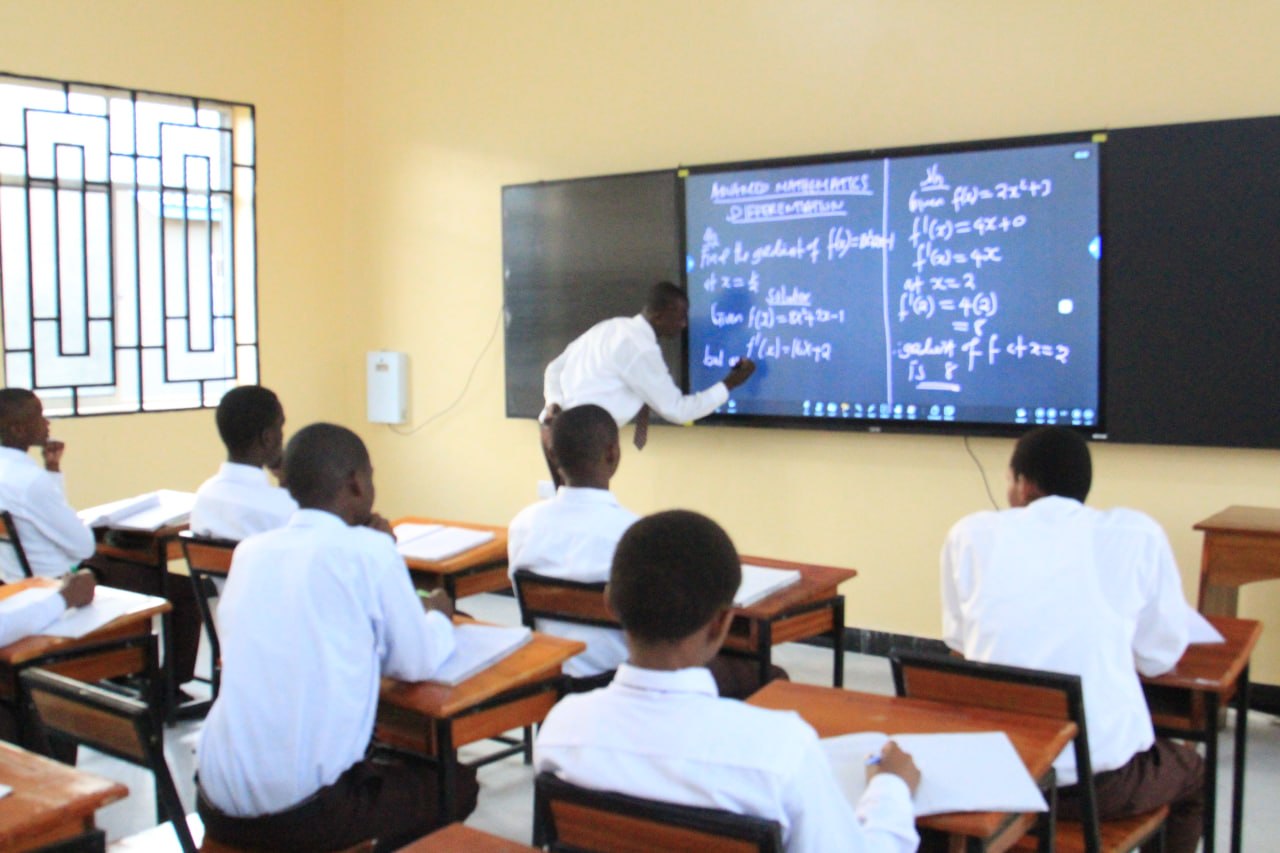
Lindi Boys’ Secondary School is among seven regional boys’ secondary schools established under the SEQUIP programme. It currently admits Form Five students pursuing science combinations, with its first cohort of 23 students beginning classes in July 2026.
Of these, four study Physics, Chemistry and Biology (PCB), eight take Chemistry, Biology and Geography (CBG), while 11 pursue Physics, Chemistry and Mathematics (PCM).
For school authorities, however, the significance of the new school extends beyond the facilities it provides. It addresses a longstanding challenge facing boys in the southern regions of Lindi and Mtwara, where access to dedicated boarding schools was limited.
Fransico Zebedayo, the school’s headmaster, says the absence of such institutions previously forced some families to send their children to distant regions in search of suitable secondary education opportunities.
“The availability of this school has relieved parents of the costs of sending their children to other regions. Previously, these schools were constructed exclusively for girls,” he says.
“The presence of boys’ schools will further expand access to education for male students, particularly those pursuing science subjects.”
Mwinjuma Rajab, Secondary Education Division Head in Mtama District, Lindi Region, says the distance to schools offering advanced-level education had prevented some academically qualified boys from continuing their studies.
He says education officials frequently encountered cases of parents who could not afford to send their children to distant regions, even when the students had performed well enough to qualify for Form Five.
“The presence of this school will largely address the challenge of boys failing to access secondary education because of the difficulties involved in sending them to schools far away,” Rajab says.
Addressing the gap in educational opportunities
The establishment of regional boys’ boarding schools reflects a broader government effort to address disparities in access to specialised secondary education.
For years, Tanzania invested in expanding access to dedicated science schools for girls, creating opportunities for female students to pursue science subjects in supportive learning environments. However, the limited availability of comparable institutions for boys increasingly highlighted the need to expand opportunities for male students as well.
Through SEQUIP, the government has allocated Sh4.1 billion for the construction of each of the seven regional boys’ secondary schools across the country.
The initiative is intended to ensure that boys benefit from improved access to boarding facilities, particularly for science education, while reducing geographical and financial barriers to secondary education. The schools also provide inclusive learning opportunities for students with special needs.
The benefits are already becoming visible in other parts of the country.
In Songwe Region, Songwe Boys’ Secondary School is providing another opportunity for boys to access boarding education closer to their communities.
Michael Victor, a student at the school, says he appreciates the opportunity to study in an environment where his basic needs are provided for and where he can concentrate on his education.
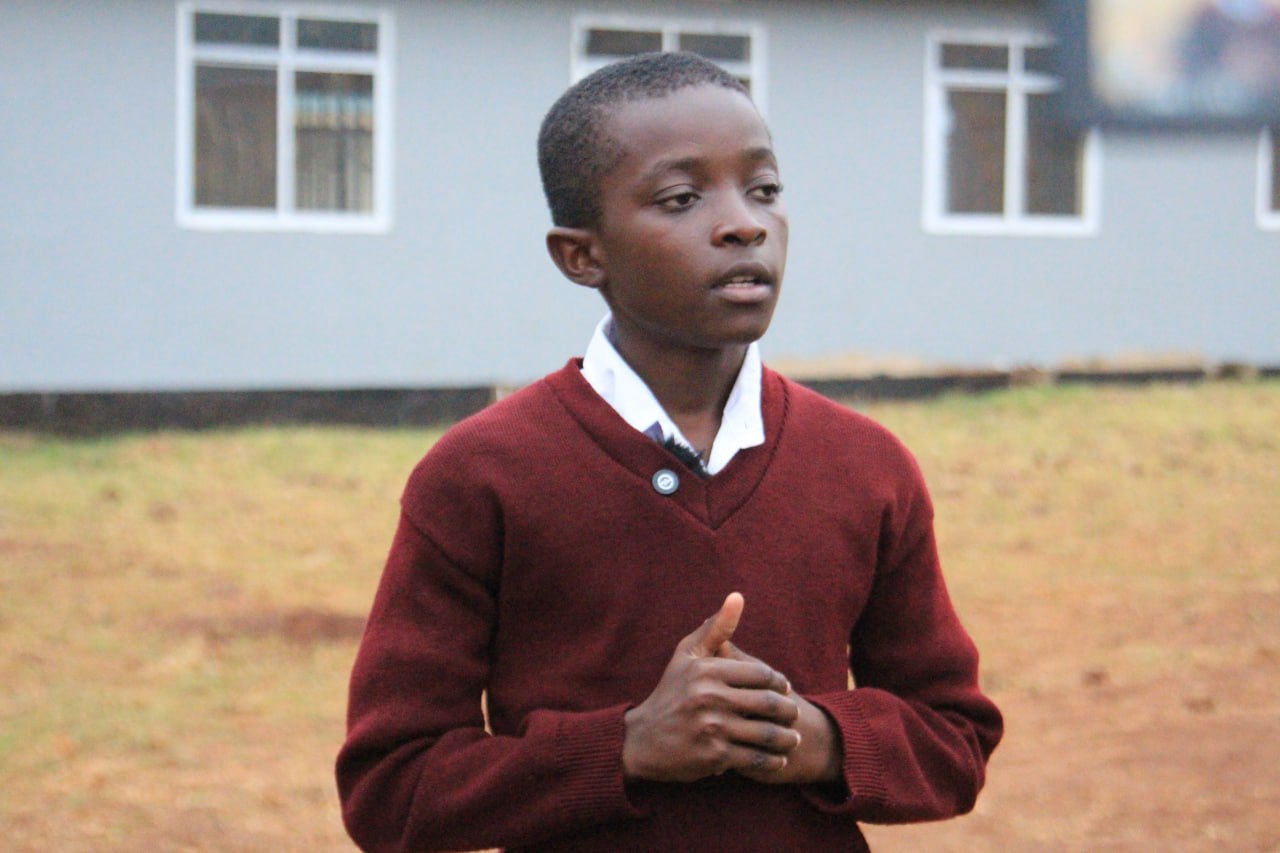
“Establishing schools exclusively for boys will help keep us away from bad groups, including those involved in gambling. We thank the government for building this school, which provides us with quality education,” he says.
Unlike some conventional schools, Songwe Boys’ is an inclusive institution, admitting both students with disabilities and those without disabilities.
The school began receiving students in January 2026 and had approximately 80 learners at the time of the visit, with expectations of expanding its enrolment to more than 1,000 students across different forms.
For teachers, the boarding arrangement offers an additional advantage: the opportunity to remain close to students and provide support whenever necessary.
Agape Simchimba, a teacher at the school, says teachers live within the school premises, making it easier to supervise students and respond to their needs, including outside normal classroom hours.
“Sometimes a student may encounter difficulties at night, and we have the opportunity to help. Academic performance will improve because we are close to them,” she says.
She adds that the project is also helping protect young people from potentially harmful social influences by providing them with a structured learning environment.
The school’s headmaster, Okelewa Mbigiri, says the establishment of Songwe Boys’ has addressed a significant shortage of boarding opportunities for male students in the region.
“Having this school means that boys are now beginning to access boarding education. This helps them avoid the challenges of travelling to and from school every day, including exposure to gambling and other distractions along the way,” he says.
Mbigiri believes the new facilities have also stimulated students’ interest in learning and created opportunities for them to acquire a wider range of knowledge.
READ MORE: Inclusive Education in Tanzania: A Right Reserved for the Few?
“We appreciate the introduction of this project, which has been a great support. It has encouraged students to pursue different areas of knowledge,” he adds.
Technology transforming science education
Beyond expanding access to boarding education, the project is also contributing to improvements in the quality of teaching and learning, particularly through better-equipped science facilities and the use of information and communication technology.
In Katavi Region, Katavi Boys’ Secondary School illustrates how investment in educational infrastructure and technology can transform the classroom experience.
Surrounded by trees and modern buildings, the school has science laboratories and digital learning equipment designed to support students studying science subjects.
One of the technologies making a difference is the smartboard, which allows teachers to present lessons digitally and helps students follow complex concepts more easily.
For Japhet Josephat, a Form Five student pursuing Physics, Chemistry and Mathematics (PCM), the technology has made learning more efficient and helped teachers cover lessons within shorter periods.
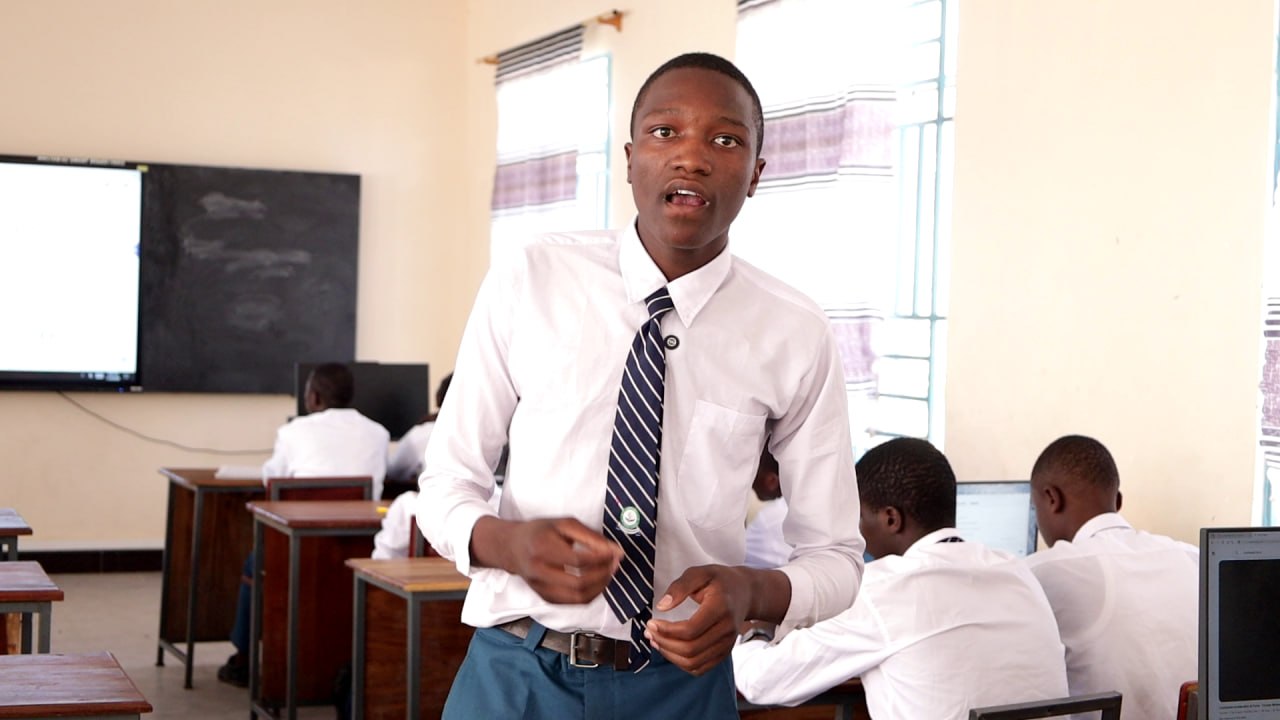
He says the smartboards have particularly improved the teaching of Chemistry, where visual presentations make it easier to understand different topics.
“This technology helps us complete topics more quickly. When you compare it with the previous teaching methods, which did not offer the same technological support, those methods sometimes slowed down the completion of the syllabus. For example, in Chemistry, we have already completed the syllabus,” he says.
The school has a total enrolment of 351 students from Form One to Form Six, including 237 students in advanced-level science combinations.
Its headmaster, Patrick Chalamila, says the institution was established specifically to strengthen opportunities for boys pursuing science education.
READ MORE: Govt Should Stop Perpetuating Class Differentiation in Our Education System
Students are enrolled in combinations including Physics, Chemistry and Biology (PCB), Physics, Chemistry and Mathematics (PCM), and Physics, Mathematics and Chemistry (PMC).
“We thank the government for providing us with sufficient ICT equipment, which supports teaching and learning. It has also created a favourable working environment for teachers. We appreciate that the government is considering all aspects necessary to improve educational infrastructure,” Chalamila says.
Charles Frednand, Secondary Schools Education Officer in Mpanda District, describes the establishment of boys’ boarding schools as an important government intervention in addressing an emerging imbalance in access to specialised education.
He says the expansion of science schools for girls had created considerable opportunities for female students, while comparable opportunities for boys remained limited.
“We have 26 regional girls’ science schools of this scale. In many areas, girls had already gained access to these opportunities, while a major challenge was emerging for boys, who did not have comparable schools,” Frednand says.
Inclusive education brings opportunities to students with disabilities
While expanding access to science education and boarding facilities, SEQUIP is also creating opportunities for students who have historically faced additional barriers to accessing education.
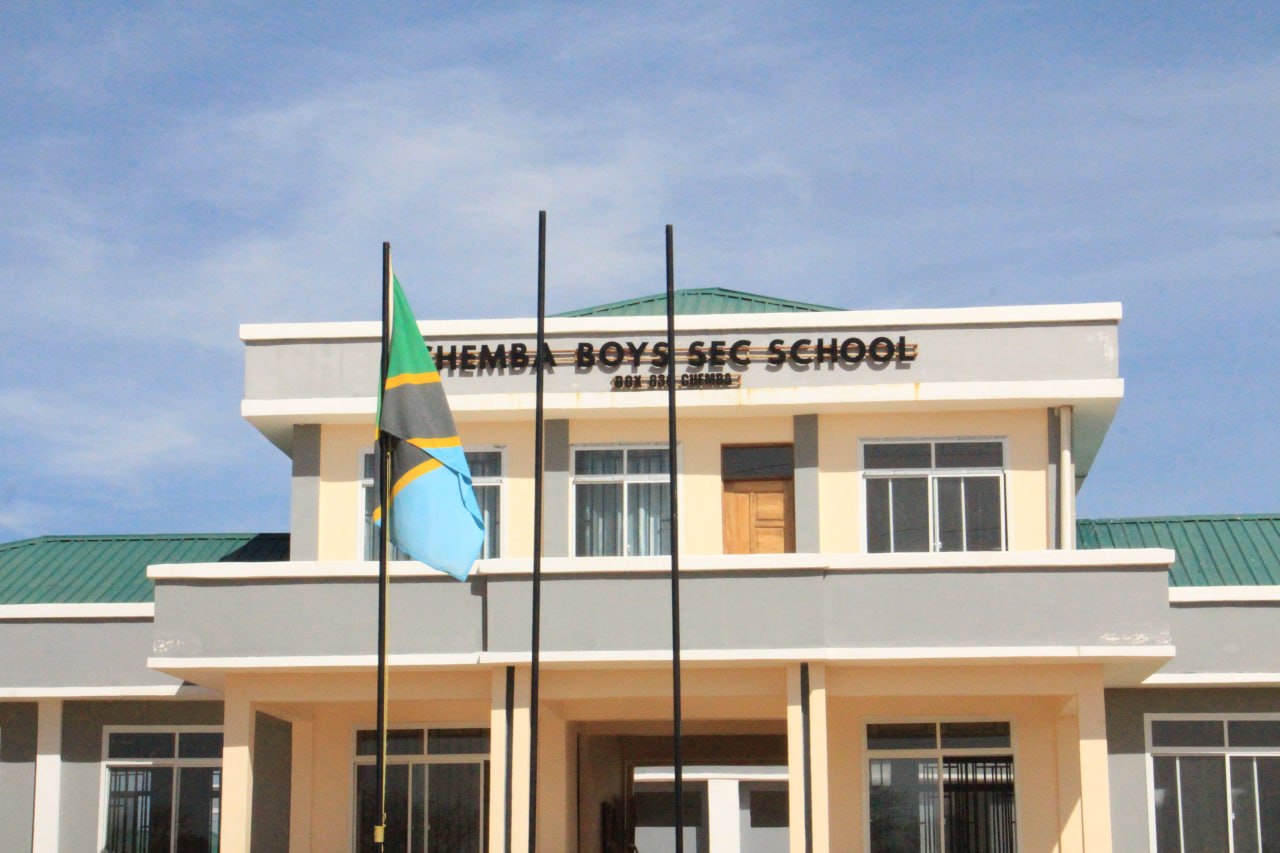
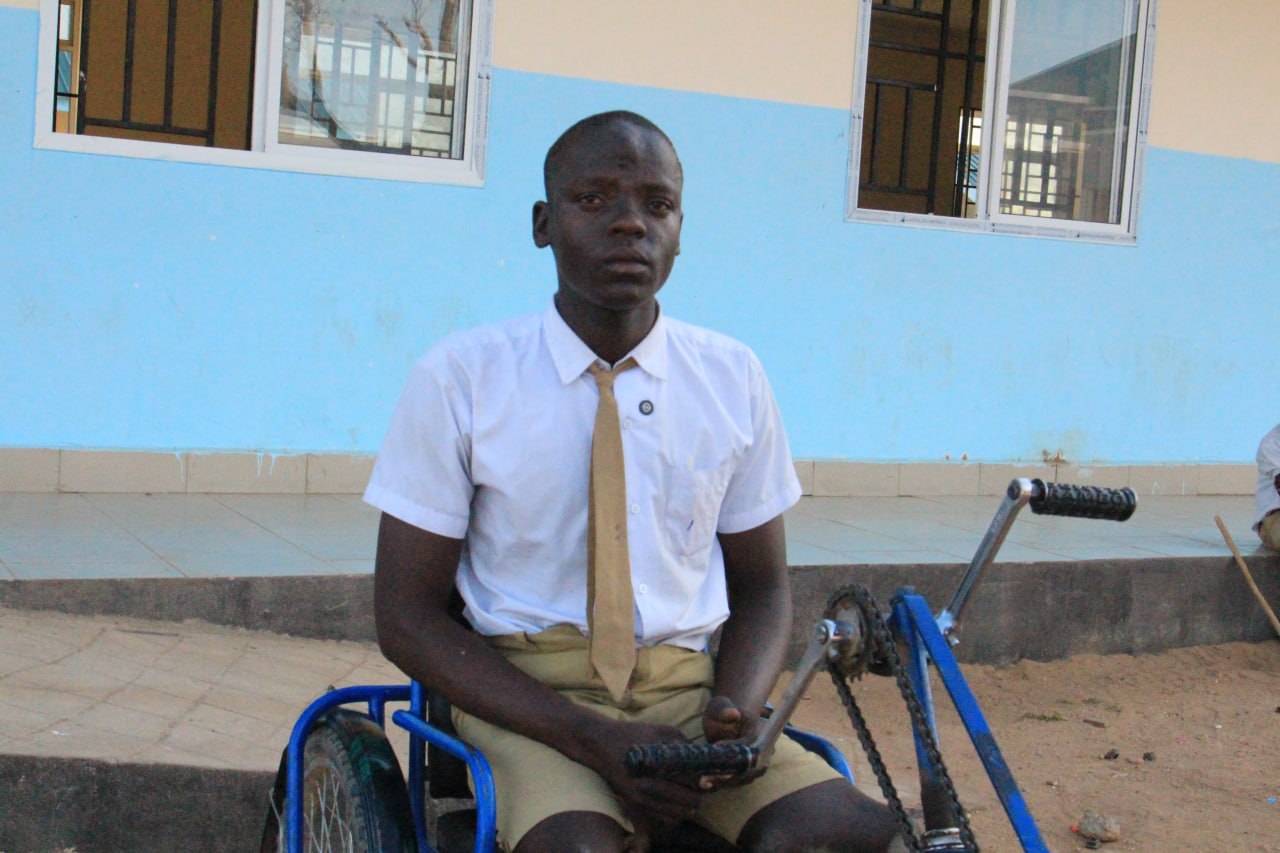
At Chemba Boys’ Secondary School in Dodoma Region, the benefits of inclusive education are reflected in the experience of 16-year-old Majuto Chinolo, a Form One student with a physical disability.
For Majuto, reaching secondary school was not an easy journey.
He recalls watching other children leave for school and wishing he could join them, but the distance and his physical condition made the journey difficult.
“When I saw other children going to school, I also wanted to go. My parents would tell me to wait as they looked for a bicycle so that I could attend school. I would cry because I wanted to go to school, but it was far away,” he says.
He eventually began making the journey using his hands, moving himself along the ground to reach school.
“I used to wake up in the morning, wash myself and start moving my hands all the way to school. I continued studying until Standard Seven, completed my examinations and passed. I was then selected to join Chemba Boys’ Secondary School,” he says.
Today, the school provides an environment in which he can pursue his education with greater support and dignity.
Majuto says he is particularly happy with the support he receives from fellow students, who help him navigate the school environment using his bicycle.
“I enjoy the environment here at school. For example, when I go to the dormitory, my fellow students help me by opening the door so I can pass with my bicycle and get inside,” he says.
He encourages parents with children with disabilities to give them the opportunity to pursue education rather than allowing their conditions to become a barrier.
“I advise parents who have children like me to bring them to school so that they can receive a good education,” he adds.
Chemba Boys’ Secondary School has 381 students, including 220 Form Five students and 161 Form One students. Of the total enrolment, 16 students have disabilities.
The school’s headmaster, Mokiwa Petro, says the institution accommodates students with and without disabilities, providing them with equal opportunities to participate in school life and access educational services.
He says the inclusive approach is particularly important for children who might previously have been excluded from opportunities to pursue secondary education because of their disabilities.
“All these students are served by the school under the same system. Those who previously might not have had the opportunity, or might have been excluded, are now here together with other students,” Petro says.
“At Chemba Boys’, we are very grateful to SEQUIP and the government for providing an enabling environment and substantial support.”
A nationwide investment in secondary education
The seven regional boys’ secondary schools are part of the wider Secondary Education Quality Improvement Project, commonly known as SEQUIP, which was implemented over five years, from the 2020/21 to 2025/26 financial years.
READ MORE: Pitting Public Schools Against Private Ones Doesn’t Improve Our Education System
The project seeks to improve access to quality secondary education in Tanzania through investments in school infrastructure, learning environments and the expansion of educational opportunities.
SEQUIP is financed by the World Bank through the International Development Association (IDA), which provided a concessional financing package of US$535 with the aim of transforming teaching and learning environment in Tanzanian secondary schools.
The boys’ schools have been distributed across seven geographical zones to improve access to education in different parts of the country.
As Tanzania continues to invest in secondary education, the experience of these schools demonstrates how targeted infrastructure development, inclusive learning environments and improved teaching resources can help address longstanding barriers to educational access while creating better opportunities for the next generation.
Jackline Kuwanda is a journalist for The Chanzo based in Dodoma. You can reach her at: jaquelinevictor88@gmail.com.