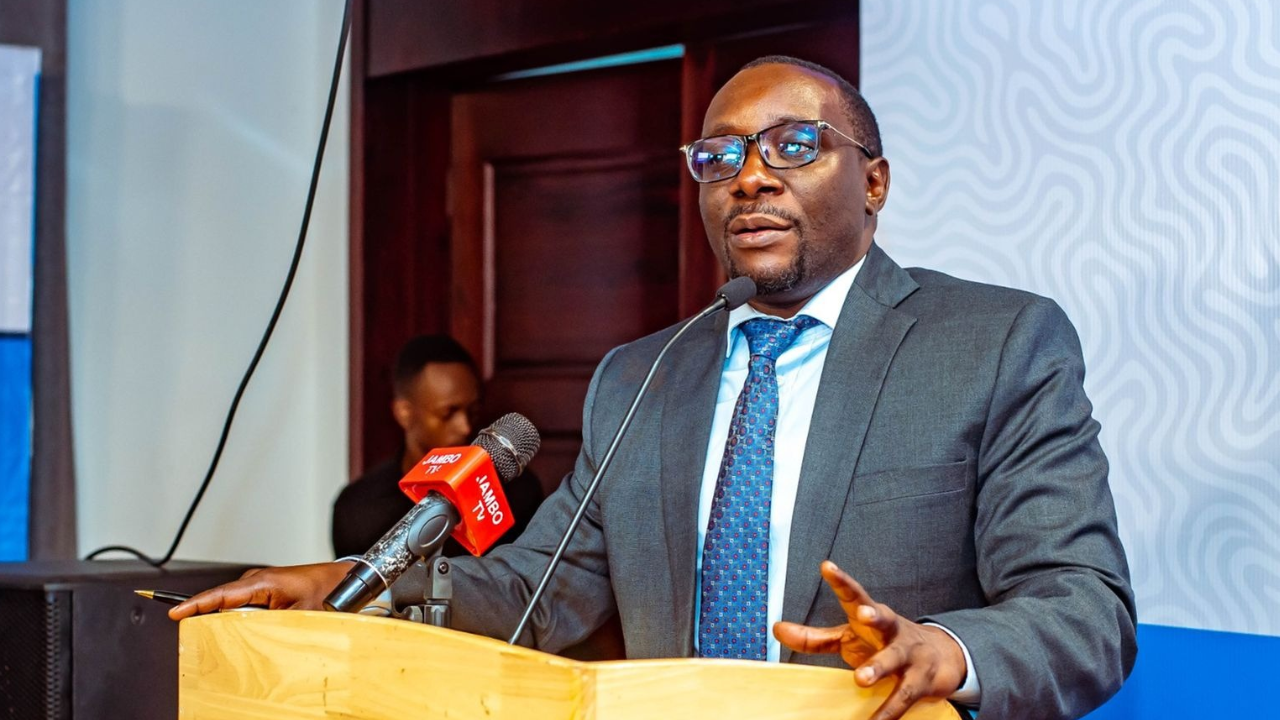

Dar es Salaam – Prime Minister Mwigulu Nchemba has urged Southern Africa’s electoral commissions to make accurate information readily available to the public, warning that information gaps allow rumours to spread and risk dividing communities during elections.
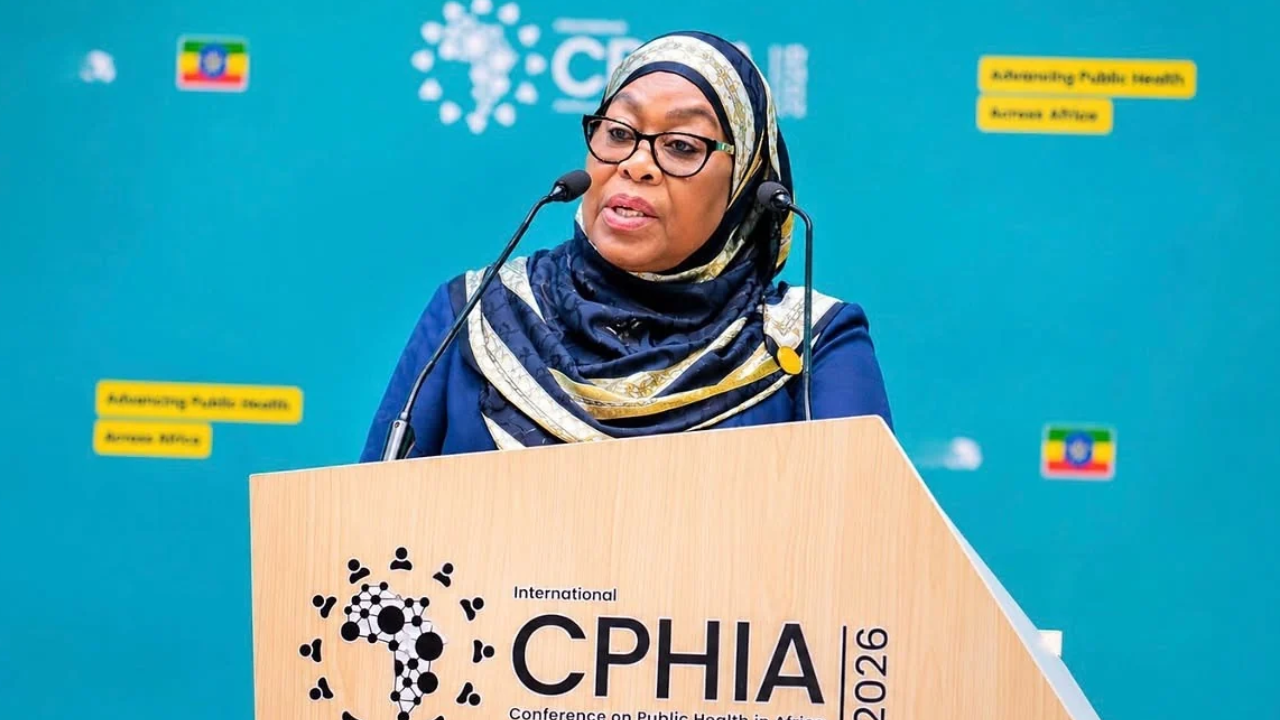
Opening the 28th annual conference of the Electoral Commissions Forum of SADC Countries (ECF-SADC), Nchemba said electoral bodies should strengthen their communication and prepare for the opportunities and risks associated with artificial intelligence. He represented President Samia Suluhu Hassan at the two-day meeting, scheduled for November 23 and 24, 2026.
“The best way to use social media is through transparency in access to information, so that when people share information, they share what is accurate,” Nchemba said.
“If they do not get accurate information, they spread rumours,” he added, explaining that false information reaching audiences first or circulating more widely could damage confidence in electoral institutions and the electoral process.
The conference’s theme centres on election management and social media, including the responsibilities of electoral commissions in the Southern African Development Community.
Nchemba described digital platforms as important sources of information, particularly for young people, and said commissions should ensure reliable information reaches users before they share it.
He also emphasised their potential to support voter education, registration information and public participation. These channels could help electoral bodies reach women, young people, people with disabilities and pastoralist communities, he said.
“I urge you to continue building your capacity in artificial intelligence, which continues to grow and changes every day,” Nchemba told delegates, calling for strategies addressing its risks while taking advantage of its potential benefits.
Justice Jacobs Mwambegele, chairperson of Tanzania’s Independent National Electoral Commission (INEC), said the meeting brought together more than 108 participants from 15 electoral commissions in 14 countries. Delegates included commission chairpersons, commissioners, chief executives and senior officials.
He said their principal task was to exchange experience, assess achievements and difficulties, and develop common strategies to improve electoral administration. The programme also included electing the forum’s leadership and considering resolutions on its members’ work.
Mwambegele described the forum, established on July 27, 1998, as an important contributor to stronger electoral systems and democratic development in the region. Tanzania has participated since its establishment, he said.
Mixed record
The discussions come against a mixed continental record, with independent research showing strong demand for elections alongside limited confidence in the institutions administering them.
READ MORE: Zanzibar Electoral Body’s Plan to Destroy Ballot Papers Ignites Legal Firestorm
An Afrobarometer assessment published in February 2026, drawing on surveys conducted in 2024 and 2025, found that 74 per cent of respondents across 38 African countries supported regular, open and honest elections.
However, only 38 per cent trusted their electoral management body “somewhat” or “a lot” across the 37 countries where that question was asked, while 19 per cent across the wider survey reported fearing campaign intimidation or violence.
Tanzania recorded the highest trust in its electoral commission, at 79 per cent, but those interviews were conducted in August and September 2024. The survey finding therefore predates the disputed October 2025 general election and does not measure public confidence following it.
Afrobarometer recommends strengthening electoral bodies’ credibility, safeguarding political freedoms and ensuring elected leaders respond to voters and remain accountable to them.
International IDEA’s 2026 Global State of Democracy report identifies Tanzania as a case of declining electoral credibility, citing restrictions on opposition activity, the election-period internet shutdown and violence.
The report also records improvements in credible elections in five African countries between 2020 and 2025, accounting for five of the 11 countries showing advances globally.
READ MORE: ‘Flawed Process’: ACT Wazalendo Takes Electoral Commission to Court Over Special Seat Allocation
The African Union observer mission’s November 5, 2025 preliminary assessment concluded that Tanzania’s election did not meet AU democratic standards. While commending registration and inclusion efforts, the mission reported ballot stuffing at several polling stations and observers being removed before counting was completed.
The mission also raised concerns about limited political competition, including ACT Wazalendo presidential candidate Luhaga Mpina’s disqualification. CHADEMA, the main opposition party, was also systematically excluded from the election, as documented in a 2026 study published by the Electoral Institute for Sustainable Democracy in Africa.
Its 72 observers visited 352 polling stations across 17 regions, although violence and the internet shutdown constrained their work. The separate SADC observer mission’s preliminary statement also tentatively concluded that the election fell short of regional principles, noting that observers were largely unable to monitor closing and counting.
Institutional independence
The concerns extend beyond communication to institutional independence, meaningful competition and remedies when electoral decisions are disputed.
The AU mission recommended independent selection of commissioners and protection of political freedoms, while SADC urged inclusive constitutional review, judicial scrutiny of electoral decisions, presidential election petitions and nomination procedures that avoid excluding contestants.
The 2024 INEC Act declares the commission autonomous and independent, while retaining presidential appointment of all seven commissioners through a nomination process.
READ MORE: National Electoral Commission Revises 2025 Voter Figures Amid Scrutiny
The nomination committee comprises the Union and Zanzibar chief justices, the chairperson and vice-chairperson of the national human-rights commission, and one additional presidential appointee.
The constitutional prohibition on challenging a declared presidential winner remains another reform issue. The African Court on March 6, 2026, ordered amendment of Article 41(7) within one year, a reform order rather than an automatic repeal of the domestic restriction.
Digital safeguards also require more than correcting misleading posts. An October 2026 policy paper jointly published by International IDEA and ECF-SADC recommends independent system audits, protection of voter data and human oversight of consequential AI decisions, alongside cybersecurity investment and accessible, multilingual voter information.
The paper also calls for paper backups so voting and counting can continue if digital systems fail, and clear channels for challenging automated decisions. These recommendations address both the reliability of information reaching voters and the accountability of technology used by electoral bodies themselves.
Nchemba urged the forum’s incoming leaders to carry out their responsibilities according to the law and support democratic development. He also called on development partners to continue supporting efforts to strengthen democratic electoral systems across the region.