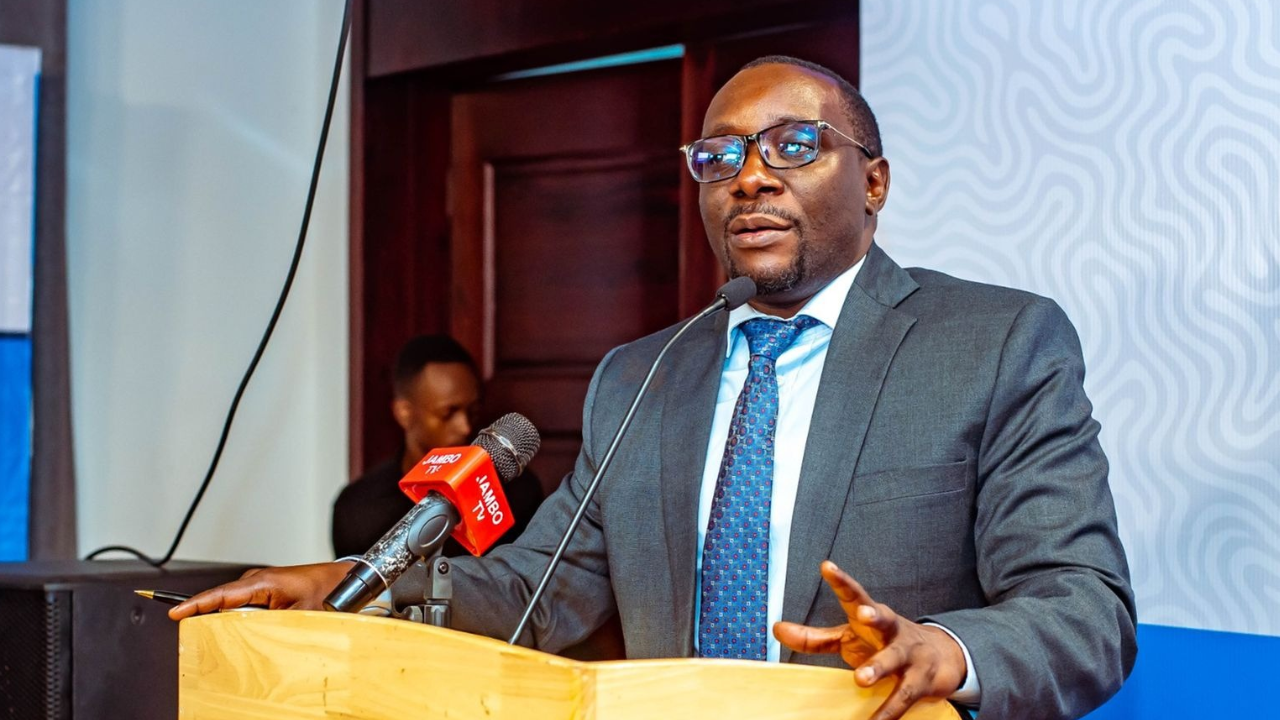

Dar es Salaam – Vice-President Deogratius Ndejembi has directed officials administering Sh200 billion in youth empowerment financing to prevent favouritism and discrimination, while requiring government institutions to demonstrate how their programmes improve young people’s employment and incomes.
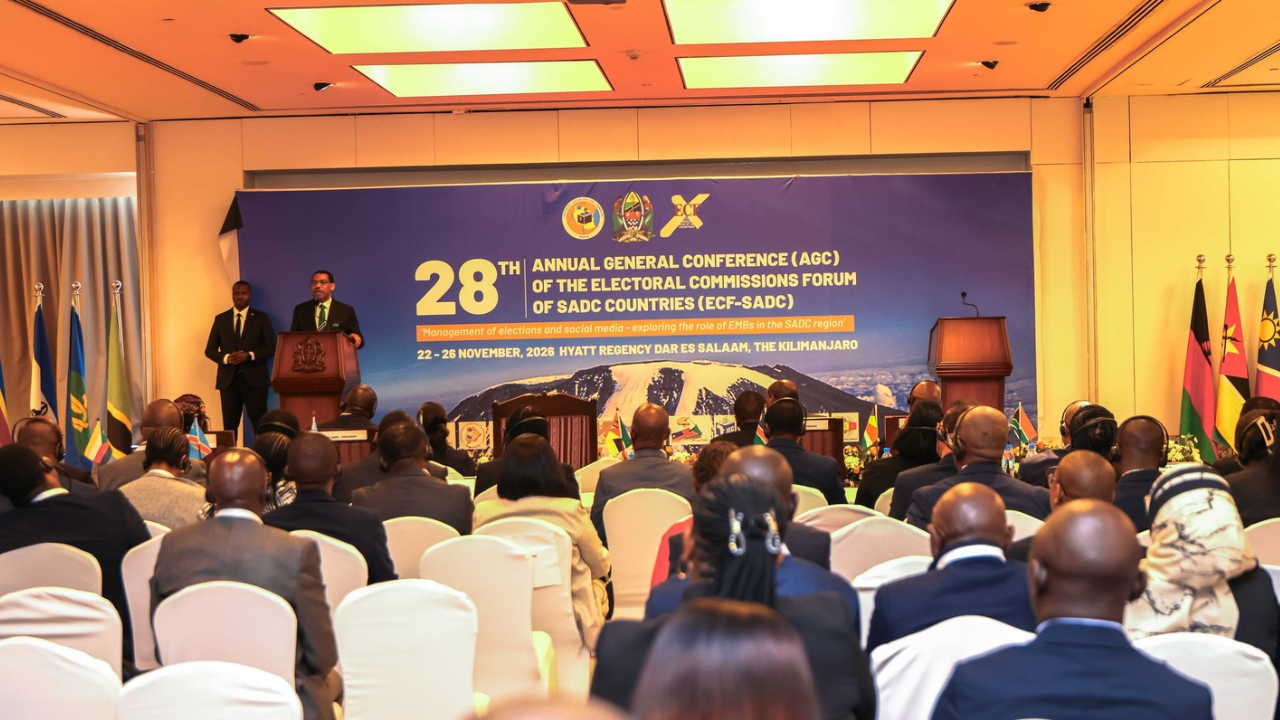
He spoke at a review of the first year’s work of the President’s Office responsible for Youth Development, held at the Super Dome in Masaki, Dar es Salaam, on November 23, 2026. His directives covered access to capital, practical training, public procurement and opportunities arising from major infrastructure projects.
“These youth empowerment funds must not be distributed on the basis of personal connections,” Ndejembi said, also prohibiting discrimination between urban and rural applicants, men and women, or against young people with disabilities.
He said institutions providing support should connect young people not only with capital, but also with production space, equipment, expertise and markets. Monitoring should establish which businesses are being created or growing and how many jobs financing produces, rather than concentrate on the speed of loan disbursement.
The Sh200 billion financing initiative was announced in February 2026, targeting youth and women in activities including agriculture, fisheries, the arts and start-ups. At its introduction, Prime Minister Mwigulu Nchemba warned against funds reaching fictitious groups and emphasised results rather than simply distributing the allocation.
Ndejembi extended that approach to ministries and institutions implementing major government projects, saying they should report how many young people gain skills, work, business support or higher incomes from the investments.
READ MORE: Tanzania Ranks 25th of 56 in Commonwealth Youth AI Readiness, New Index Finds
“We do not want major projects to be built while young people in the surrounding areas remain spectators,” he said.
Training should reflect local economic opportunities, he added, citing grape processing in Dodoma, fisheries and cotton-related activities in Mwanza, and cashews in Mtwara. He urged education institutions to equip young people with skills they could use in their home communities.
On practical training, Ndejembi said public institutions had committed approximately 600 placements, with internal coordination being completed before opportunities were advertised. These form part of targets he set on September 28 for at least 10,000 placements in public organisations and another 20,000 through the private sector.
The government would begin with available placements rather than wait until the entire public-sector target was secured, he said. Discussions were also continuing with banks, including NMB, CRDB and the Tanzania Agricultural Development Bank, over private-sector participation.
The 2025 Integrated Labour Force Survey, covering Mainland Tanzania and Zanzibar, recorded unemployment of 7.5 per cent among economically active young people aged 15–35. Informal employment accounted for 95.7 per cent of total employment among people aged 15 and above, underscoring that the employment challenge extends beyond finding work to its conditions and protection.
Ndejembi directed education and training institutions to collaborate with private employers on curricula and practical learning. Support should also reach young people outside formal education, according to the activities they undertake.
READ MORE: The Youth Business: How Gerontocrats and ‘Professional Youths’ Block Real Young People
He also told public institutions and councils to pay young suppliers on time and ensure funds were available when awarding contracts. He said the Public Procurement Regulatory Authority had reported approximately Sh50 billion in government tenders benefiting youth groups during the current financial year.
Giving an example of a young supplier waiting 18 months for payment after completing a contract, he said: “You have not helped that young person; you have harmed them.”
Another priority was preparing young people for opportunities associated with the 2027 Africa Cup of Nations, which Tanzania will co-host with Kenya and Uganda. Ndejembi urged the Tanzania Football Federation, vocational colleges and relevant ministries to develop short courses in services needed by visiting supporters, including hospitality, tourism and foreign languages.
He suggested French and Portuguese training and said preparations should begin before the tournament. Although temporary tournament work might not provide permanent employment or substantial pay, the skills acquired could remain useful afterwards, he said.
Ndejembi also said work had begun with the Chief Secretary and the ministry responsible for industry and trade to identify a building in Dar es Salaam for a start-up hub. The proposed facility would provide internet access and space for innovators to meet, with financial institutions involved in supporting enterprise development.
During the event, he launched the electronic Youth Empowerment System, known as YES, and a publication setting out the national framework for coordinating youth affairs.
READ MORE: The Unstoppable Hustle of Arusha’s Youth
He said ministries, public institutions and local authorities should include youth development in their budgets, specifying intended beneficiaries and expected results. Long-term ambitions under Development Vision 2050 should not postpone action on immediate needs, he added.
“They need jobs today, they need capital today, they need better services today,” Ndejembi said. “We cannot tell them to wait until 2050.”